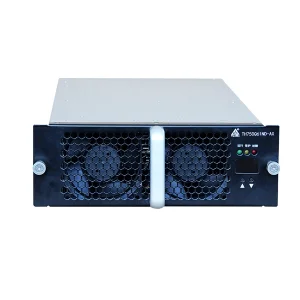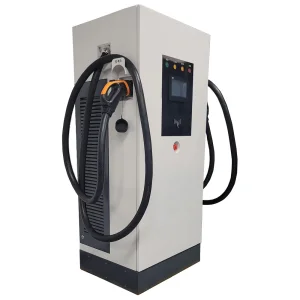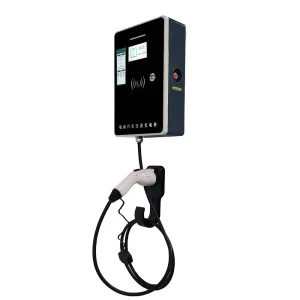
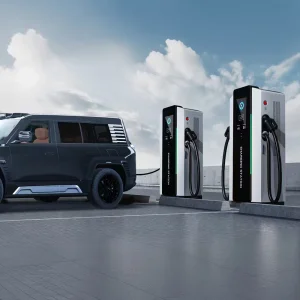
Engineered to integrate seamlessly into residential, public, and fleet charging sites across Rwanda.
Rwanda has positioned itself as one of the most proactive nations in Sub-Saharan Africa implementing electric vehicle policies. In alignment with Kigali’s Vision 2050 and the National Strategy for Transformation (NST1), the government has introduced sweeping fiscal incentives. These include zero-rating import duties on electric cars, charging station equipment, and raw components, alongside preferential tariffs for commercial charging electricity.
This policy shift has triggered a surge in demand for reliable EVSE infrastructure. E-mobility platforms targeting two-wheelers, three-wheelers, and commercial buses (e.g., e-moto battery swapping networks, city transit buses in Kigali) require reliable and localized charging technology.
However, deployment faces specific grid environments: Rwanda operates on a 230V single-phase / 400V three-phase grid at 50Hz. Ambient conditions require robust electrical enclosures. Equipment must withstand dry-season dust, high humidity during seasonal rains, and elevated altitudes. Sockets, modules, and full charging piles must be configured to withstand regional voltage drops and power surges.
Consult Our Technical EngineersReady to deploy under Rwanda's 400V three-phase system. Sockets utilize IEC Type 2 standards compatible with public networks.
Custom commercial invoices provided to streamline custom clearing under Rwanda’s zero-tariff import laws for EVSE hardware.
Our stations and internal modules feature IP54 and IP65 protections, preventing silicon failures from dust intrusion.
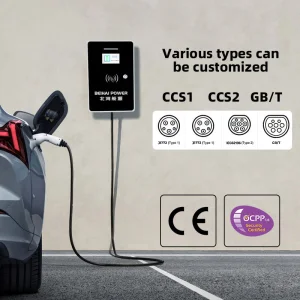
All commercial-grade units feature active OCPP 1.6J/2.0.1 compliance, facilitating local telecom back-end software management.
High-durability hardware configured to sustain repetitive commercial charge cycles under diverse ambient parameters.
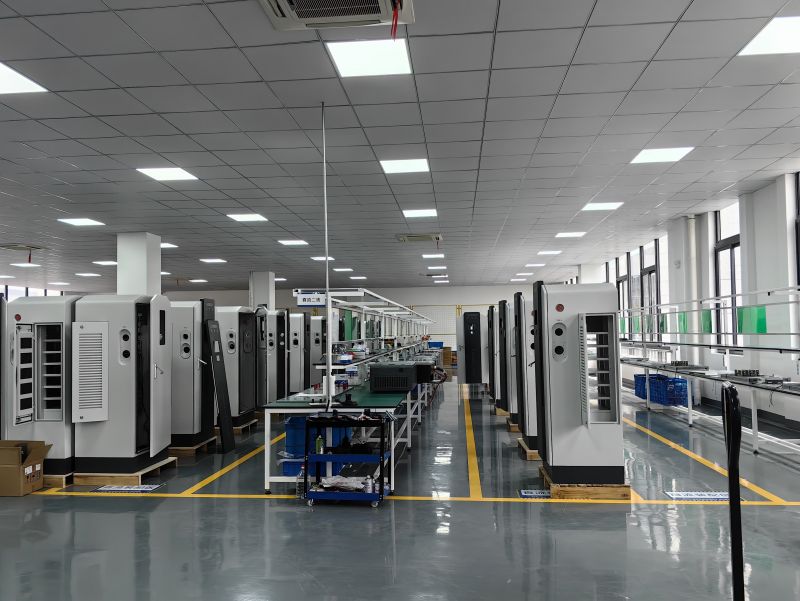
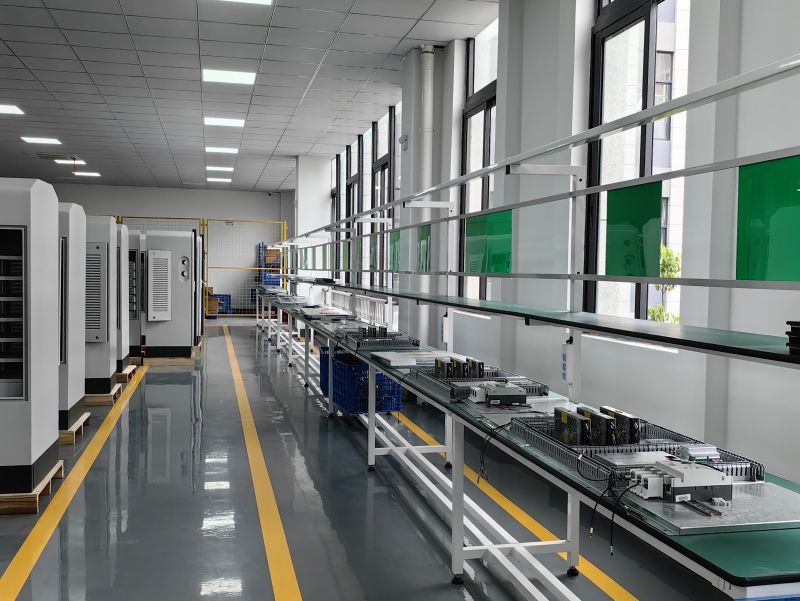
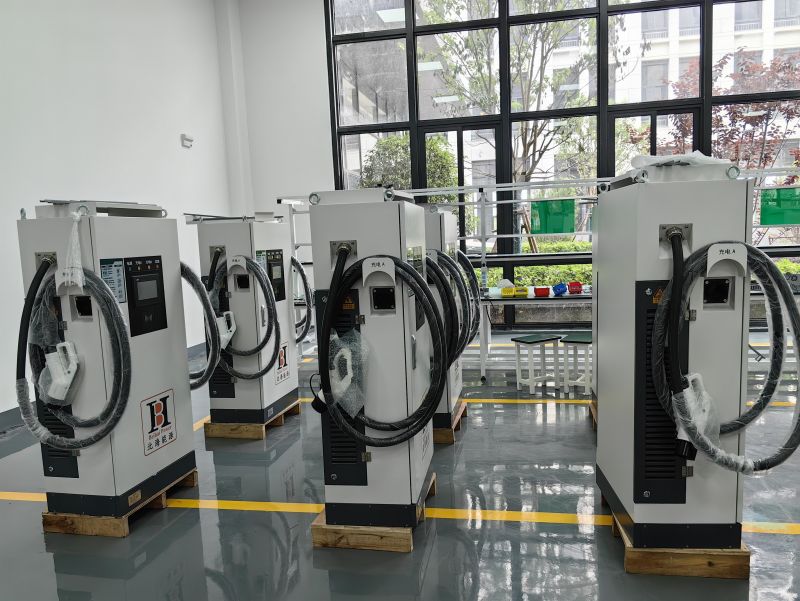
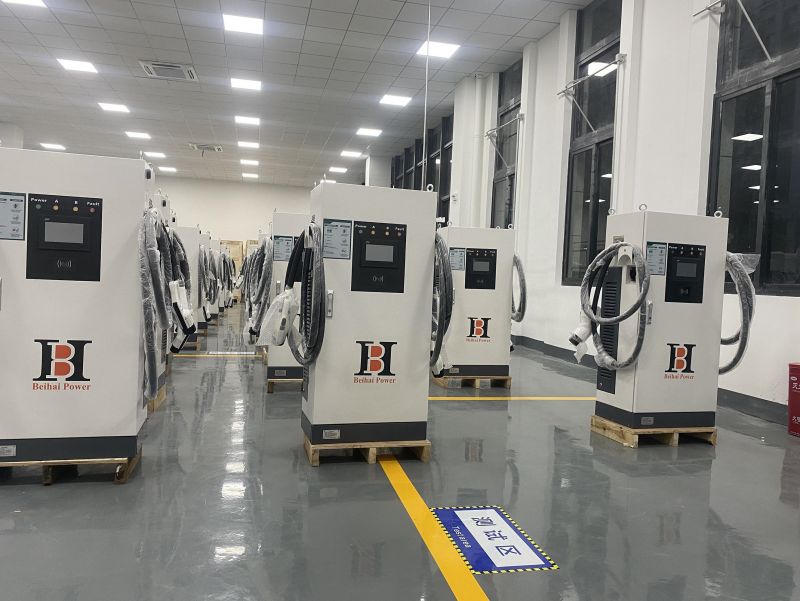
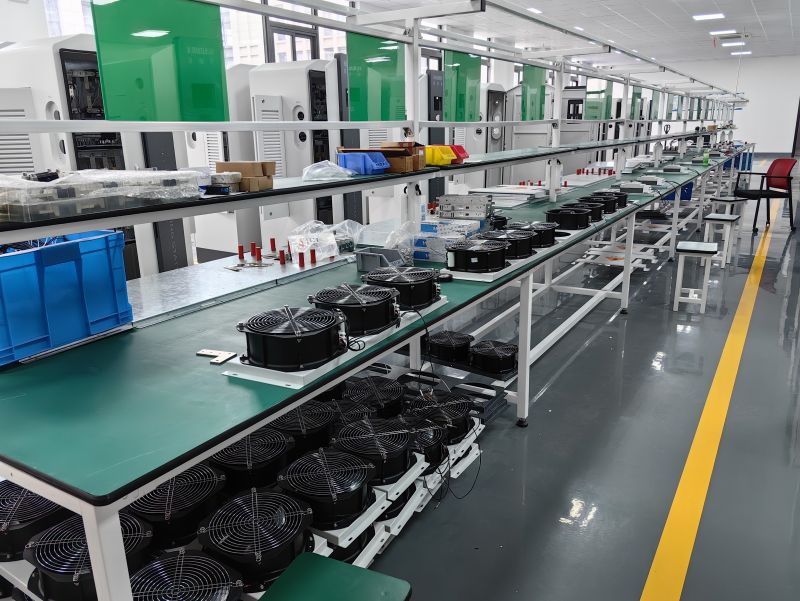
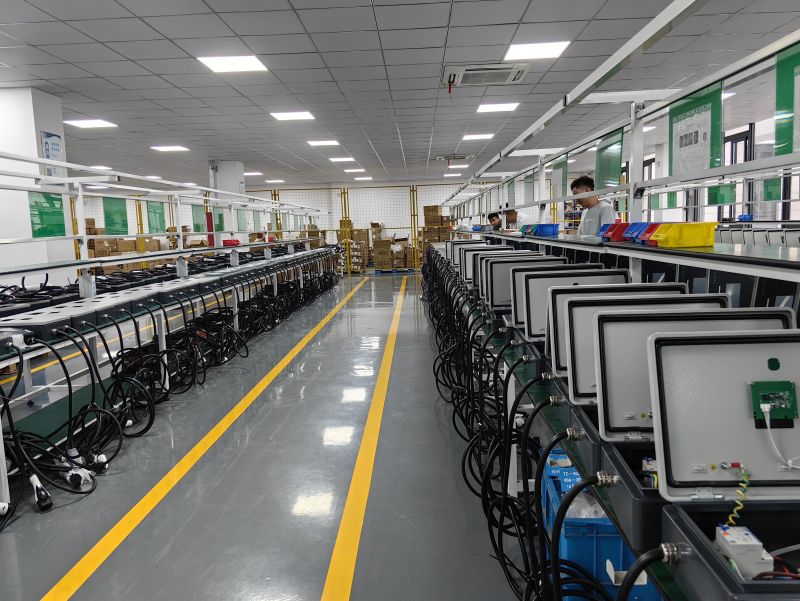
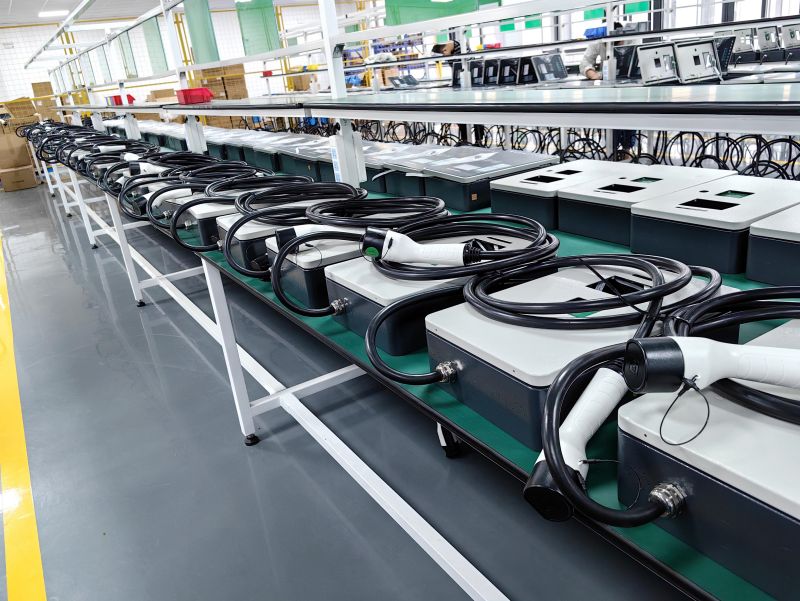
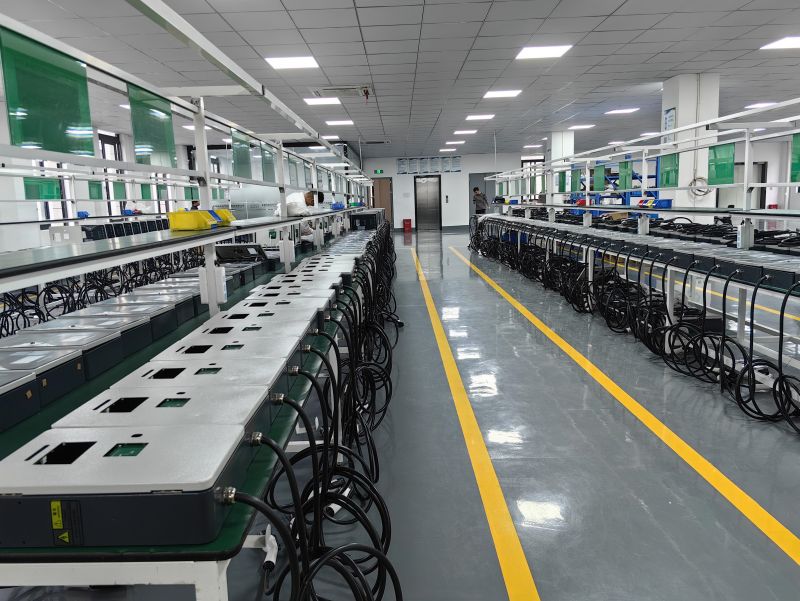
By partnering directly with Beihai Power, Rwandan EV system integrators, municipal planners, and logistics companies bypass standard distributor markups. Our integrated production facilities optimize costs across the entire supply chain.
Beihai Power (China Beihai Power Co., Ltd.) is a specialized manufacturer dedicated to the innovation of DC fast-charging technology and smart AC charging systems. We bridge the gap between complex energy requirements and reliable infrastructure delivery for governments and commercial clients across Central Asia, Southeast Asia, the Middle East, Europe, Africa, South America, and North America.
Our core mission is to solve the critical challenges of charging speed, system reliability, and grid integration. By focusing on the performance of our integrated charging modules, we provide high-efficiency power solutions that ensure faster, safer, and more stable energy transfer for large-scale vehicle infrastructure projects.
Specialized power electronics engineers optimizing thermal and switching efficiencies.
Strict testing including multi-hour loading cycles, safety inspections, and environmental chambers.

Precision CNC laser cutting systems cut structural alloys to specific tolerances.
Heavy-duty sheet metal folding, welding, and painting for robust cabinets.
Advanced SMT and PCB processing of internal power control modules.
System wiring, integrating relays, RCD sensors, and controllers.
Full Unit Functional Testing (FVT) and high-load test chambers.
Configuring robust charging setups for local commercial infrastructure, hotels, and fleet centers.
Electric motorbikes dominate Kigali’s transit. High-utilization depots require rapid DC chargers (30KW to 60KW) paired with modular power cards to feed multi-bay battery swap racks safely without thermal overload.
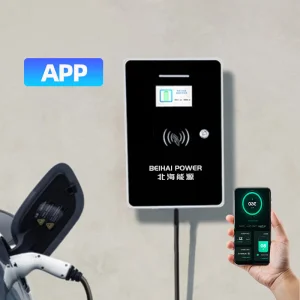
Hotels and shopping centers in Kigali Heights and downtown hubs deploy wall-mounted 7KW & 22KW AC smart chargers. Integrations with OCPP and card systems allow simplified billing structures for guests.
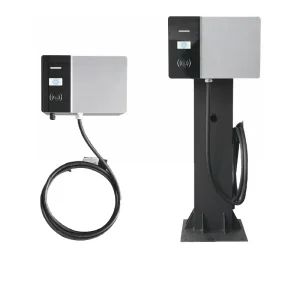
Connecting Kigali with Musanze, Rubavu, or Eastern Province sectors demands high-output floor-mounted 120KW to 240KW DC fast chargers to enable reliable intercity electric passenger vehicle travel.
Our hardware is verified to meet safety and grid protection metrics under major global electrical commissions.
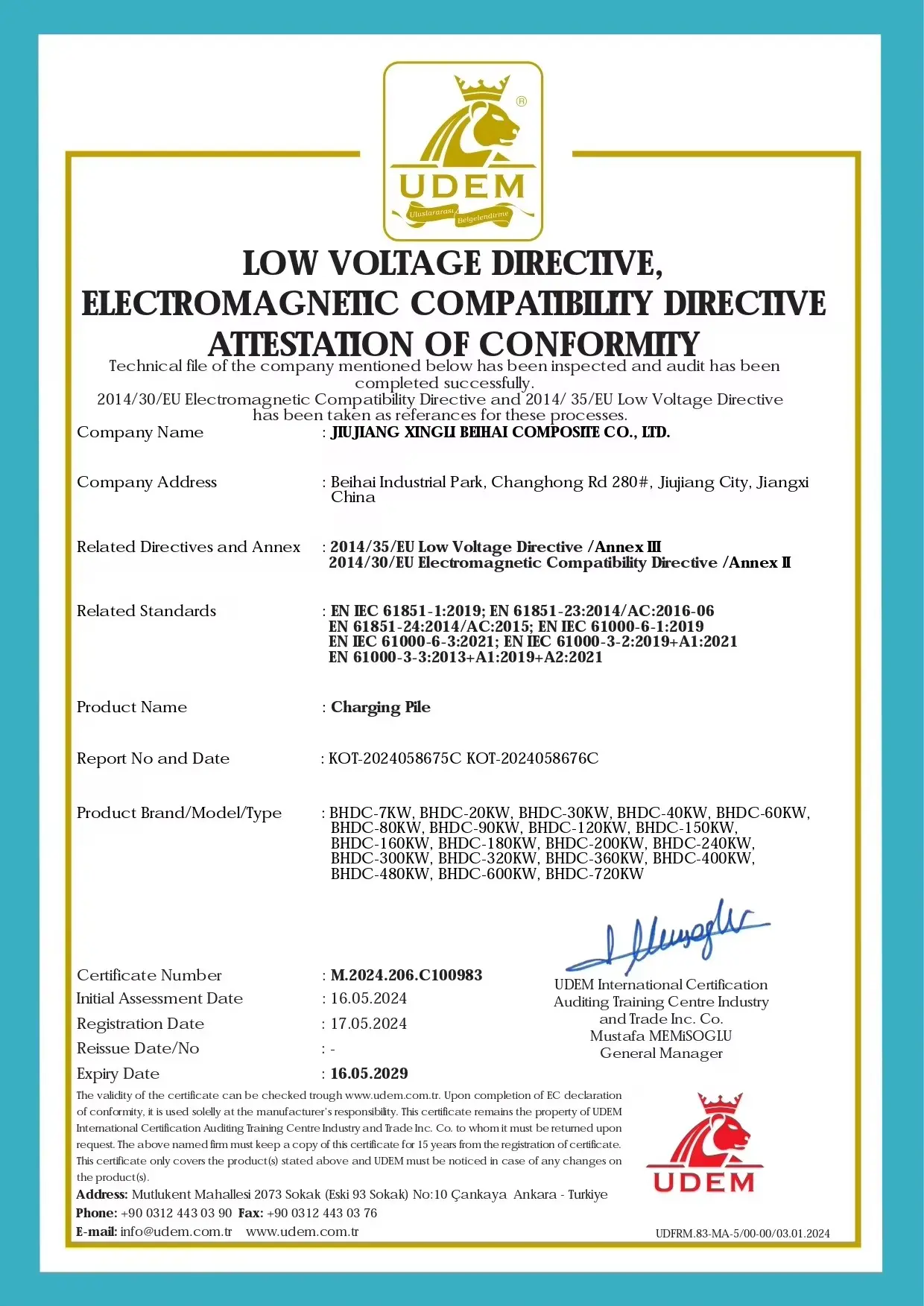
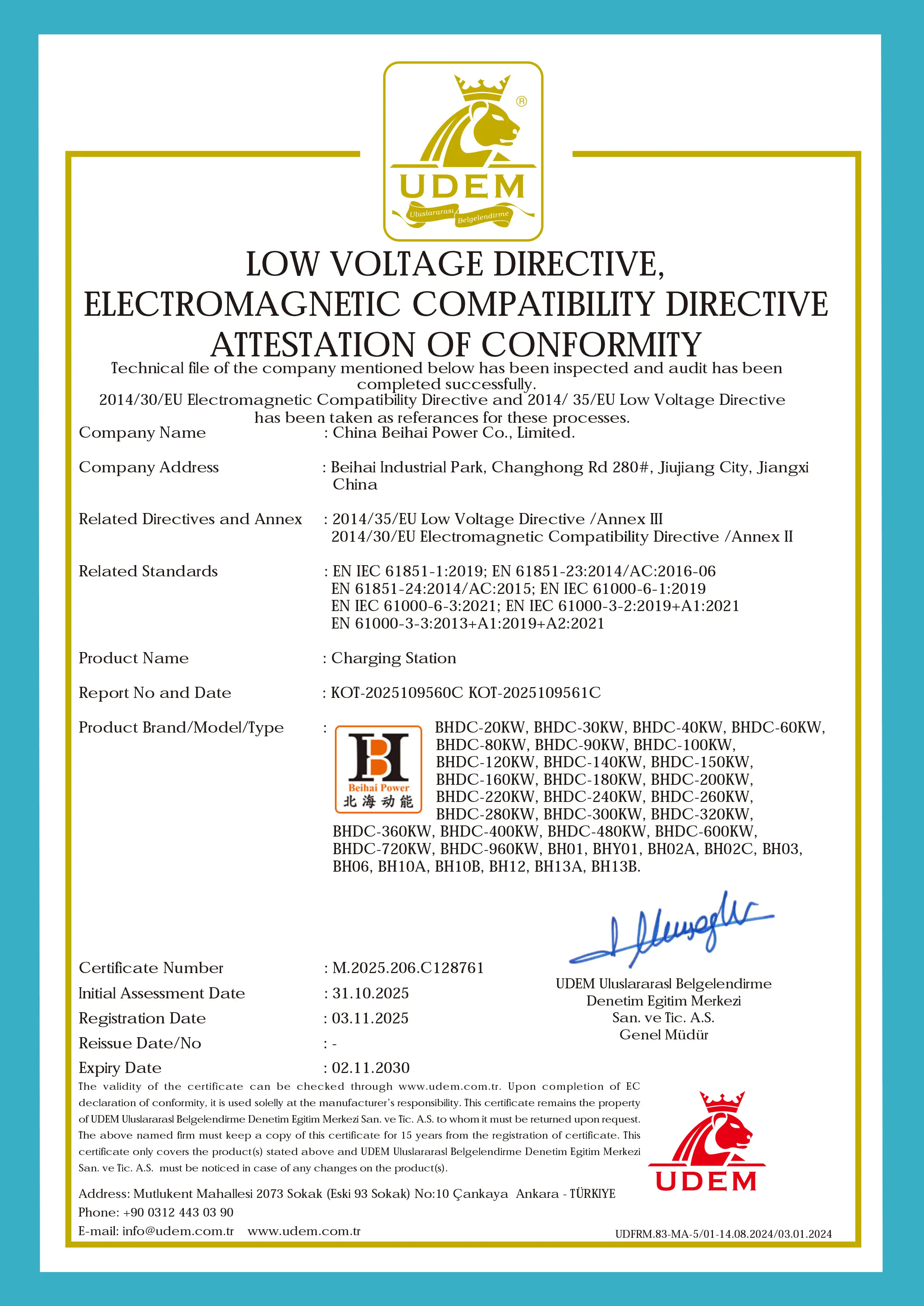
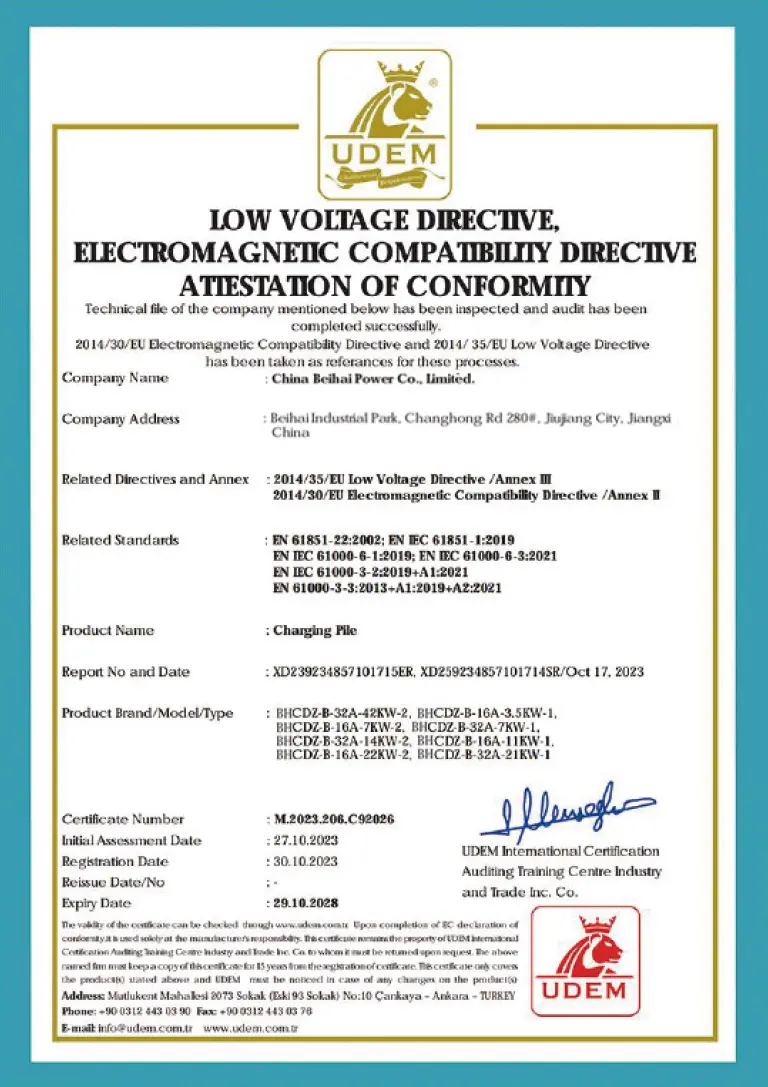

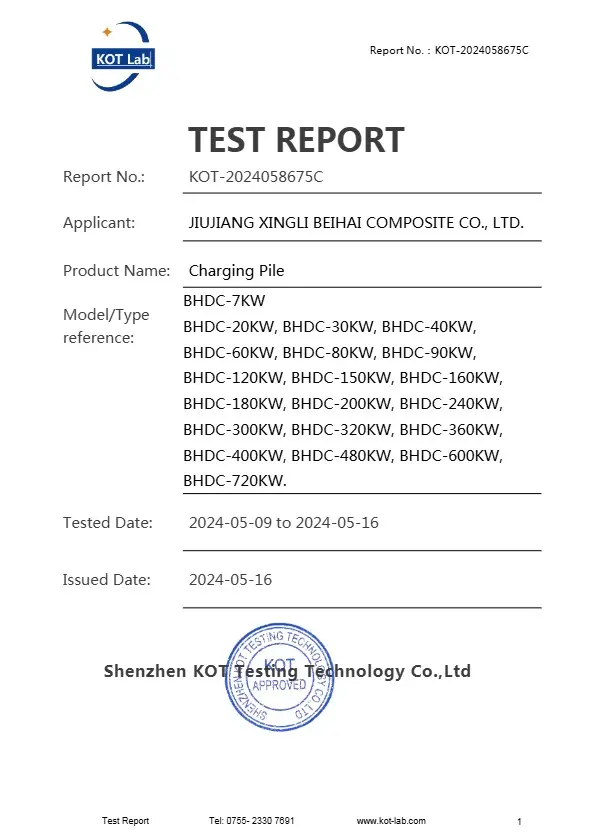
We deliver reliable energy distribution structures built on high-power efficiency and custom options.
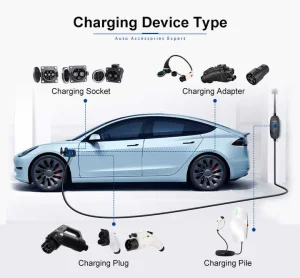
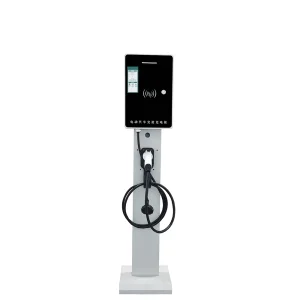
Select from our certified range of home smart chargers, high-power DC columns, and fleet terminals.
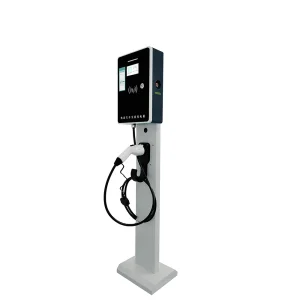
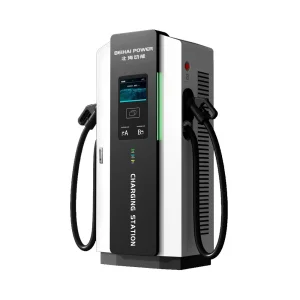
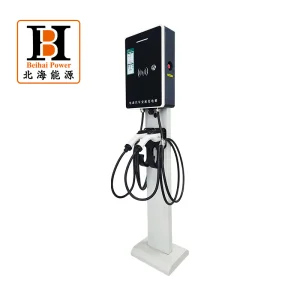
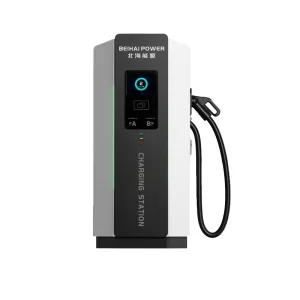
Find expert answers to common queries regarding electrical configurations, import benefits, and custom options.
In Rwanda, the prevailing connection standard for public and light passenger vehicle AC systems is the IEC 62196 Type 2 standard. For high-speed DC charging stations, networks generally deploy CCS2 (Combined Charging System 2), which aligns with European vehicle designs. However, for Chinese import vehicles, GB/T AC/DC configurations are also widely in demand. At Beihai Power, we supply stations and components with modular configurations supporting CCS1, CCS2, Type 2, and GB/T standards.
Our hardware features specialized wide-input voltage tolerance. Our DC chargers and internal charging modules operate stably under typical regional voltage fluctuations (e.g., within 260V to 480V input ranges). Furthermore, they feature multi-stage surge protections, over-voltage/under-voltage cut-offs, and leakage monitors to protect vehicle batteries during transient events.
Yes, Rwanda's Council of Ministers approved a comprehensive strategy declaring zero-rating of import duties and Value Added Tax (VAT) on electric vehicles, hybrid vehicles, and raw electric vehicle charging components/accessories. This includes complete charging piles, internal electronic control panels, and connectors. We support our Rwandan importers by providing correctly structured, detailed HS-code invoices and technical spec sheets to ease customs verification.
Ocean freight shipments typically dispatch from major ports like Ningbo or Shanghai. Shipments route through the Indian Ocean to either Dar es Salaam (Tanzania) or Mombasa (Kenya). Transit on water takes approximately 25 to 30 days. From there, cargo is transported overland via road corridors to Kigali, requiring another 7 to 12 days including customs transit clearance. The total door-to-port duration averages 35 to 45 days. We also offer air freight services for high-priority projects or sample component batches.
Yes, all Beihai Power commercial charging systems feature standard integration for OCPP 1.6J and OCPP 2.0.1 protocols. This enables easy connection to third-party management software, payment systems, and billing solutions used by network operators in Kigali and elsewhere in East Africa.
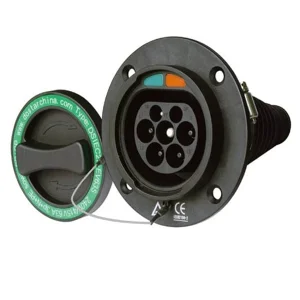
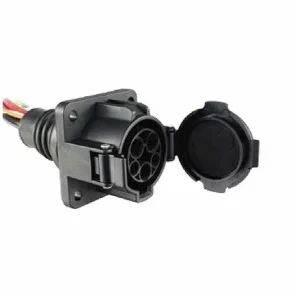
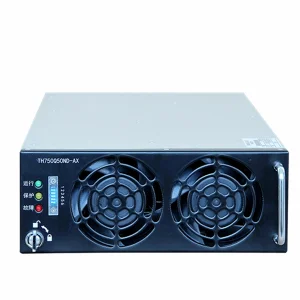
Yes, we support localized industrial projects. We supply individual components such as high-efficiency 30KW / 40KW power modules, Type 2 and J1772 inlet sockets, control boards, and sheet metal parts. This allows Rwandan engineers and manufacturing plants to assemble final chargers locally, reducing transport costs and supporting local manufacturing capabilities.