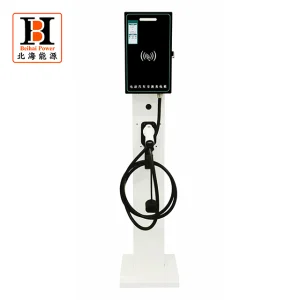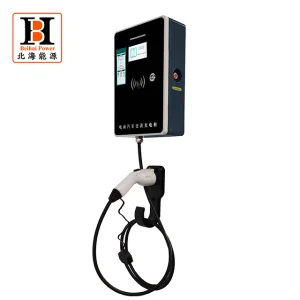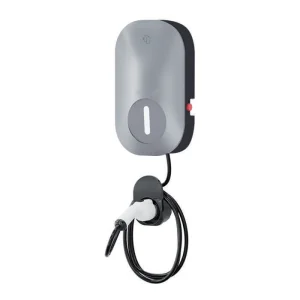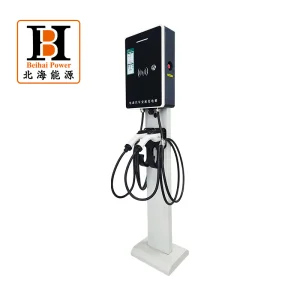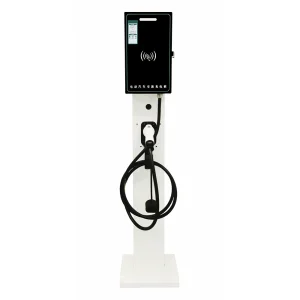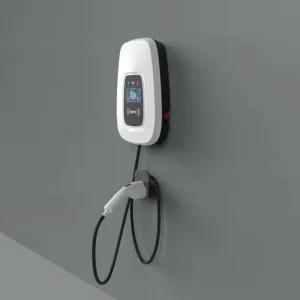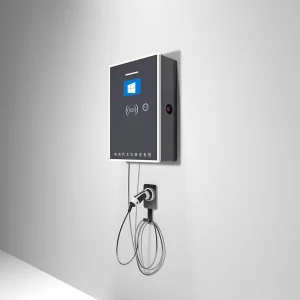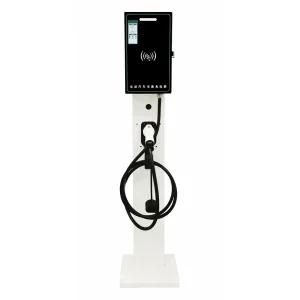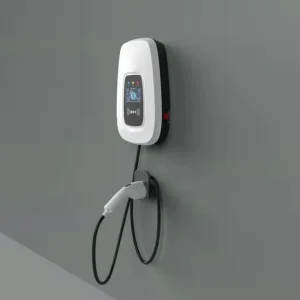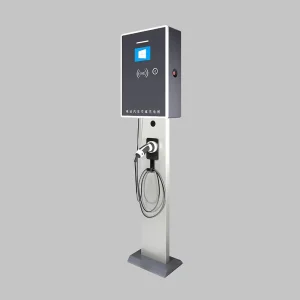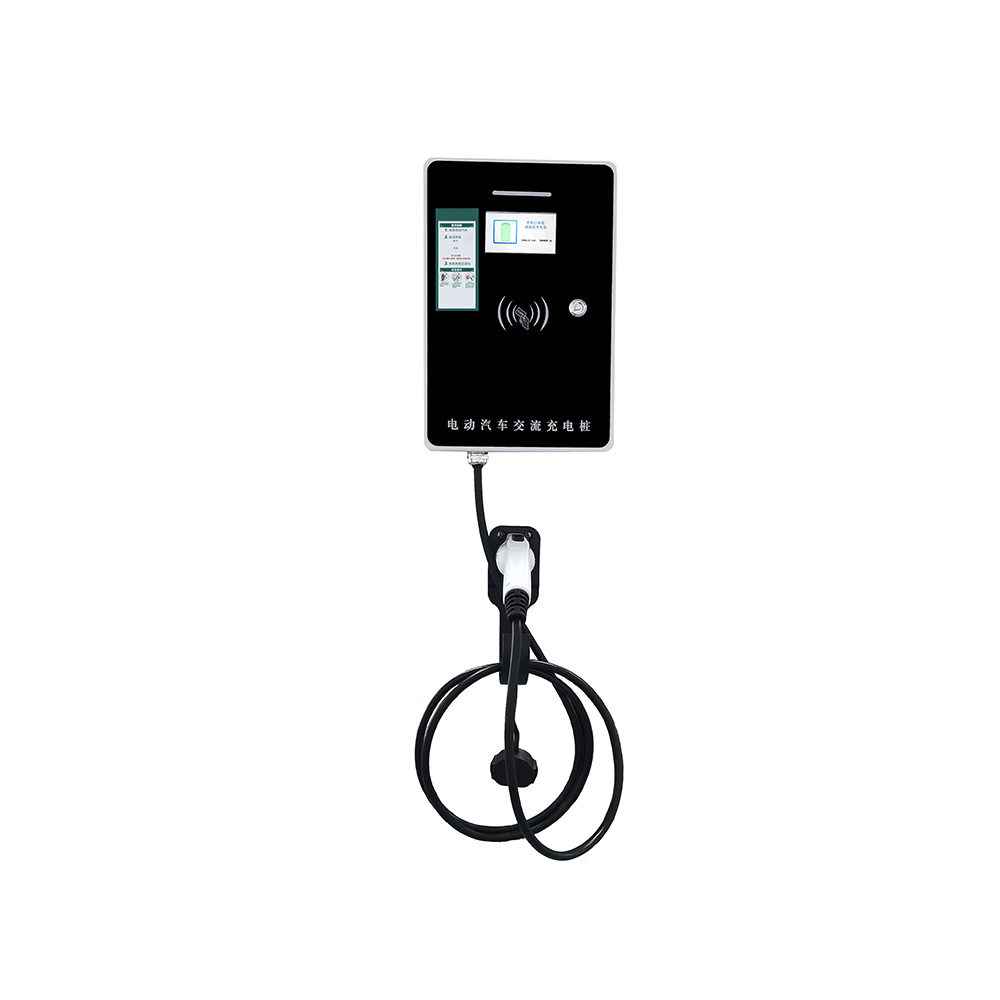
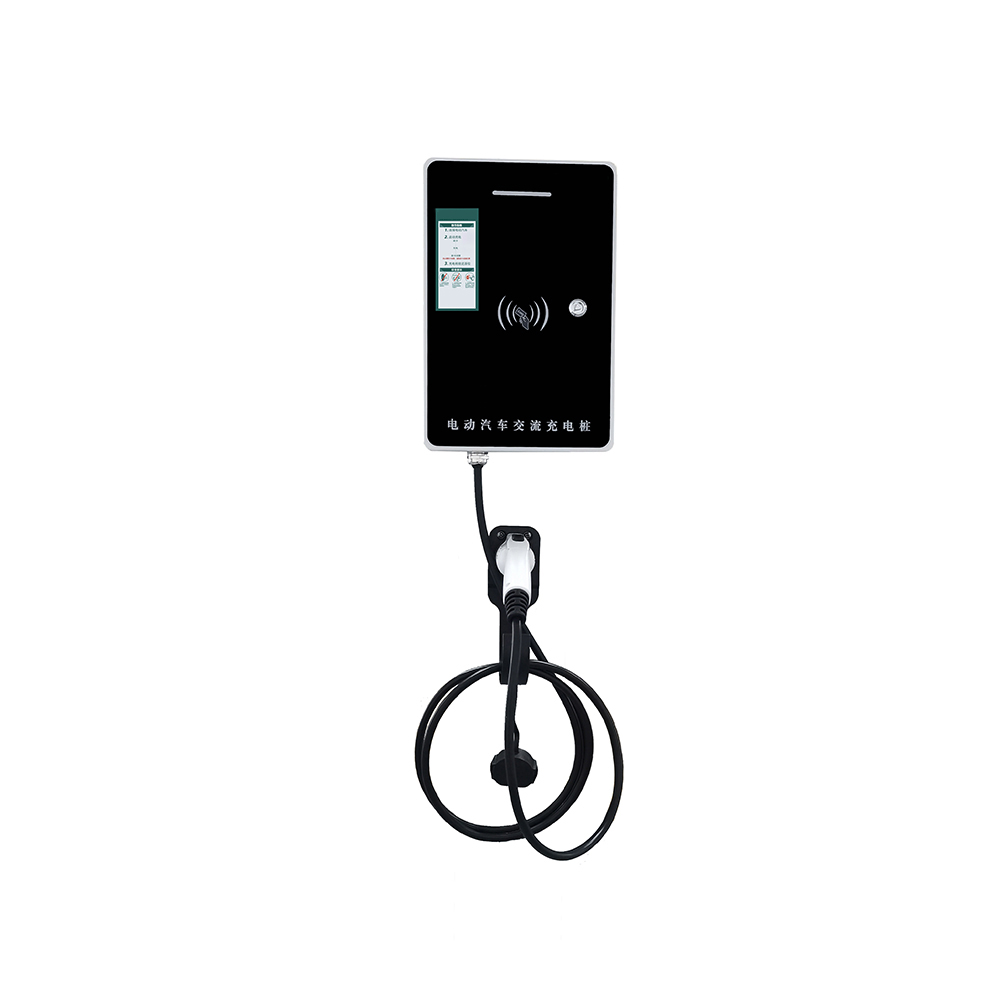
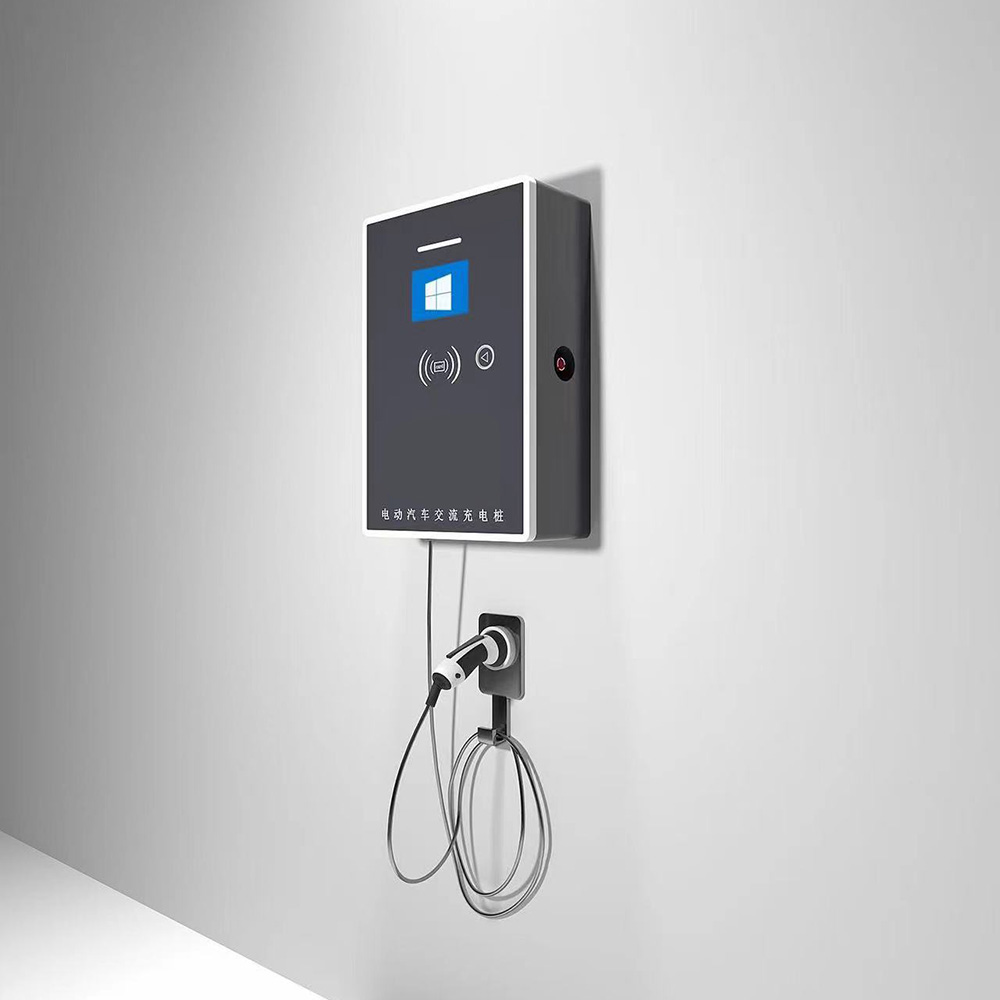
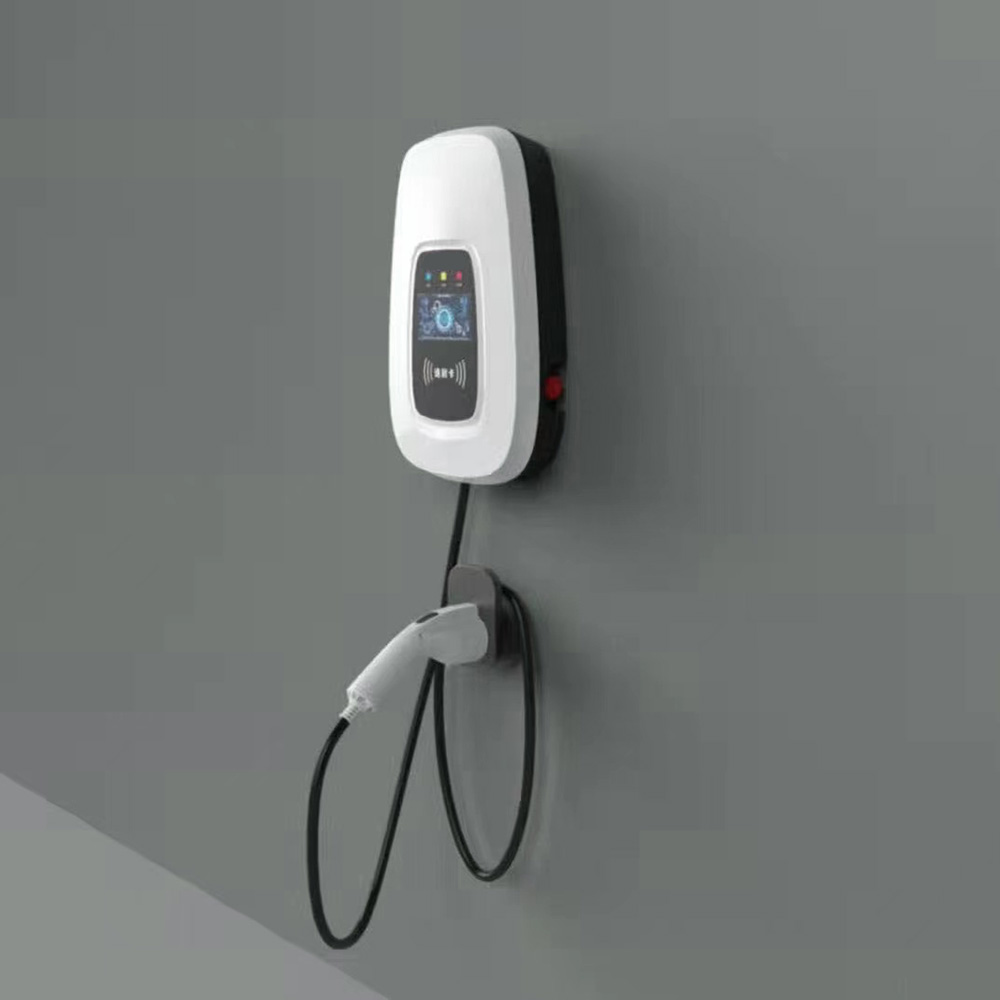
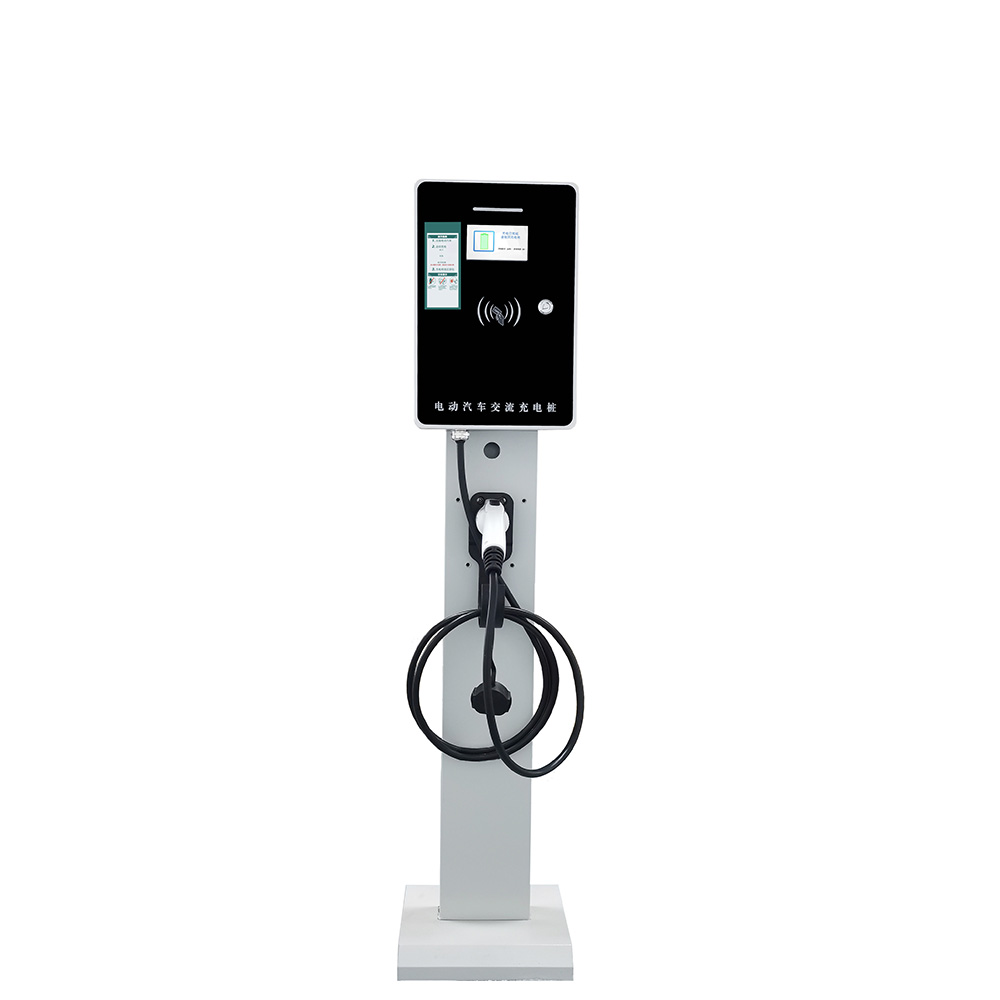

Wholesale National Standard Wall-Mounted Household 7kw 220V AC Electric Car Charger Type2 EV Fast Charging Station Manufacturer, Factories

AC charging pile is a kind of charging equipment designed for electric vehicles, mainly by providing stable AC power to the on-board charger on the electric vehicle, and then realising the slow-speed charging of electric vehicles. This charging method occupies an important position in the market for its economy and convenience. The technology and structure of AC charging Stations are relatively simple and the manufacturing cost is low, so the price is affordable and suitable for wide application in residential districts, commercial car parks, public places and other scenarios. It not only meets the daily charging needs of electric vehicle users, but also provides value-added services for car parks and other venues, enhancing user experience.

Product Description

📋 Product Description

AC charging post, also known as a slow charger, is a device designed to provide charging services for electric vehicles. The AC charging post itself does not have a direct charging function; instead, it needs to be connected to an on-board charging machine (OBC) on the electric vehicle, which converts the AC power into DC power, and then charges the battery of the electric vehicle.

Due to the low power of OBCs, the charging speed of AC chargers is relatively slow. Generally speaking, it takes 6 to 9 hours or even longer to charge an electric vehicle (with a normal battery capacity). AC charging piles are simple in technology and structure, with relatively low installation costs and a variety of types to choose from, such as portable, wall-mounted and floor-mounted, etc., which are suitable for different scenarios and the price of AC charging piles is relatively more affordable, with the price of ordinary household models generally not being too high.

AC charging posts are more suitable for installation in car parks in residential areas, as the charging time is longer and suitable for night-time charging. In addition, some commercial car parks, office buildings and public places will also install AC charging piles to meet the charging needs of different users. Although the charging speed of AC charging station is relatively slow and it takes a long time to fully charge the battery of an electric vehicle, this does not affect its advantages in home charging and long-time parking charging scenarios. Owners can park their EVs near the charging post at night or during their free time to charge, which does not affect daily use and can make full use of the grid’s low hours for charging, reducing charging costs.
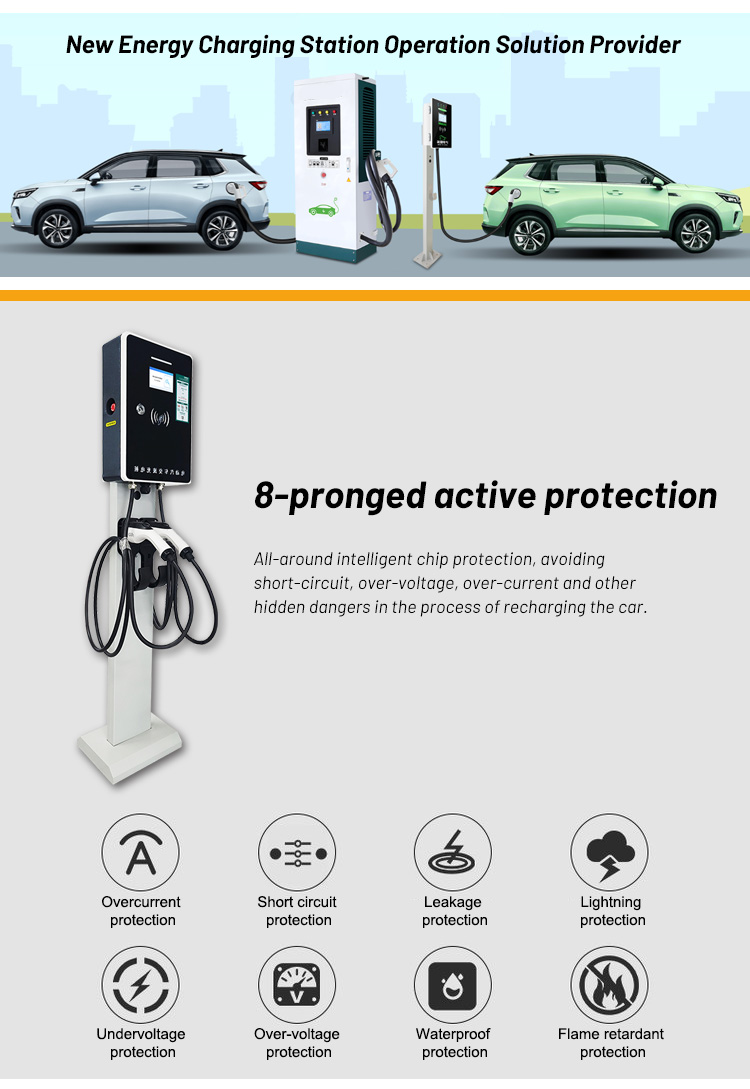
advantage
Product Parameters
7KW AC (wall and floor) charging Station
unit type BHAC-7KW
technical parameters
AC input Voltage range (V) 220±15%
Frequency range (Hz) 45~66
AC output Voltage range (V) 220
Output Power (KW) 7KW
Maximum current (A) 32
Charging interface 1/2
Configure Protection Information Operation Instruction Power,Charge,Fault
machine display No/4.3-inch display
Charging operation Swipe the card or scan the code
Metering mode Hourly rate
Communication Ethernet(Standard Communication Protocol)
Heat dissipation control Natural Cooling
Protection level IP65
Leakage protection(mA) 30
Equipment Other Information Reliability (MTBF) 50000
Size (W*D*H) mm 270*110*1365 (floor) / 270*110*400 (Wall)
Installation mode Landing type / Wall mounted type
Routing mode Up (down) into line
Product Feature
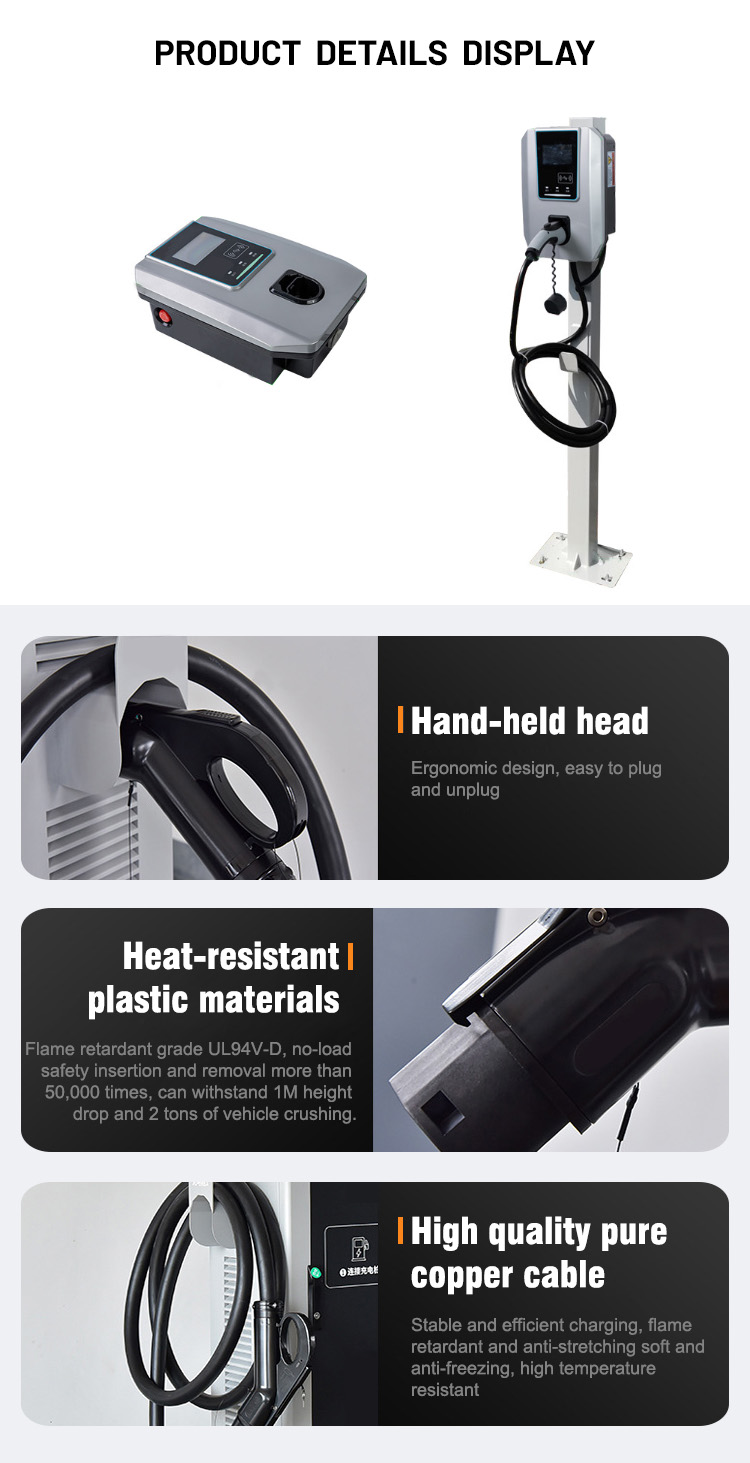
PRODUCT DETAILS DISPLAY

Compared with DC charging pile (fast charging), AC charging pile has the following significant features:

  • Smaller power, flexible installation: The power is generally smaller (3.3 kW to 7 kW), making installation adaptable to various scenes.
  • Slow charging speed: Usually takes 6-8 hours for a full charge, ideal for overnight or long-term parking.
  • Lower cost: Manufacturing and installation costs are more affordable for residential and commercial use.
  • Safe and reliable: Equipped with management systems to monitor current and prevent over-voltage, under-voltage, overload, and short-circuits.
  • Friendly human-computer interaction: Features large LCD touch screens with multiple charging modes like quantitative, timed, and intelligent charging.
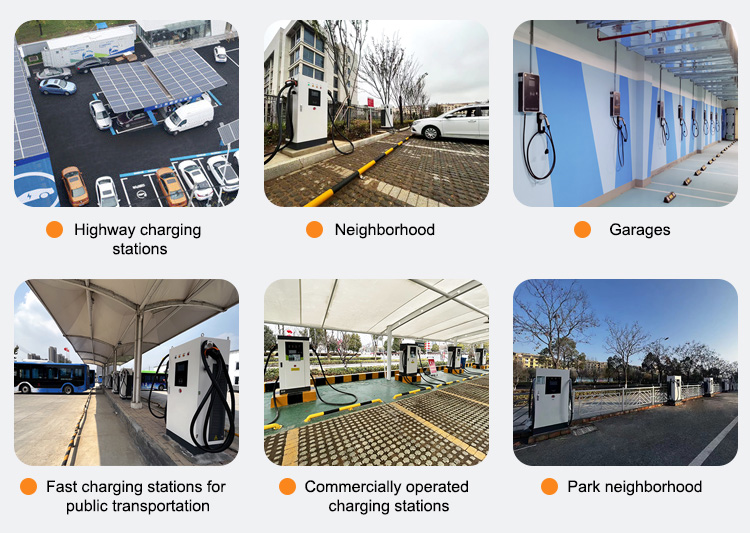
🏛 Application

AC charging piles are widely used in homes, offices, public parking lots, and urban roads. Specific scenarios include:
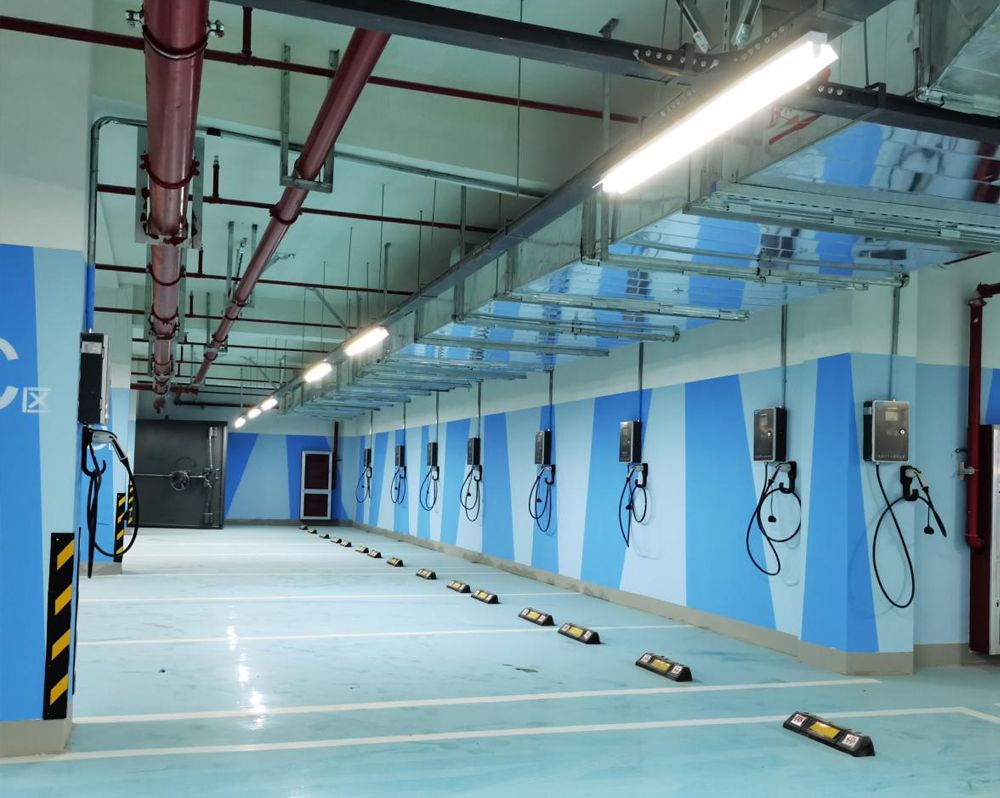
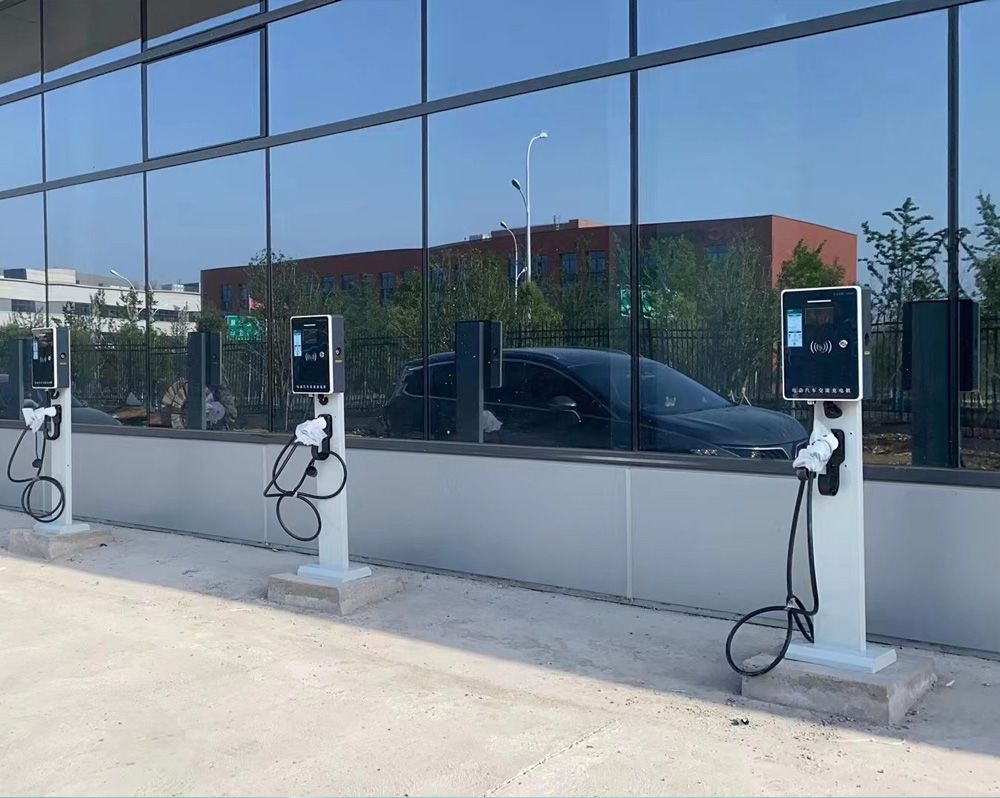
Home charging: Providing AC power for residential electric vehicles via on-board chargers.
Commercial car parks: Installed in shopping malls or office buildings for visitors and employees.
Public Charging Stations: Located at bus stops and motorway service areas for public use.
Charging Pile Operators: Convenient services in hotels, urban public areas, and plazas.
Scenic spots: Improving tourist experience by facilitating EV charging at travel destinations.
News-2 News-3
appliance
Frequently Asked Questions
Q1: What is the main difference between an AC charger and a DC charger?
AC chargers (slow chargers) provide AC power to the vehicle's on-board charger, while DC chargers (fast chargers) convert power externally and provide DC current directly to the battery for much faster charging.
Q2: How long does it typically take to charge an EV with a 7KW AC charger?
For most standard electric vehicles, it takes approximately 6 to 9 hours to reach a full charge, making it perfect for overnight use.
Q3: Can AC charging piles be installed outdoors?
Yes, our AC charging piles feature an IP65 protection level, which means they are dust-tight and protected against water ingress, suitable for both indoor and outdoor installation.
Q4: What types of mounting options are available?
AC charging piles are highly flexible and can be installed as wall-mounted units to save space or floor-mounted (landing type) using a pedestal.
Q5: Is it safe to leave my car charging overnight?
Absolutely. The units are equipped with multiple safety protections, including leakage, over-voltage, and short-circuit protection, ensuring a safe charging process while you sleep.
Q6: How can I start the charging process?
Users can easily initiate charging by swiping a registered RFID card or by scanning a QR code via a mobile app, depending on the specific model configuration.

Related Products