📘 Product Description
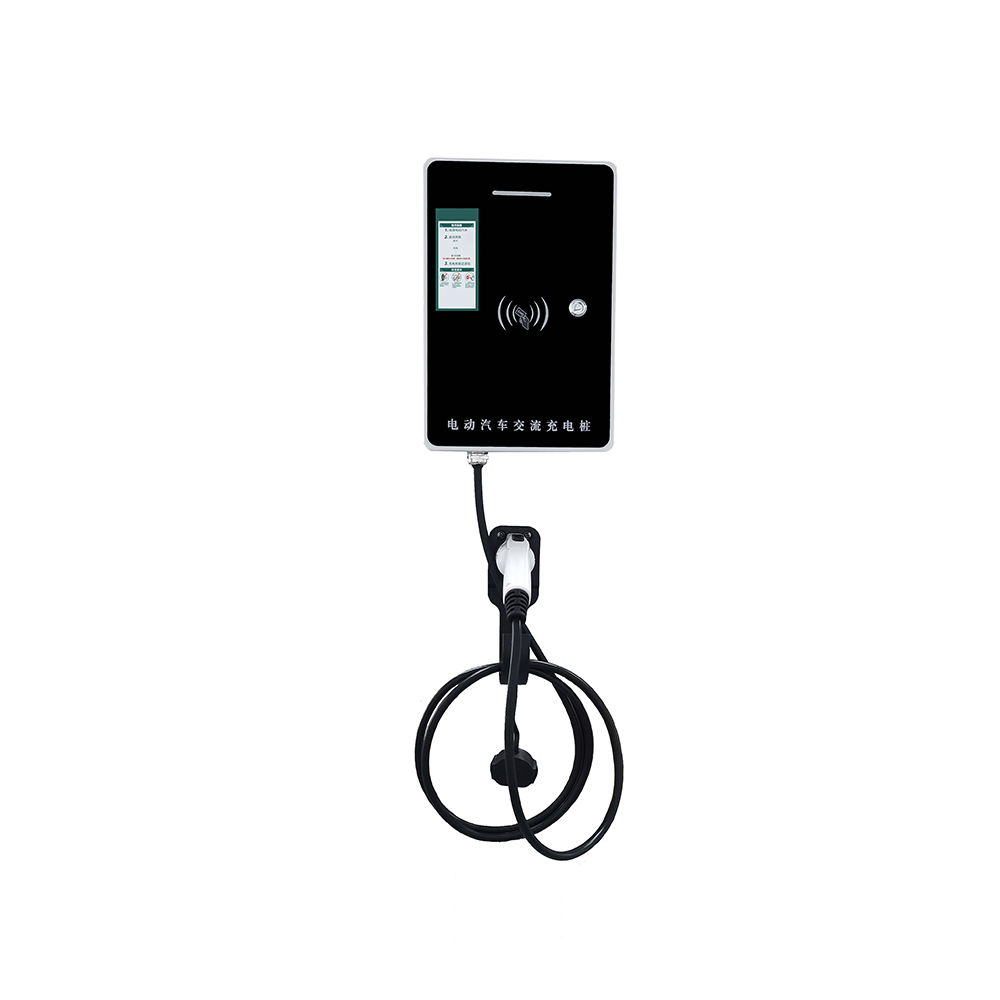
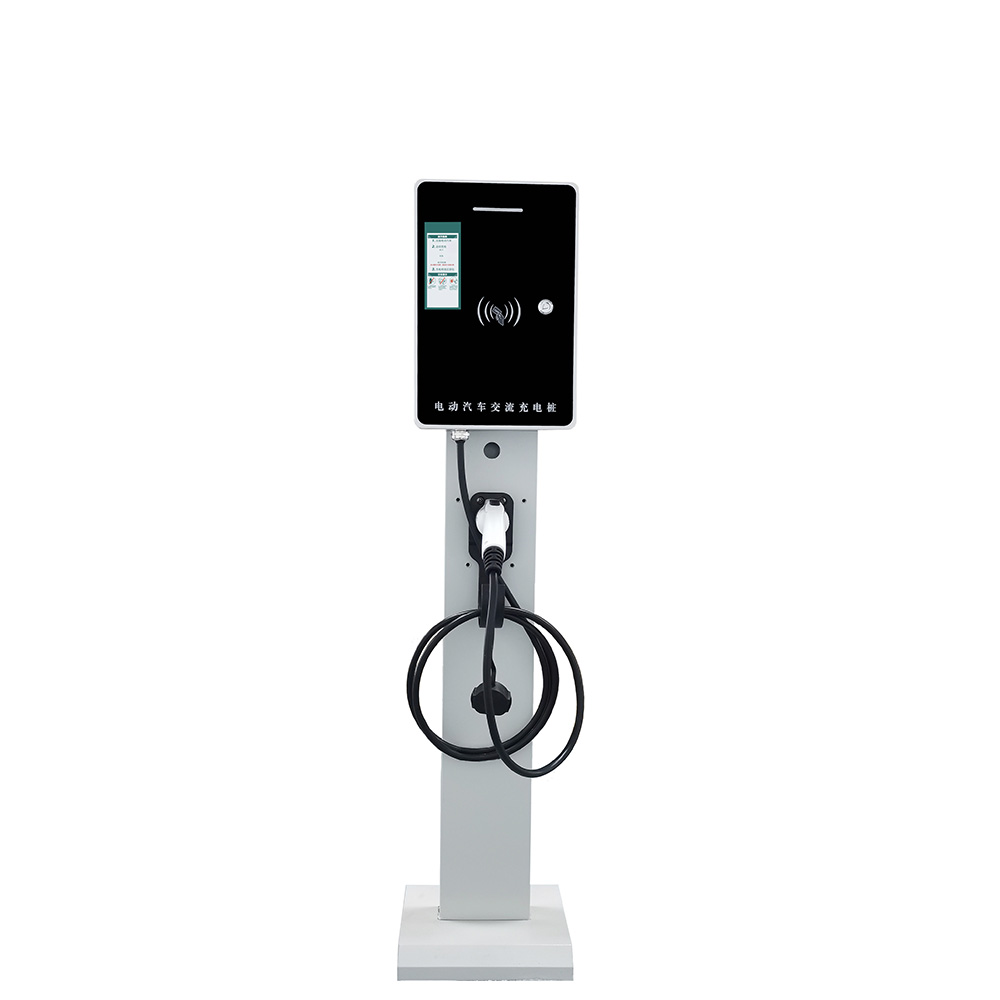
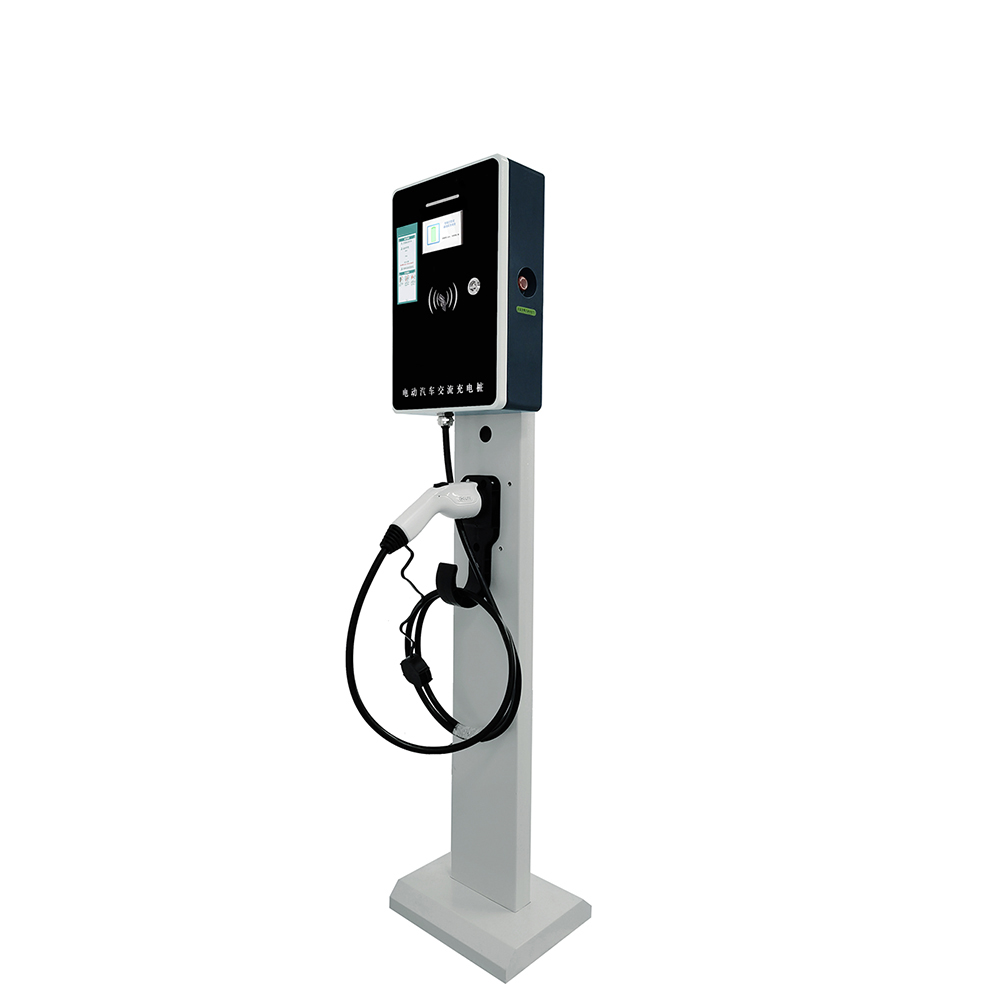
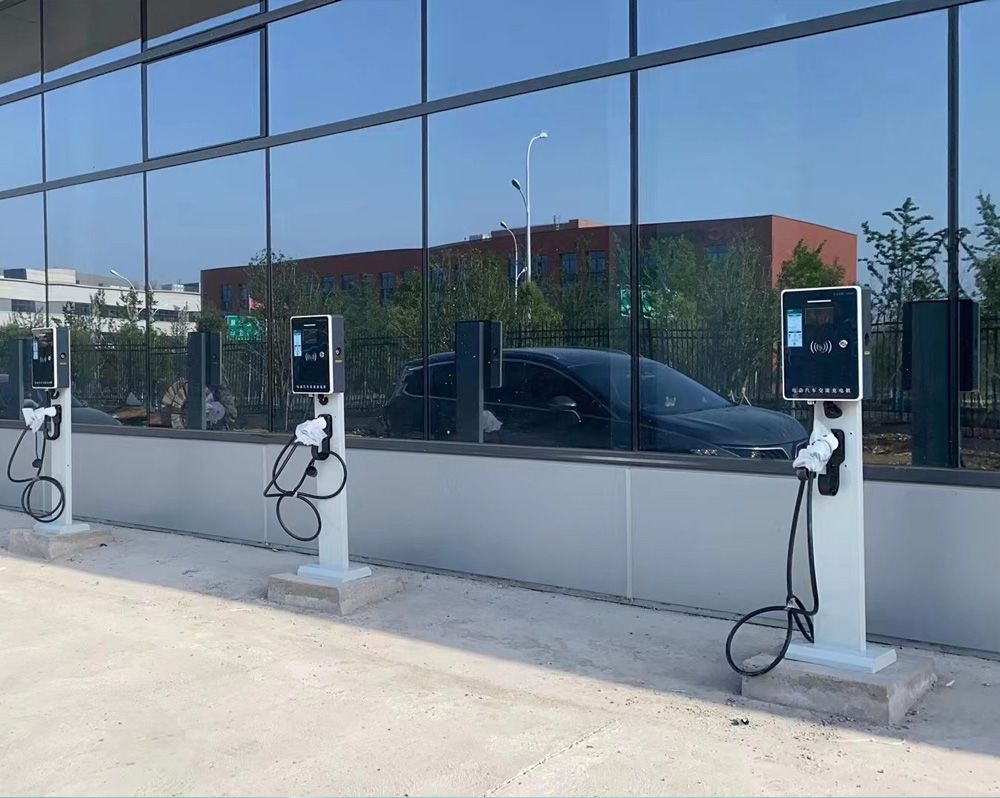
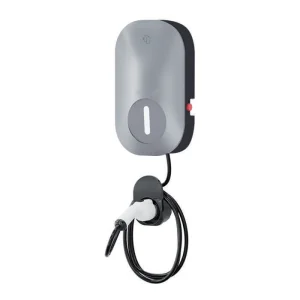
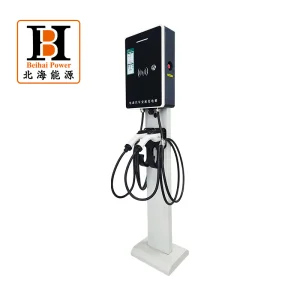
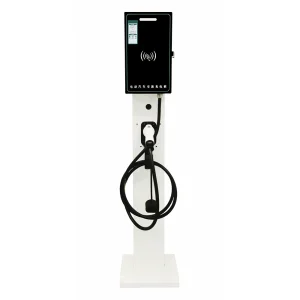
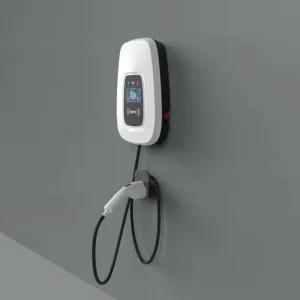
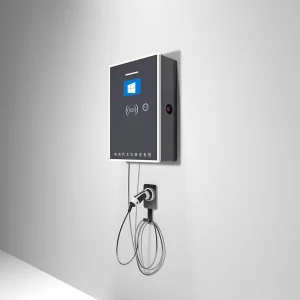
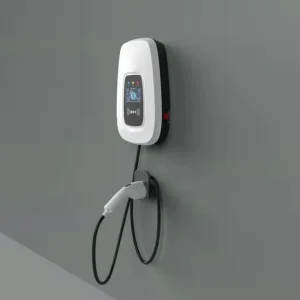
An AC charging pile is a charging device designed for electric vehicles, mainly for slow charging of electric vehicles by providing stable AC power to the on-board charger (OBC) on the electric vehicle. AC charging pile itself does not have direct charging function, but needs to be connected to the on-board charger (OBC) on the electric vehicle to convert AC power to DC power, and then charge the battery of the electric vehicle, this charging method occupies an important position in the market for its economy and convenience.
Although the charging speed of AC charging station is relatively slow and takes a long time to fully charge the battery of an electric vehicle, this does not detract from its advantages in home charging and long parking charging scenarios. Owners can park their EVs near the charging piles to charge at night or during free time, which does not affect daily use and makes full use of charging during the grid's low hours to reduce charging costs. Therefore, AC charging pile has less impact on the grid load and is conducive to the stable operation of the grid. It does not need complex power conversion equipment, and only needs to provide AC power directly from the grid to the on-board charger, which reduces energy loss and grid pressure.
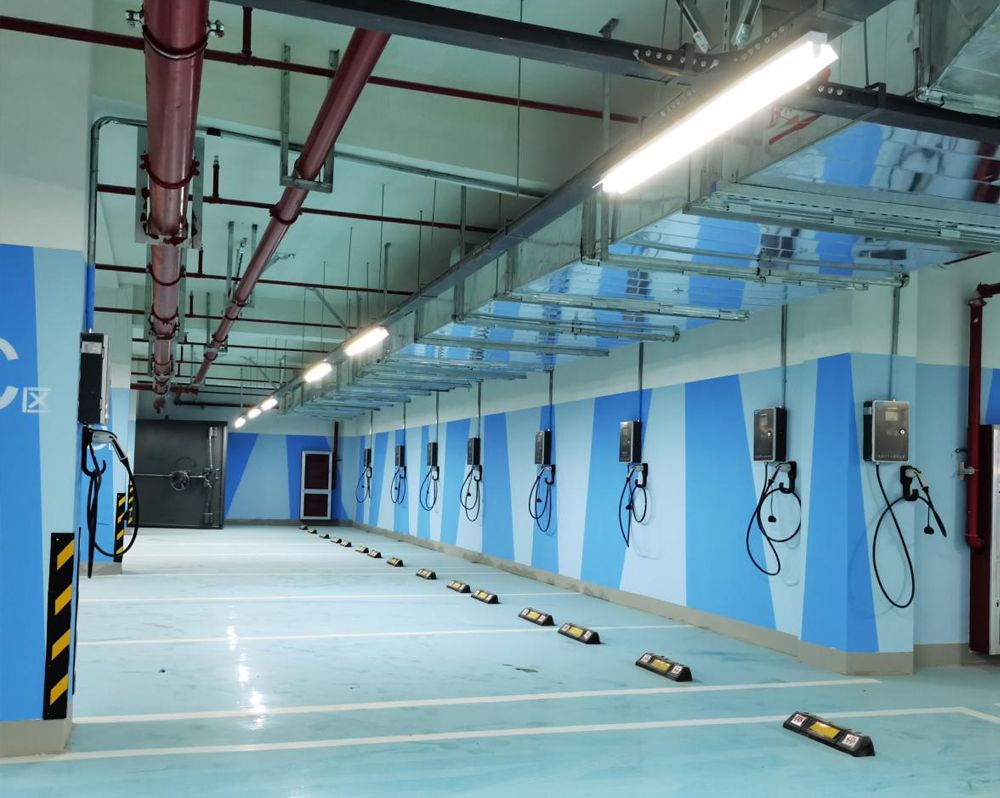
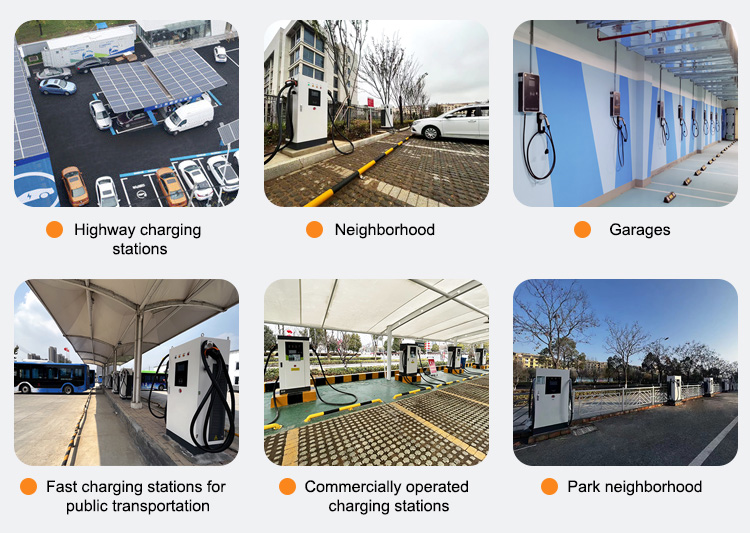
In conclusion, the technology and structure of AC charging pile is relatively simple, with low manufacturing cost and affordable price, which makes it suitable for wide application in scenarios such as residential districts, commercial car parks and public places. It can not only meet the daily charging needs of electric vehicle users, but also provide value-added services for car parks and other places to enhance user experience.
📊 Product Parameters
| Unit Type |
BHAC-63A-80KW |
| Technical Parameters |
| AC Input |
Voltage range (V) |
480±15% |
| Frequency range (Hz) |
45~66 |
| AC Output |
Voltage range (V) |
480 |
| Output Power (KW) |
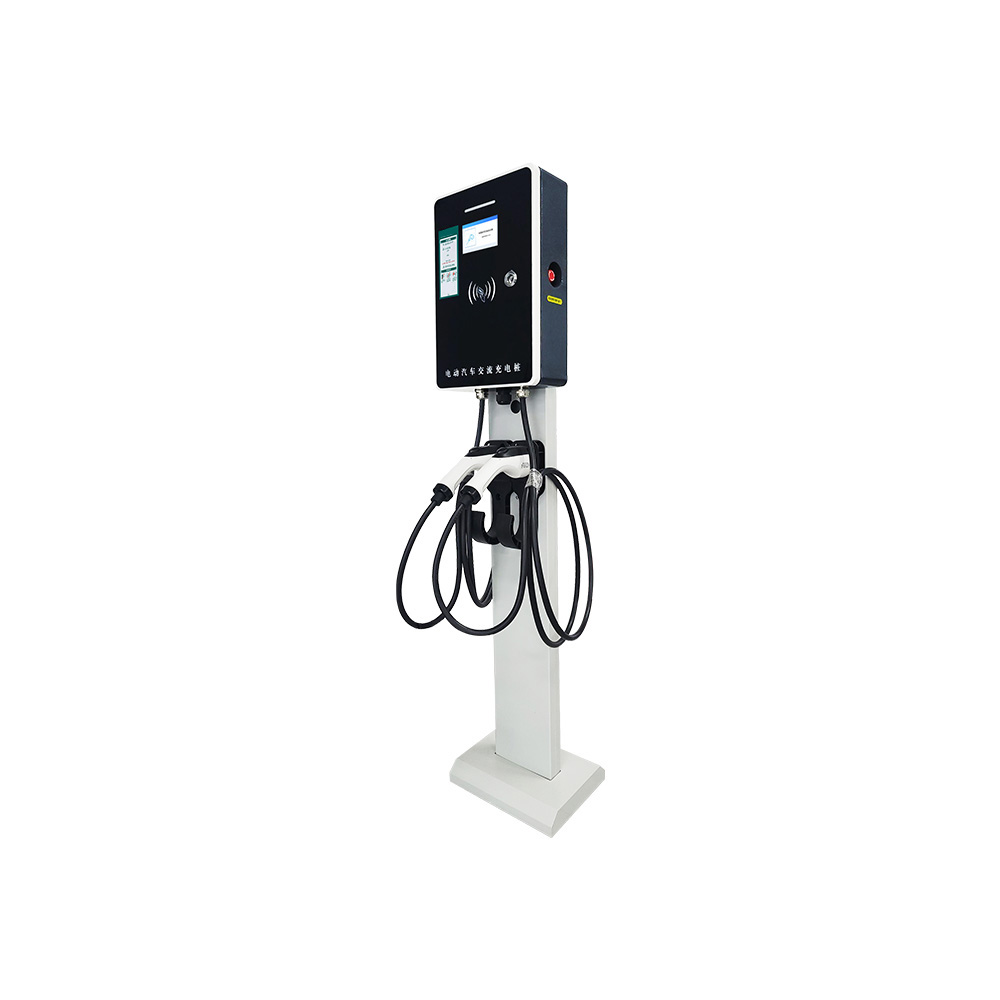
40*2kw/80kw |
| Maximum current (A) |
63A |
| Charging interface |
2 |
| Protection Information |
Operation Instruction |
Power, Charge, Fault |
| Machine display |
No/4.3-inch display |
| Charging operation |
Swipe the card or scan the code |
| Metering mode |
Hourly rate |
| Communication |
Ethernet (Standard Communication Protocol) |
| Heat dissipation control |
Natural Cooling |
| Protection level |
IP65 |
| Leakage protection (mA) |
30 |
| Equipment Information |
Reliability (MTBF) |
50000 |
| Size (W*D*H) mm |
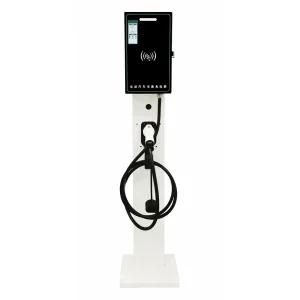
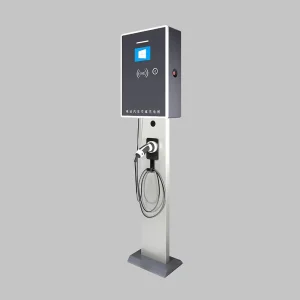
270*110*1365 (floor) / 270*110*400 (Wall) |
| Installation mode |
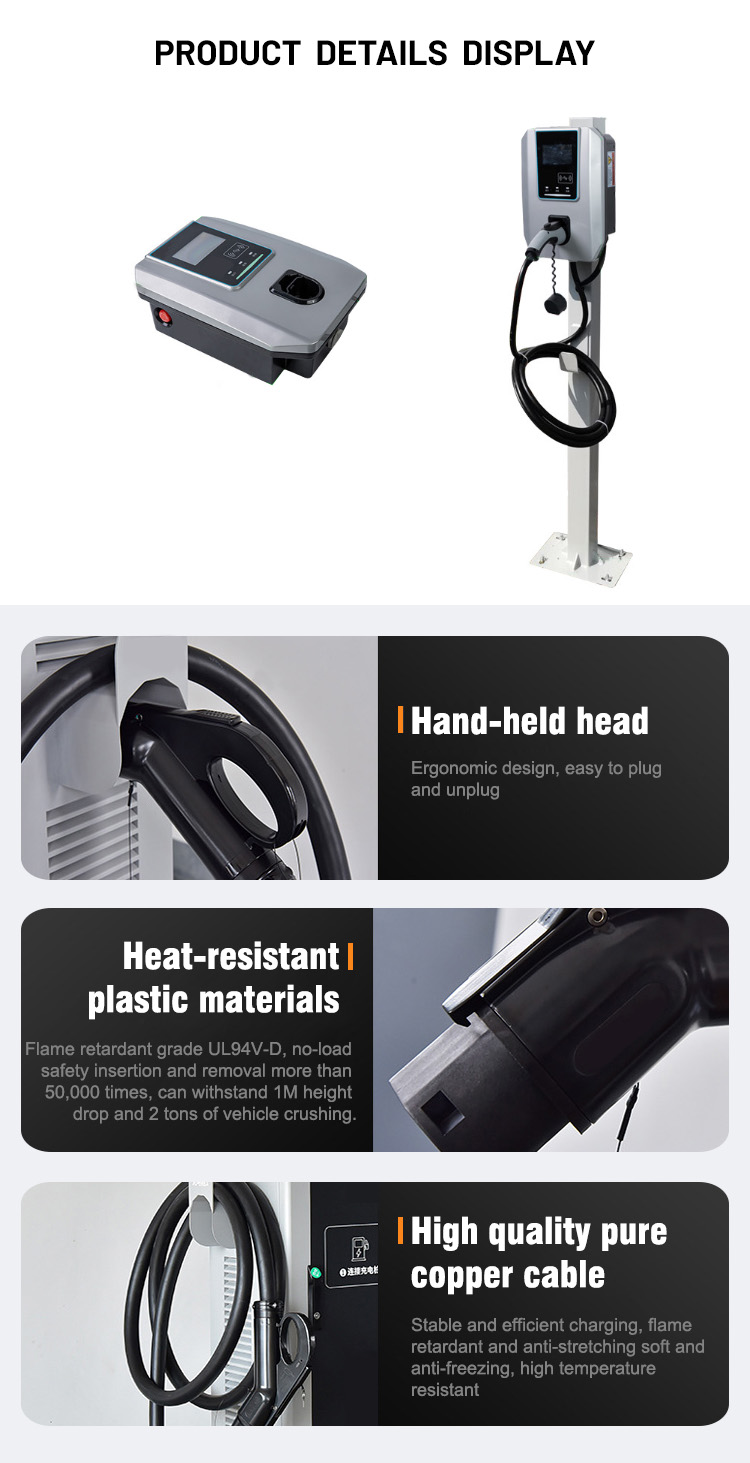
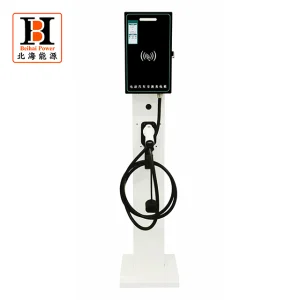
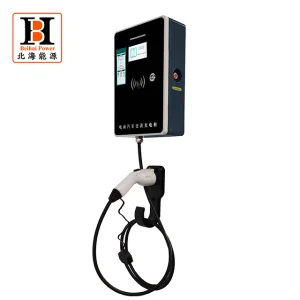
Landing type / Wall mounted type |
| Routing mode |
Up (down) into line |
| Environment |
Altitude (m) |
≤2000 |
| Operating temperature (℃) |
-20~50 |
| Storage temperature (℃) |
-40~70 |
| Average relative humidity |
5%~95% |
| Optional |
4G Wireless Communication |
Charging gun 5m |
⭐ Product Features
Compared with DC charging pile (fast charger), AC charging pile has the following significant features:
1. Flexible Installation
Smaller power (3.3 kW and 7 kW) allows for flexible installation adapted to different scene requirements.
2. Ideal for Long Parking
Takes 6-8 hours for a full charge, making it perfect for night-time charging or long-duration parking.
3. Lower Cost
Simplified manufacturing and lower installation costs make it affordable for family and commercial applications.
4. Safe and Reliable
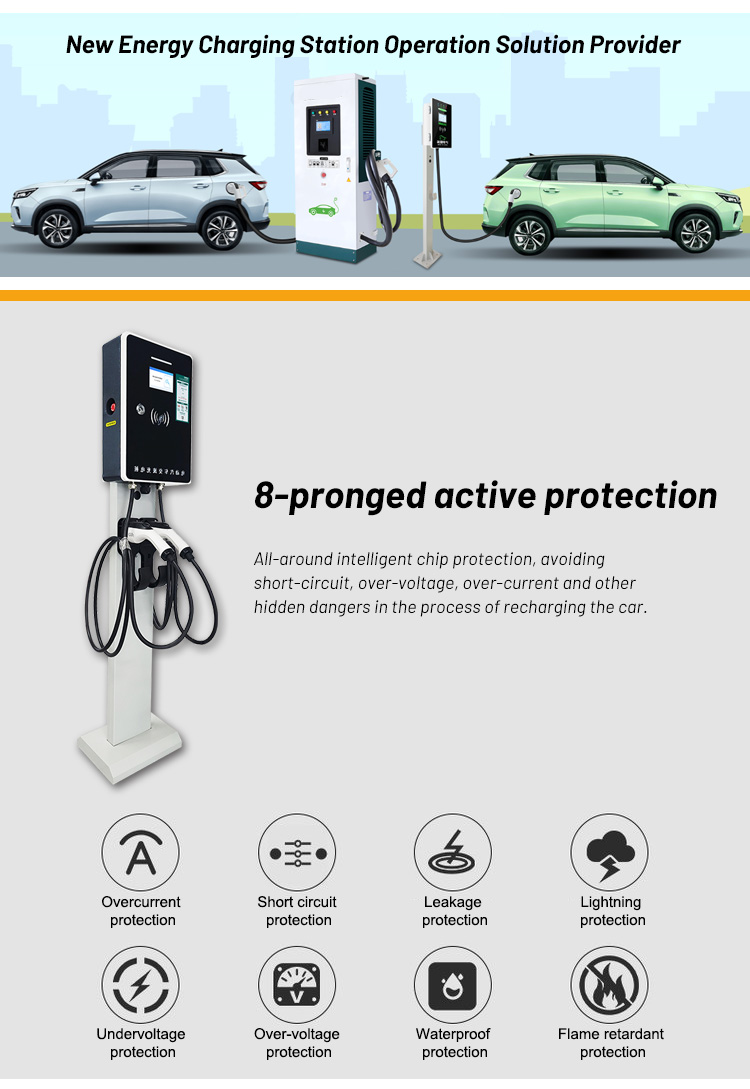
Equipped with protection against over-voltage, under-voltage, overload, short-circuit, and leakage.
5. Smart Interaction
Features an LCD color touch screen with multiple modes: quantitative, timed, quota, and intelligent charging.
🚀 Applications
AC charging piles are highly versatile and ideal for locations where vehicles remain stationary for extended periods:
Home Charging
Commercial Car Parks
Public Charging Stations
Urban Shopping Malls
Hotels & Resorts
Scenic Spots
❓ Frequently Asked Questions
Q1: What is the main difference between an AC and DC charging pile?
A: AC piles provide power to the vehicle's on-board charger (slow charging), while DC piles charge the battery directly (fast charging). AC piles are more economical for home and long-term parking.
Q2: How long does it take to fully charge a car?
A: Typically, it takes about 6 to 8 hours to reach a full charge, making it ideal for overnight use.
Q3: Is the charging station waterproof for outdoor use?
A: Yes, this model features an IP65 protection rating, ensuring it is protected against dust and water, suitable for outdoor installation.
Q4: Can I install this at my private home?
A: Absolutely. Its flexible design allows for both wall-mounted and floor-standing installations in residential car parks.
Q5: What safety features are included?
A: It includes comprehensive protection against over-voltage, under-voltage, overload, short-circuits, and 30mA leakage protection.
Q6: How do users start the charging process?
A: Users can easily start charging by swiping an authorized card or scanning a code via the interaction interface.