Kyrgyzstan is actively positioning itself as a central hub for clean transport corridors in Central Asia. Driven by the government’s tax exemption strategies on electric vehicles, the import of EVs into municipal centers such as Bishkek and Osh is experiencing exponential growth. However, transitioning from internal combustion engine vehicles to sustainable electric mobility demands a highly resilient, standardized, and robust hardware layer—starting directly at the EV charger connector.
With massive public transportation overhauls converting urban bus fleets to electric configurations, municipal and private operators must navigate harsh continental climate shifts. Temperatures drop below -30°C in high-altitude mountain highways (e.g., the critical Bishkek-Osh route) and rise above +40°C in peak summer. EV charger connectors must offer superior material architecture, thermal performance, and moisture sealing to maintain functional continuity and grid safety.
Beihai Power (China Beihai Power Co., Ltd.) is a specialized manufacturer dedicated to the innovation of DC fast-charging technology and smart AC charging technology. We bridge the gap between complex energy requirements and reliable infrastructure delivery for governments and commercial clients across Central Asia, Southeast Asia, the Middle East, Europe, Africa, South America, and North America.
Our core mission is to solve the critical challenges of charging speed, system reliability, and grid integration. By focusing on the performance of our integrated charging modules, we provide high-efficiency power solutions that ensure faster, safer, and more stable energy transfer for large-scale vehicle infrastructure projects.

From raw material handling to complete functional and environmental tests, every step is rigorously controlled to secure global certifications and long-term durability in the field.
Precision cutting of structural components and copper wiring assemblies using automated high-accuracy tooling.
Heavy-duty cabinet creation using high-grade galvanized alloy sheets, protecting assemblies against corrosion.
Integration of structural shielding, internal venting paths, and heat sinks customized for high-altitude demands.
Pre-assembly checks verifying IP ingress ratings, grounding continuity, and impact durability indexes.
Assembly of high-power converters, controller circuits, and high-frequency transformer subsystems.
Internal circuitry busbar installations and connecting plug harnesses, matching stringent safety thresholds.
Simulated load trials, insulation resistance validation, and temperature ramp-up profiling under heavy output.
Secure, moisture-sealed packaging configured for long-range transport to Kyrgyzstan and worldwide.
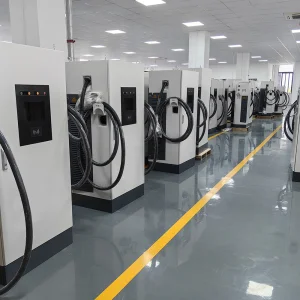
We manage a complete vertically integrated supply chain, from the engineering of silver-plated liquid-cooled copper contacts to heavy structural enclosures. Our industrial floor ensures repeatable quality and prompt batch delivery to Central Asian customs stations.
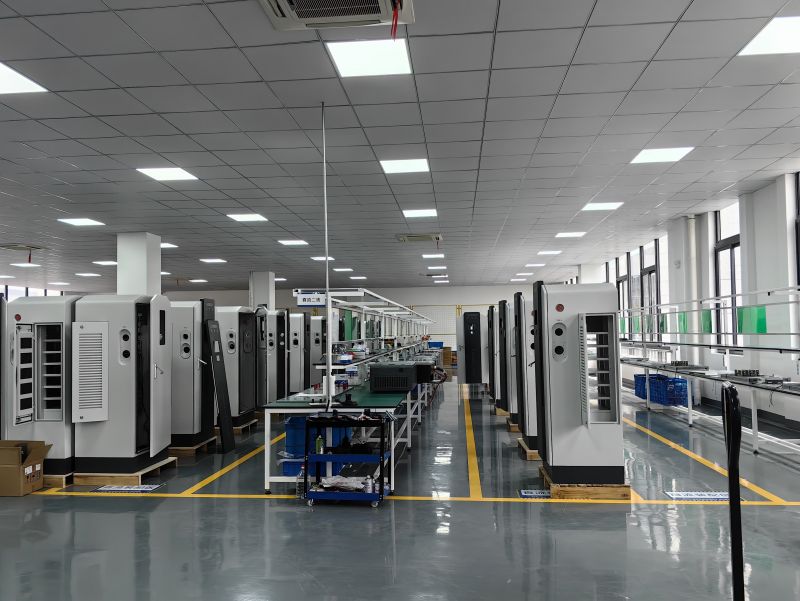
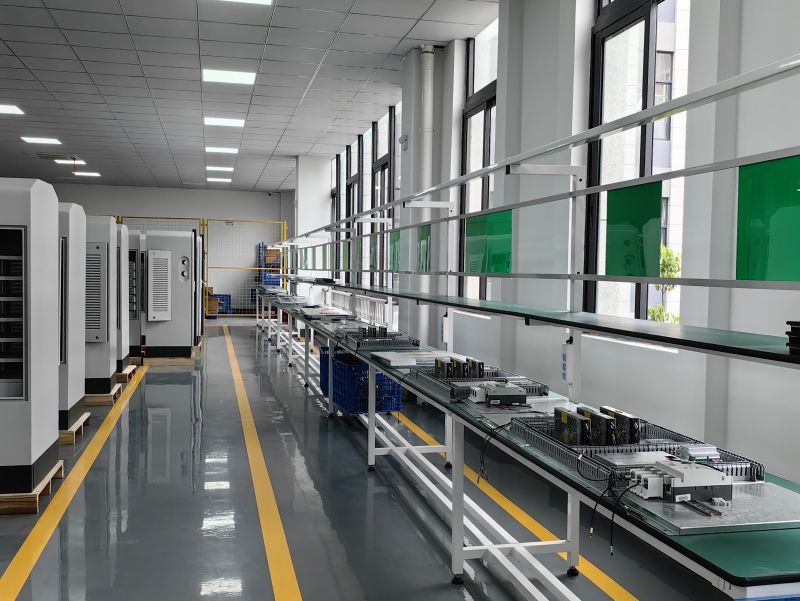
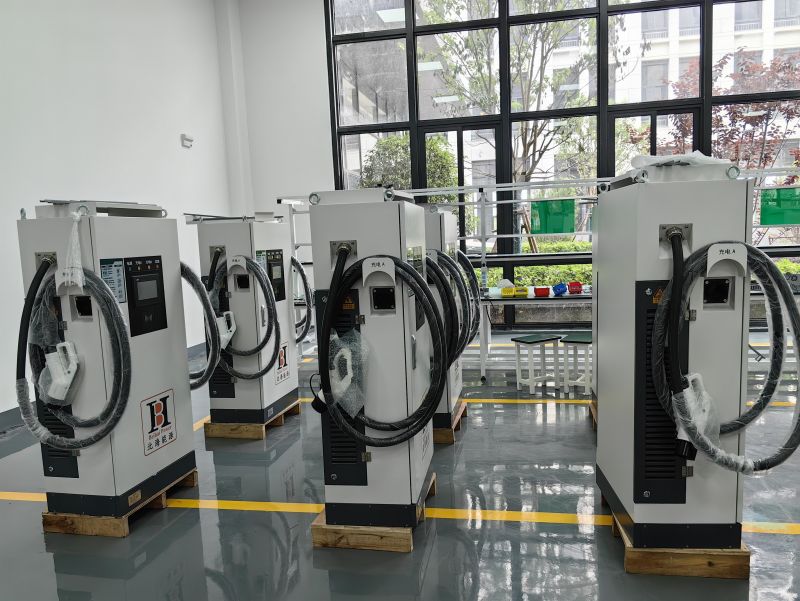
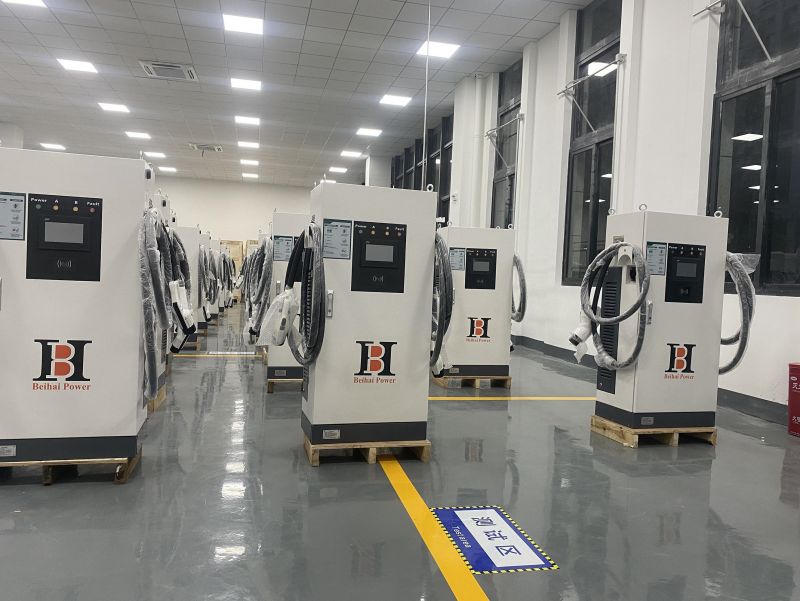
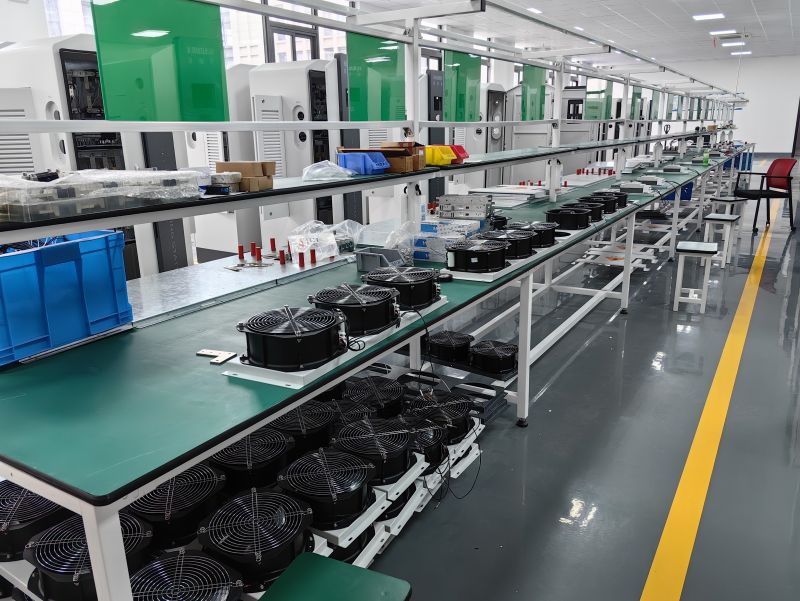
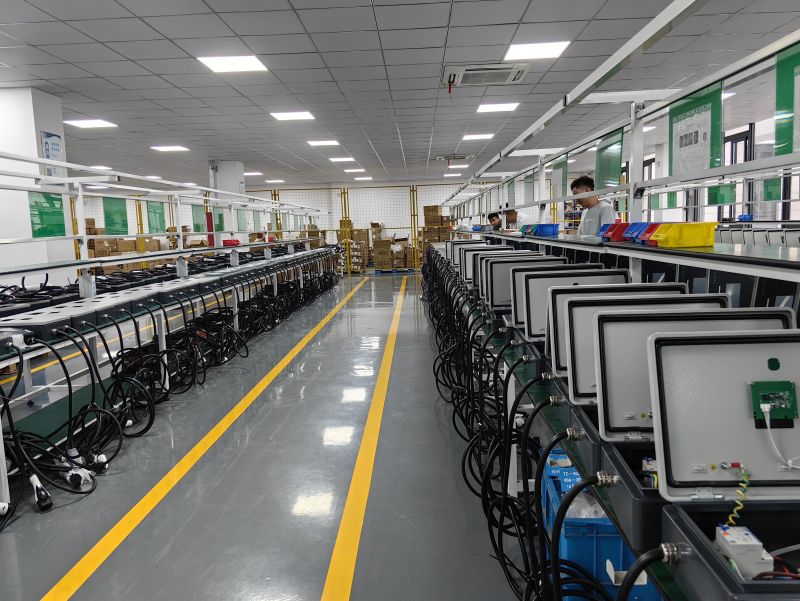
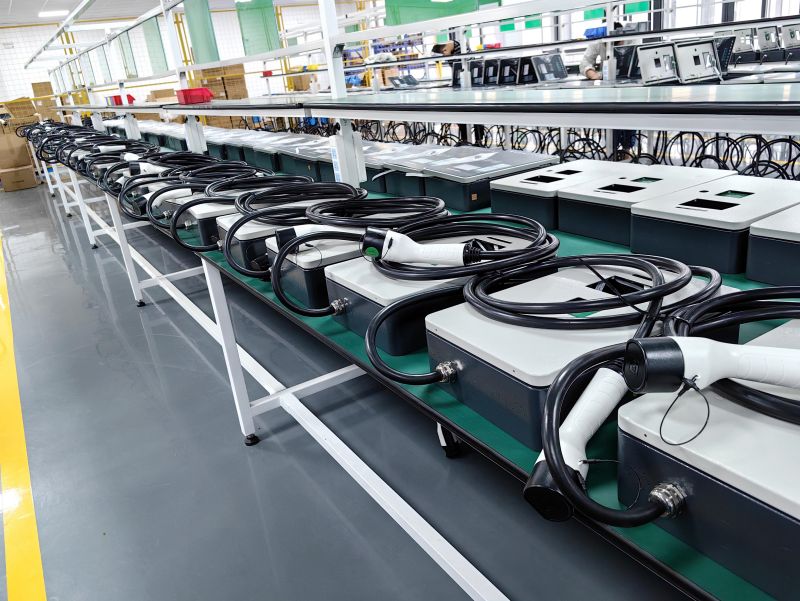
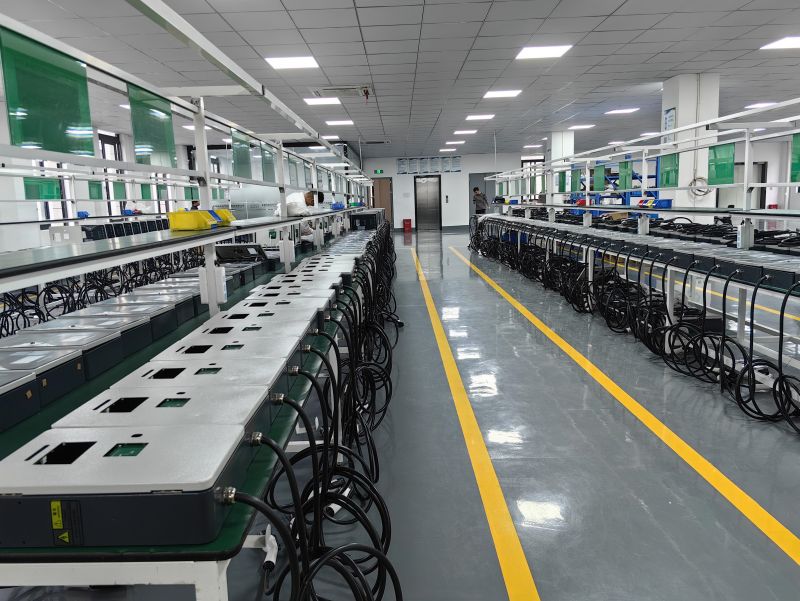
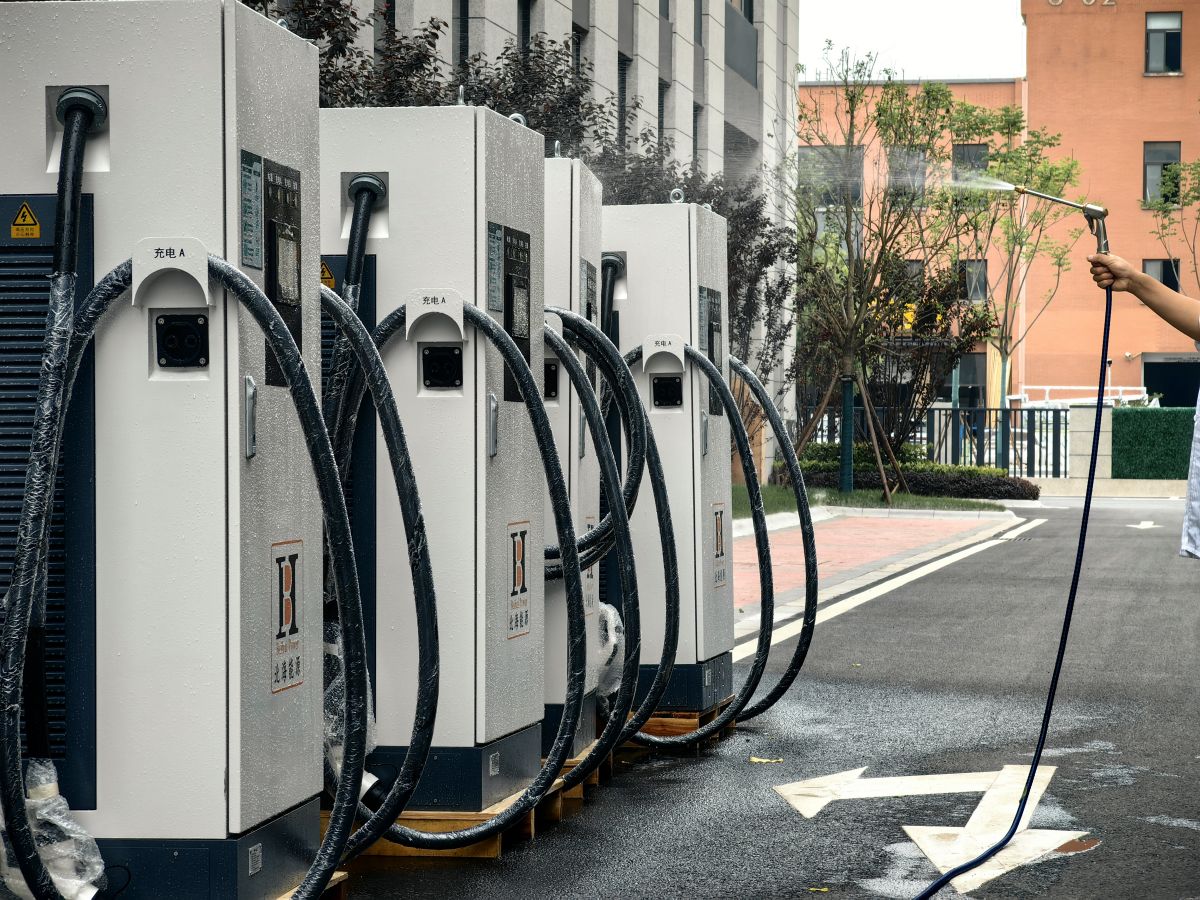
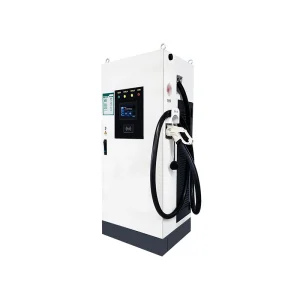
We boast first-class R&D personnel and experienced management teams, allowing us to manufacture diverse AC charging stations and high-power DC stations tailored to dynamic operational parameters. Our customer-centric system provides swift resolution for customized client inquiries. From factory assembly lines to real-world integration, we track performance and provide ongoing technical assistance.
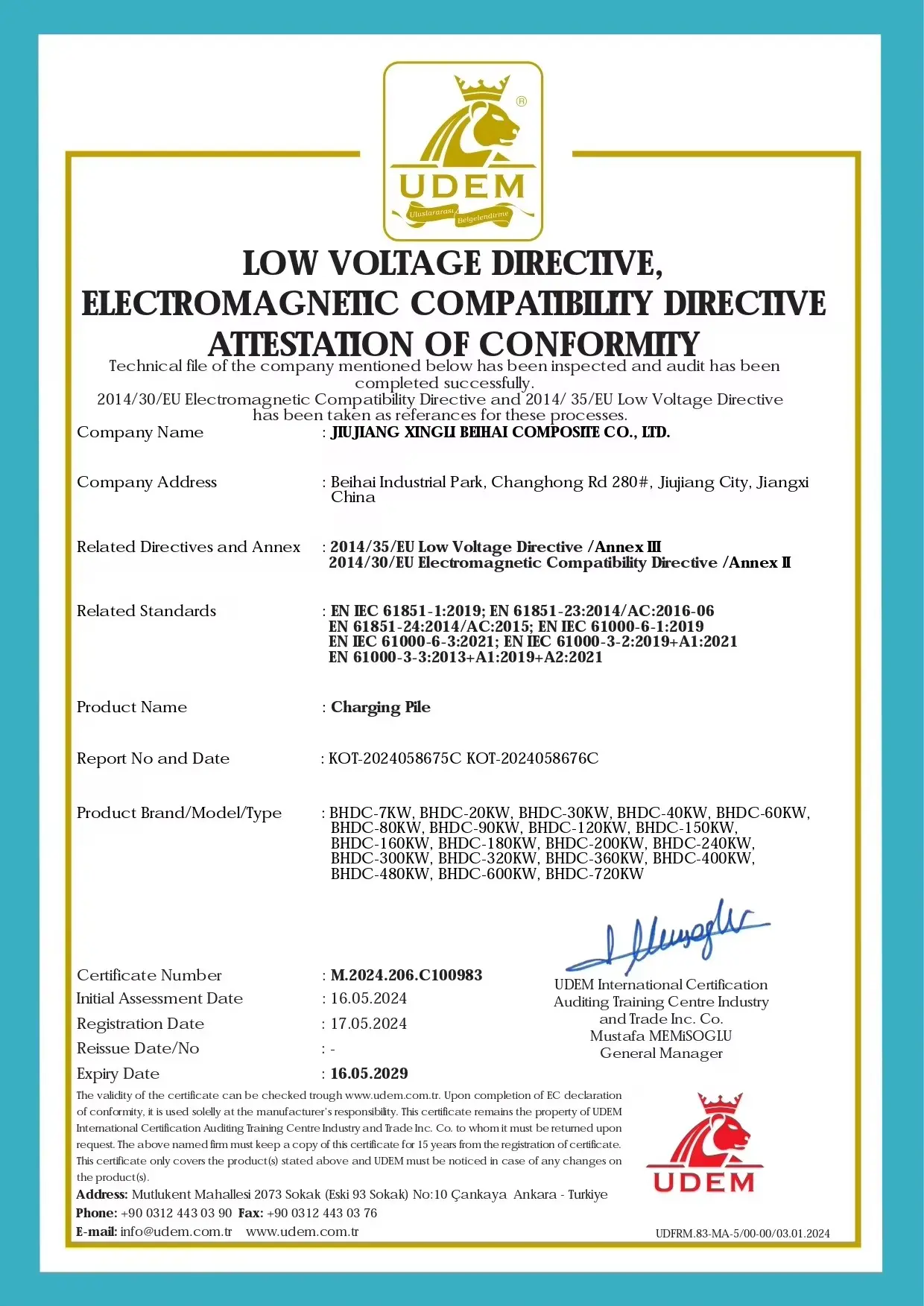
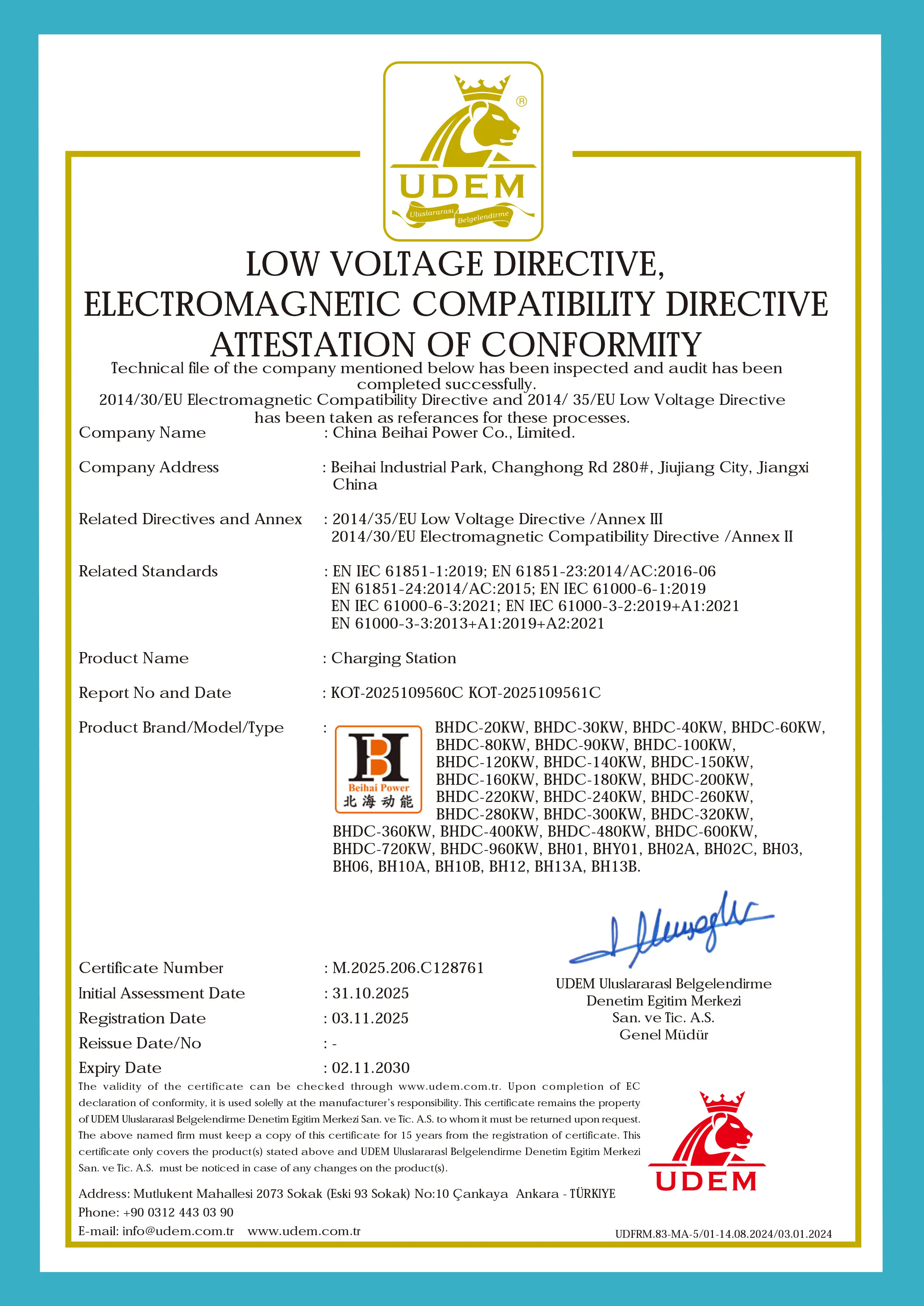
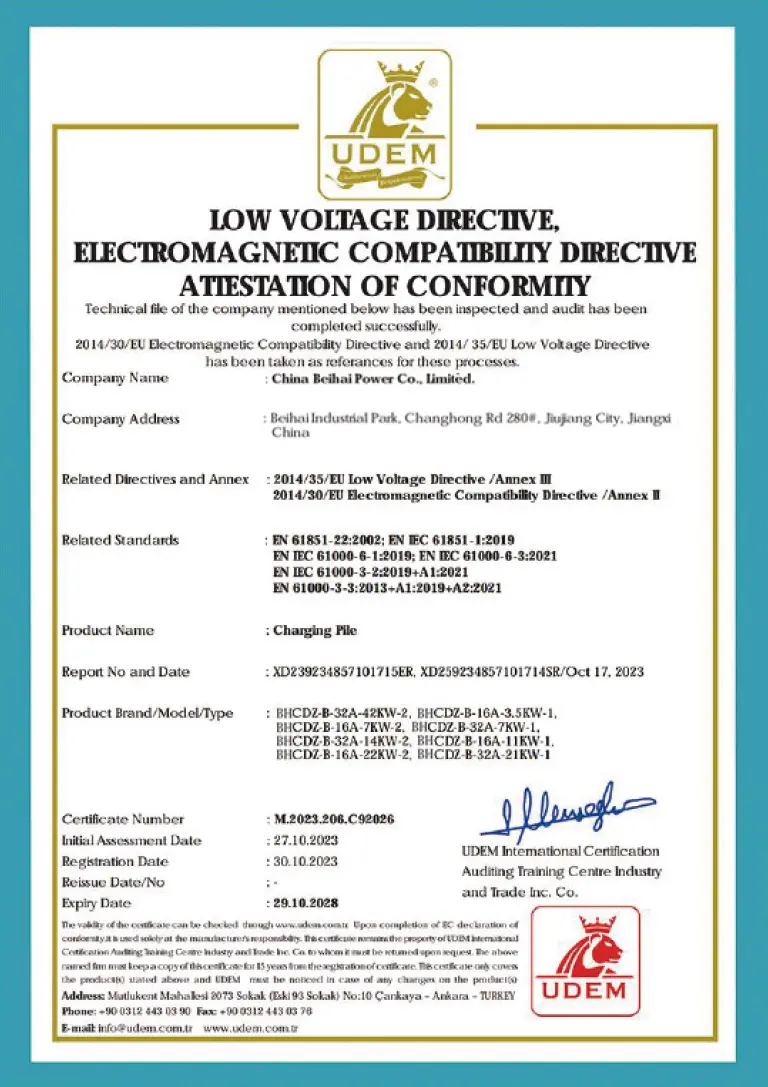
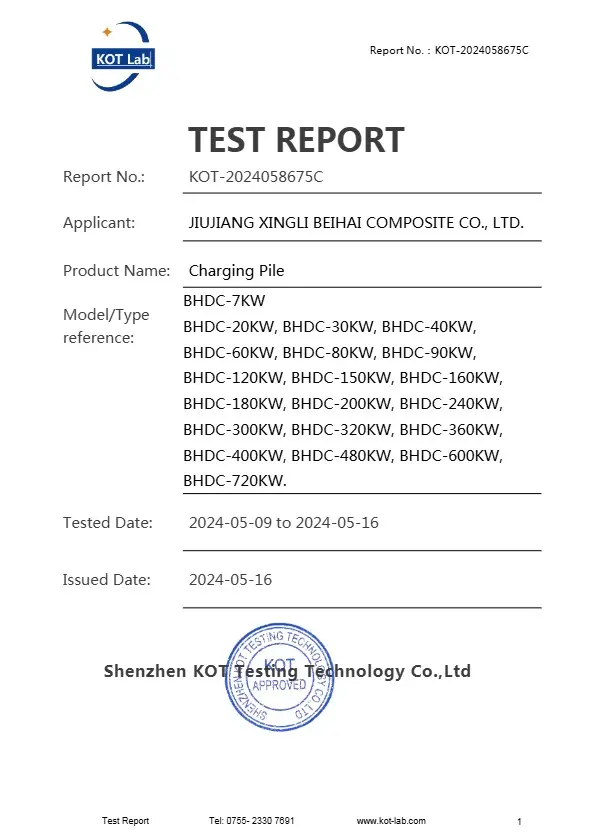
Our solutions feature certifications that guarantee performance, and our production standards correspond directly with TUV, CE, RoHS, and GOST protocols, ensuring safe grid connections globally.

Designing EV infrastructure for Kyrgyzstan demands an understanding of its geographical context. Geographically dominated by the Tian Shan mountain range, Kyrgyzstan's primary highway networks require vehicles to climb steep altitudes and encounter extreme pressure differentials. These elevation shifts influence electrical dielectric properties and thermal dissipation inside power electronics. Standard off-the-shelf charging cords risk dielectric breakdown when operated at high altitudes exceeding 2,000 meters if the air clearance distances inside the connector body are not properly oversized.
Kyrgyzstan's borders with China, particularly near Xinjiang, facilitate a direct shipping pathway. Transit through the Torugart and Irkeshtam passes provides rapid overland freight access. Our manufacturing facility in China leverages this direct route, ensuring customized charging units, replacement cables, and complete power cabinets reach Bishkek or Osh in short turnaround times. This geographical proximity eliminates long shipping delays, allowing Kyrgyz contractors to easily scale public works projects.
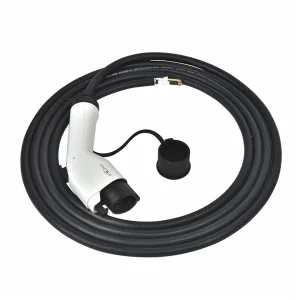
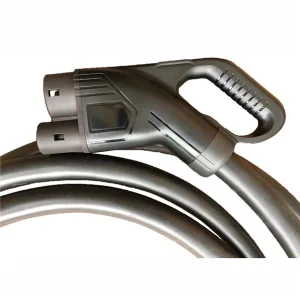
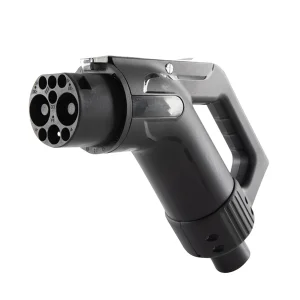
In low temperatures, structural plastics become brittle and prone to cracking under physical shock (e.g., dropping the plug onto frozen asphalt). Beihai Power EV connectors are manufactured using high-impact polycarbonate shells integrated with premium TPU cables. TPU provides high abrasion resistance, ozone tolerance, and maintains elasticity at -40°C. Additionally, the connector contacts feature silver plating over copper alloy, reducing contact resistance to minimize heat generation during 250A+ DC rapid-charge cycles.
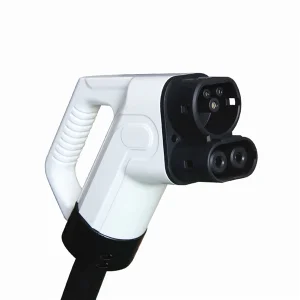
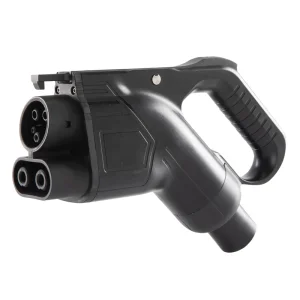
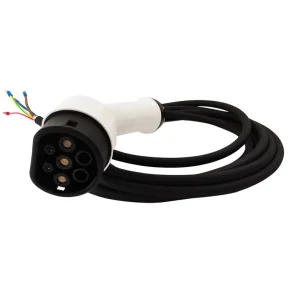
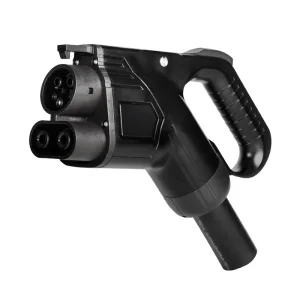
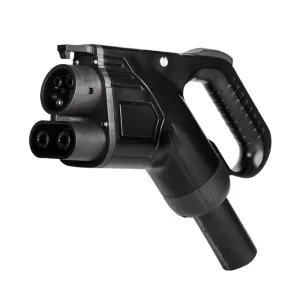
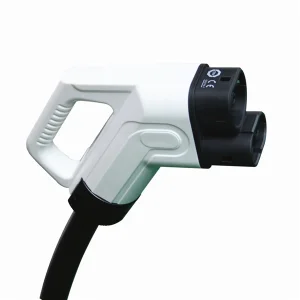
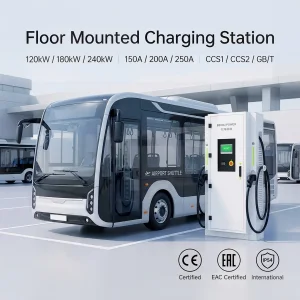
Due to the parallel import of vehicles from European channels and China, Kyrgyz EV charging stations must offer multi-standard options. We deliver charging cables for both Chinese national standards (GB/T) and European configurations (CCS2 / Type 2). Dual-outlet configurations allow operators to manage diverse vehicle types at a single station, helping optimize installation costs and capital allocation.
Developing high-power fast-charging infrastructure for Kyrgyzstan’s highway corridors demands consideration of altitude-specific degradation factors. When deploying DC stations at altitudes exceeding 1,500 meters, such as the mountain regions connecting Bishkek to Osh, atmospheric pressure drops, leading to decreased air density. This decrease affects both cooling capability and the dielectric strength of open air gaps within charging equipment.
To prevent electrical tracking or flashovers at high altitudes, our engineers increase the internal creepage distances within the plug contact block. Our 200A CCS2 and 250A GB/T connectors are designed with isolation barriers that exceed standard IEC 62196 requirements. This provides a safety margin up to 3,000 meters above sea level, guarding against phase-to-phase shorts even in humid, foggy mountain environments.
For high-power charging (360KW to 500KW), charging cables using passive cooling can become heavy and difficult to handle in sub-zero temperatures. Our 400A and 500A liquid-cooled charging assemblies feature dedicated coolant channels circulating synthetic oil or a water-glycol mixture directly to the pin contacts. This keeps cable weight manageable and ensures the connector stays within safe operating temperatures, even during back-to-back fast-charging sessions.
A recent project in Central Asia demonstrated our customization capabilities, where we delivered 24 customized DC fast-charging piles to Uzbekistan. Our team also engineered a mobile 150kW DC fast-charging solution integrated into commercial vans, developed to meet specific grid and environmental conditions in the Americas. These projects highlight our capacity to adapt electrical and mechanical designs to regional parameters.