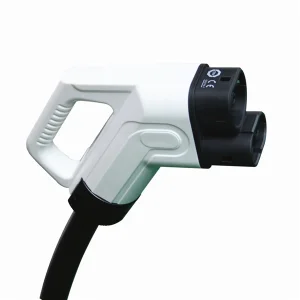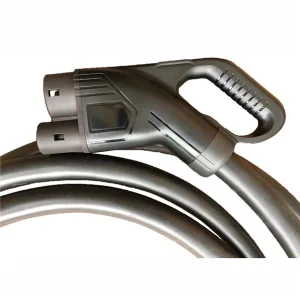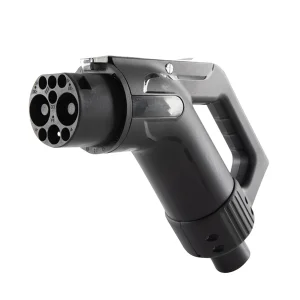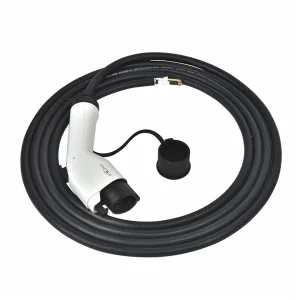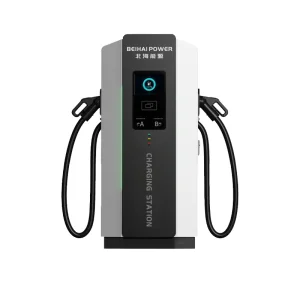
EV Charger Connector Manufacturer & Suppliers for Chittagong

High-Performance Industrial Charging Interfaces & Cables Optimized for Bangladesh’s Hub of Maritime & Industrial Growth

Send Inquiry Now
Regional Outlook

Chittagong's Electric Mobility Revolution & Coastal Grid Realities

Chittagong (Chattogram), the main seaport and commercial gateway of Bangladesh, is transitioning its transport dynamics. As the city integrates heavy logistics around the port area, and expands municipal infrastructure from Patenga to Halishahar, the requirement for robust, weather-resistant EV charging components has spiked exponentially.

Navigating the electrical realities of a tropical coastal metropolis presents specific engineering requirements. In Chittagong, EV charging systems must withstand intense local challenges:

  • High Salinity & Moisture Ingress: Proximity to the Bay of Bengal introduces airborne salt spray, demanding IP67/IP68 sealed gun casings and specialized anti-corrosive silver plating on copper alloy pins.
  • Monsoon Resilience & High Ambient Heat: Heavy rainfalls require top-tier thermal dissipation and strict waterproof tolerances to avoid grounding faults.
  • Grid Stability Support: Connectors must be robust enough to handle the thermal stress induced by fluctuations in the local grid network without material degradation.
Chittagong Port & EV Logistic Infrastructure Preparation
Engineering Excellence

Global EV Connector Protocols & Local Integration

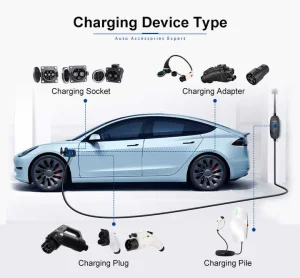
A detailed analysis of how standard technologies (CCS1, CCS2, GB/T, Type 2, J1772) address the commercial, fleet, and public utility requirements in emerging logistical hubs.

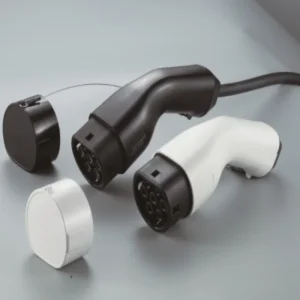
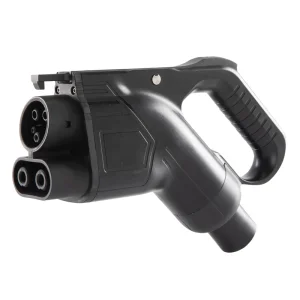
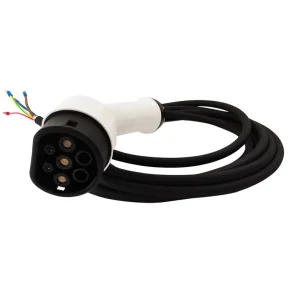
CCS2 & Type 2 Standard

The standard protocol for European and regional heavy duty public DC systems. Widely adopted for fast transit lanes. Features safety pin interlocking mechanisms and premium micro-ohm contact resistance values.

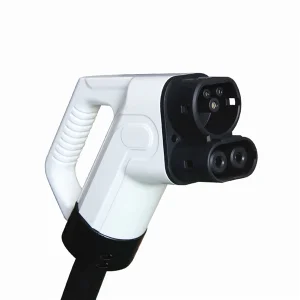
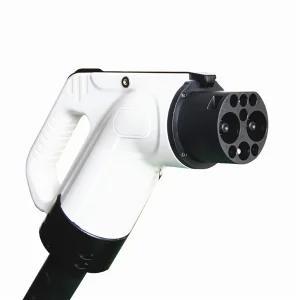
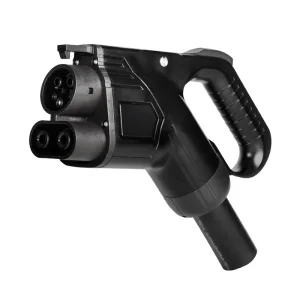
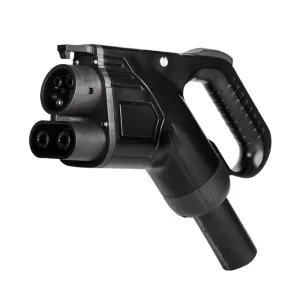
GB/T Fast Charge (DC)

The primary vehicle interface standard for heavy-duty electric trucks and urban buses imported into Bangladesh. Optimizes high power loads (up to 250A/1000V) under demanding thermal conditions.

CCS1 & Type 1 J1772

Optimized mainly for North American vehicle architectures. Features heavy-duty tethered cables, premium TPU outer jackets, and rugged ergonomic handles suitable for industrial logistics yards.

Global Supply Chain Advantage

Unlocking Competitive Cost-Efficiency through Chinese Manufacturing

As an established supplier, Beihai Power combines high industrial output with global compliance parameters, providing premium components at optimized cost structures.

100%
FVT Quality Pass
10k+
Monthly Plug Capacity
500A
Liquid Cooling Peak
CE/TUV
Global Compliance

Why Bangladesh Enterprises Partner with Beihai Power

By utilizing advanced manufacturing ecosystems in China, we resolve the bottlenecks commonly associated with scaling domestic EV charging stations:
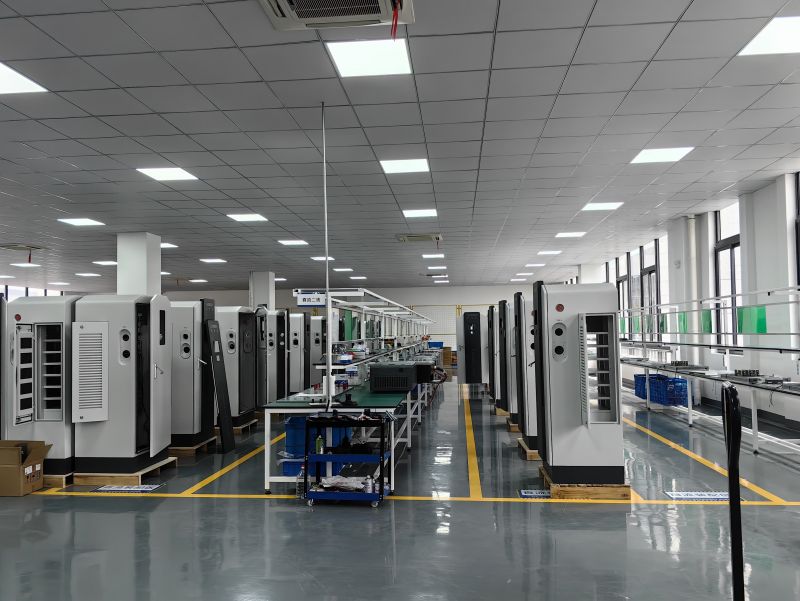
  • Automated Production Lines: Complete control from automated copper terminal cutting to CNC casing fabrication guarantees dimensional tolerances within microns.
  • Cost-Optimized Sourcing: Direct component purchasing pathways allow us to provide competitive rates without compromising structural integrity.
  • Customization Capability: We offer tailored terminal layouts, varying cable lengths (TPU/Silicone), and corporate branding packages for developers in Chittagong.
Automated EV Charging Connector Assembly Line
Quality Assurance Pipeline

EVSE Production & Verification Flow

Our step-by-step industrial engineering procedure guarantees compliance with all relevant ISO, CE, and TUV quality metrics.

01

Material Cutting

Laser and CNC cutting of sheet metals and high-conductivity copper terminal blocks to specification tolerances.

02

Sheet Metal & Cabinetry

Precision bending and fabrication of structural cabinets, ensuring IP54/IP55 environmental protection ratings.

03

Electrical Integration

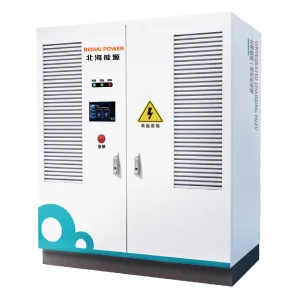
Precise wiring, assembly of core components, and integrating high-frequency rectifying modules into systems.

04

Functional Testing (FVT)

Full-scale automated testing protocols including insulation barrier checks, high-voltage leakage, and thermal stress tests.

Quality Assured

International Compliance & Certificates

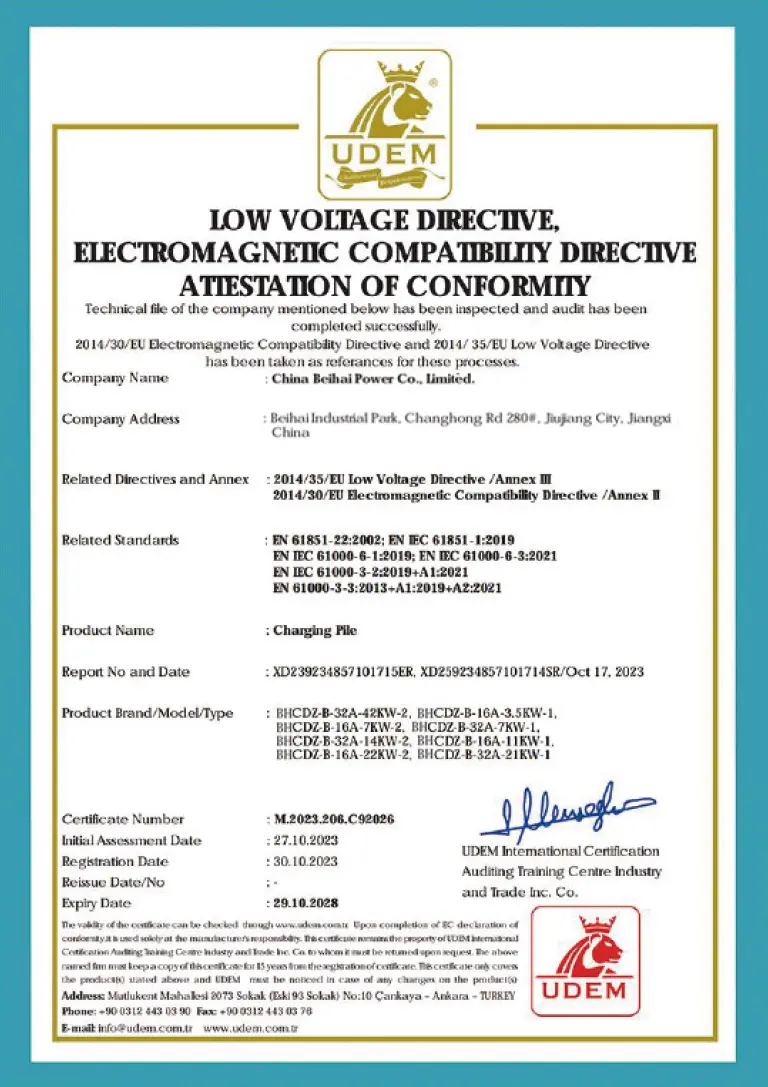
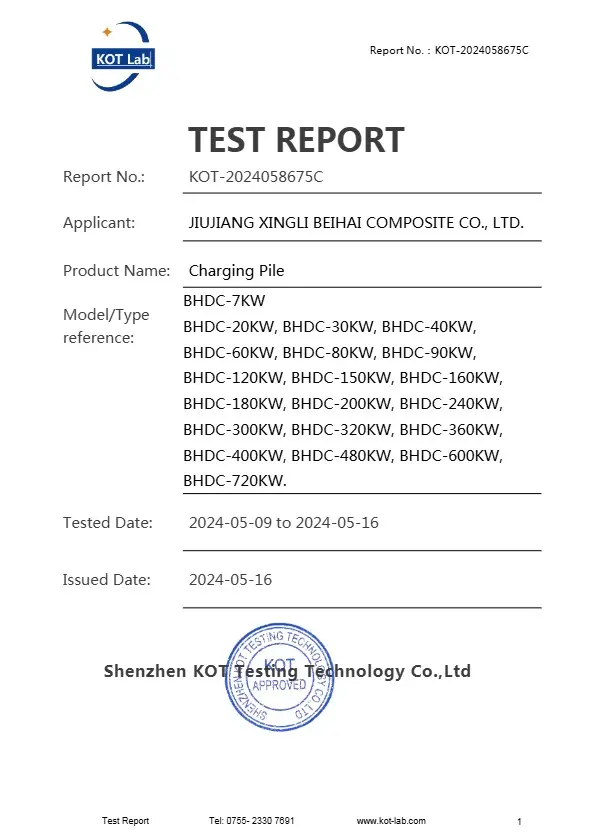
Our engineering facility complies strictly with top-tier international safety standards, making import clearance simple and straightforward.

Compliant and Rigorously Evaluated

Our production facilities maintain certifications from global testing organizations, confirming that every batch of EV connectors meets the structural, thermal, and electrical safety standards required for distribution in Europe, North America, and South-East Asia.

This includes comprehensive verification against ISO 9001 quality management guidelines, ensuring high reliability and structural durability for fleet deployment under challenging operating parameters.
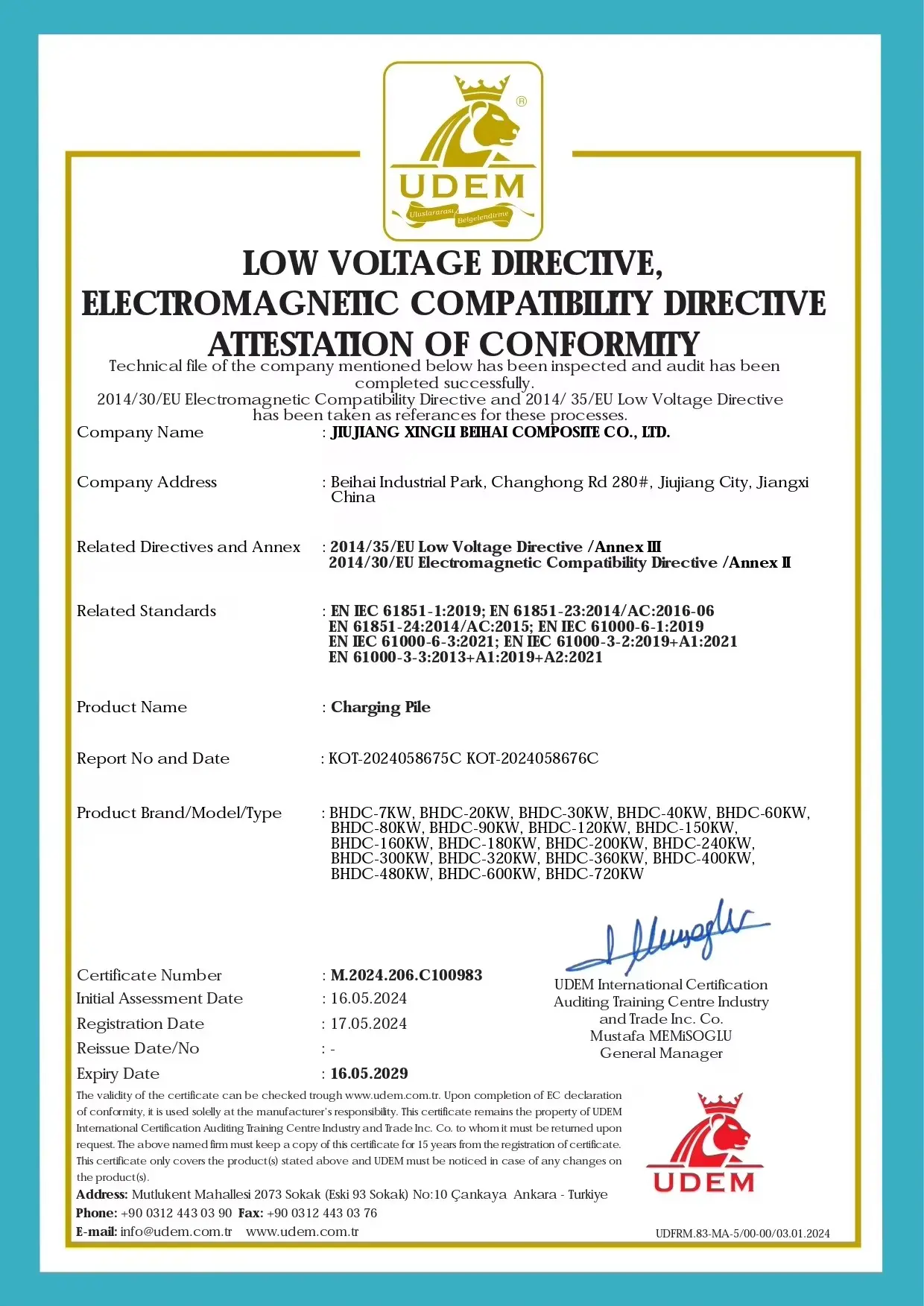
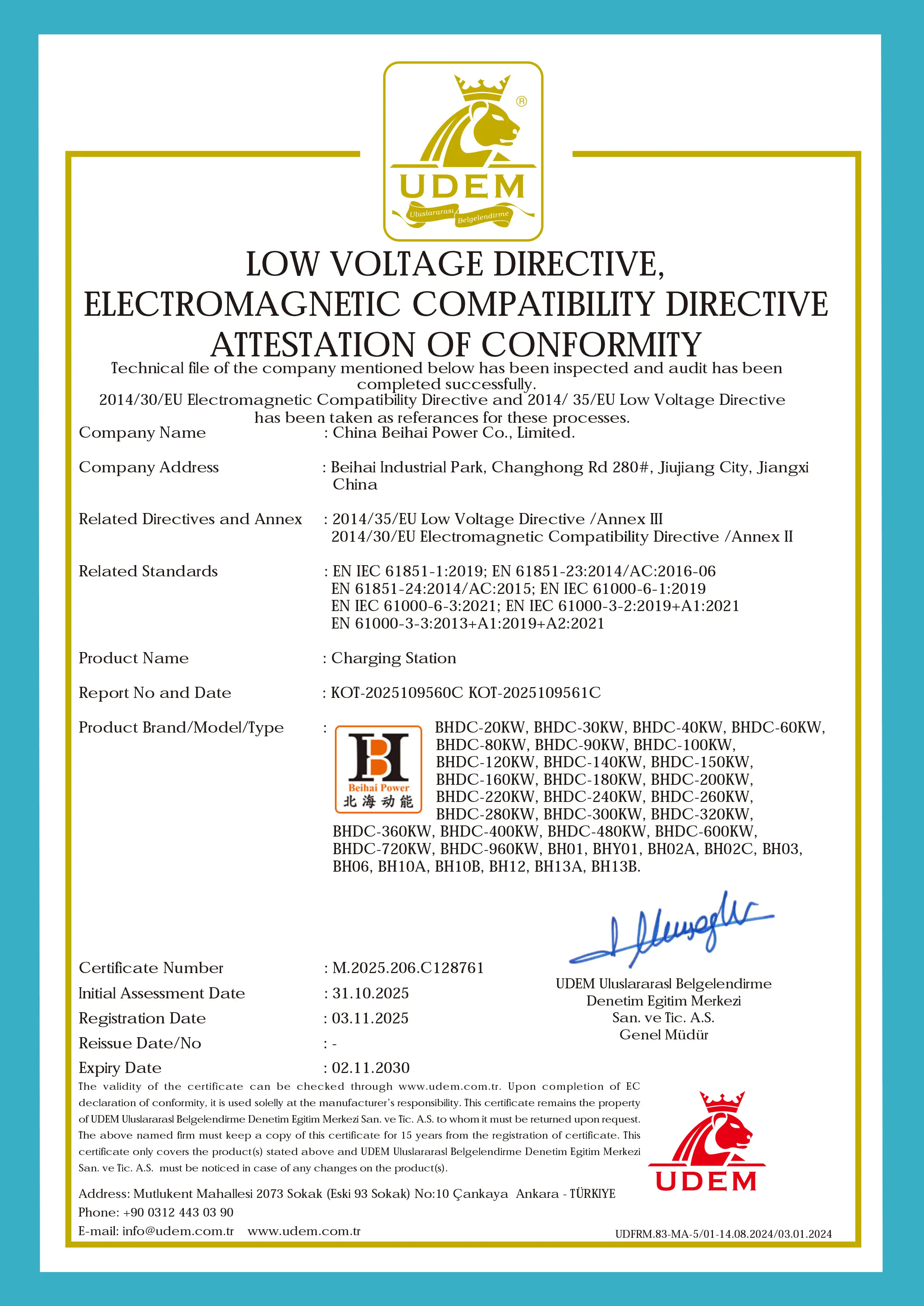
Certification 1 Certification 2 Certification 3 Certification 4 Certification 5
Expert Advice

EV Connector Technical Q&A

Find answers to key technical questions on structural compatibility, environmental resistance, and importing parameters.

Q1: How do EV charging connectors withstand the saline and high-humidity environment of Chittagong? +
Our connectors utilize premium copper-alloy contacts coated with a thick silver-plated layer (minimum 5μm thickness). This provides excellent conductivity and robust defense against oxidation and salt-spray corrosion typical in maritime areas like Chittagong. Additionally, the outer casings are manufactured from high-impact, fire-resistant polycarbonate (UL94 V-0 rated) to resist UV degradation and maintain a secure IP67 dust-tight and moisture-proof seal.
Q2: What is the primary difference between CCS2 and GB/T connectors, and which one is better suited for Bangladesh? +
CCS2 (Combined Charging System Type 2) is the common standard for European and regional public charging networks, incorporating both AC and fast DC charging in a single port. GB/T is the Chinese national standard, used on many imported electric utility buses and Chinese EVs. For fleet operators in Bangladesh, the choice depends on your vehicles. We supply both standards with built-in safety interlocks to prevent premature decoupling under load.
Q3: Why is liquid-cooling essential for high-power DC charging (above 150kW) in tropical climates? +
High-current DC transfer generates substantial thermal energy. In tropical regions with high ambient temperatures, passive air cooling may not suffice to prevent thermal throttling. Liquid-cooled connectors use integrated coolant circulation paths alongside the power cables, keeping temperatures stable even during continuous 400A to 500A outputs. This helps protect the vehicle battery and maintains high charging speeds.
Q4: How does Beihai Power ensure the safety of its connectors against grid fluctuations in Chittagong? +
Our components are designed to work alongside protective circuits inside the charging pile, featuring integrated temperature sensors (PT1000) on the power pins. These provide real-time thermal monitoring, allowing the control system to reduce the current or pause charging if overheating is detected due to high resistance or voltage surges.