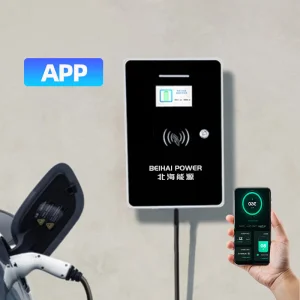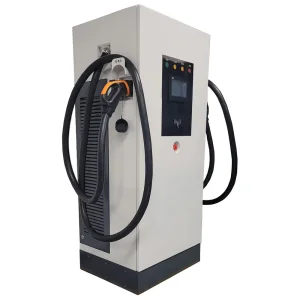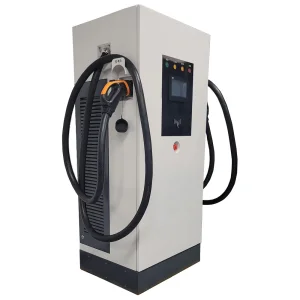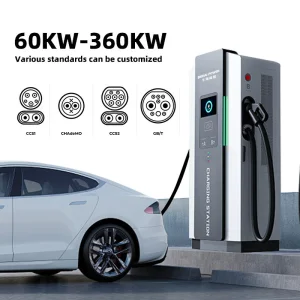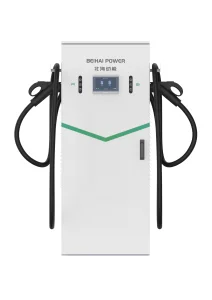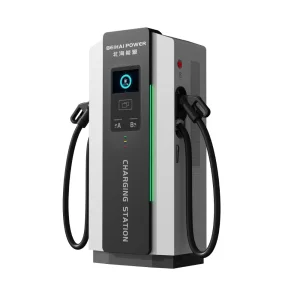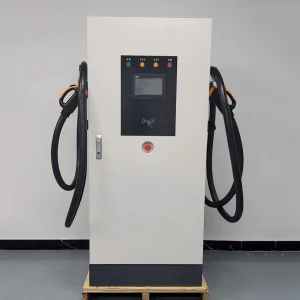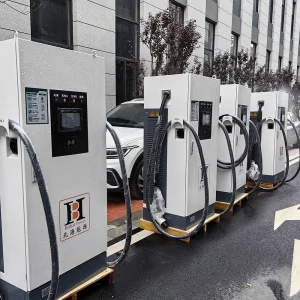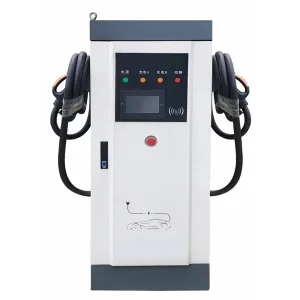
Our high-capacity industrial systems deliver maximum uptime and modular power configurations compliant with universal standards.
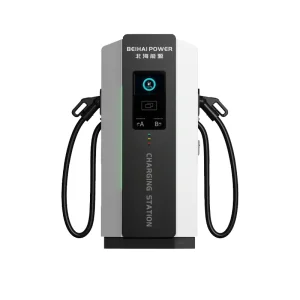
Beihai Power (China Beihai Power Co., Ltd.) is a specialized manufacturer dedicated to the innovation of DC fast-charging technology and smart AC charging systems. We successfully bridge the gap between complex municipal utility capabilities and reliable commercial charging infrastructure. Our footprint spans across Central Asia, Southeast Asia, the Middle East, Europe, Africa, South America, and North America.
Our core engineering mission addresses three critical challenges of electric vehicle charging: charging efficiency, thermal safety management, and grid integration stability. By designing and manufacturing our own high-efficiency integrated power control modules, we deliver advanced power systems that assure rapid, safe, and continuous energy transfer under extreme operations.

Addressing macro-level bottlenecks: grid overload, operational downtime, and remote deployment limits.
With smart AC and DC fast chargers utilizing OCPP 1.6J / 2.0.1 protocols, we enable peak shaving solutions. Our power systems dynamically throttle outputs based on real-time grid feedback, safeguarding industrial plants and site circuits from high energy surcharges.
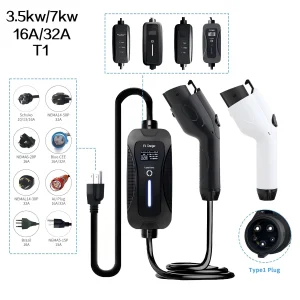
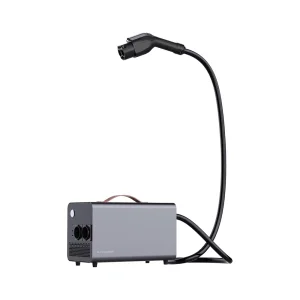
Our V2L and V2H technologies deliver off-grid energy stability. By enabling a continuous 7.5kW discharge from electric vehicle batteries to remote machinery, we empower disaster response, military field applications, and off-grid construction sites.
Engineered for high thermal tolerance, our cabinets and internal modules operate seamlessly in ambient temperatures from -30°C in Central Asia to over 55°C in Middle Eastern deserts, utilizing dynamic air-cooling or liquid-cooling manifolds.
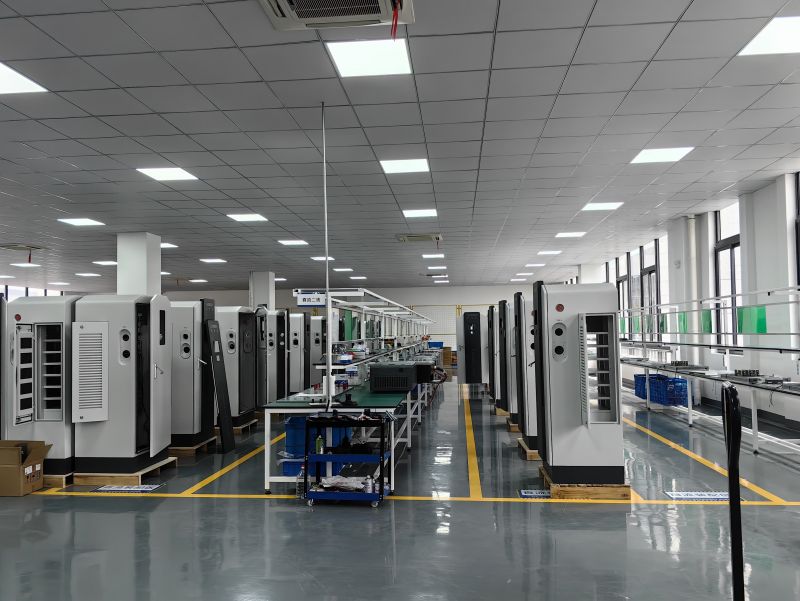
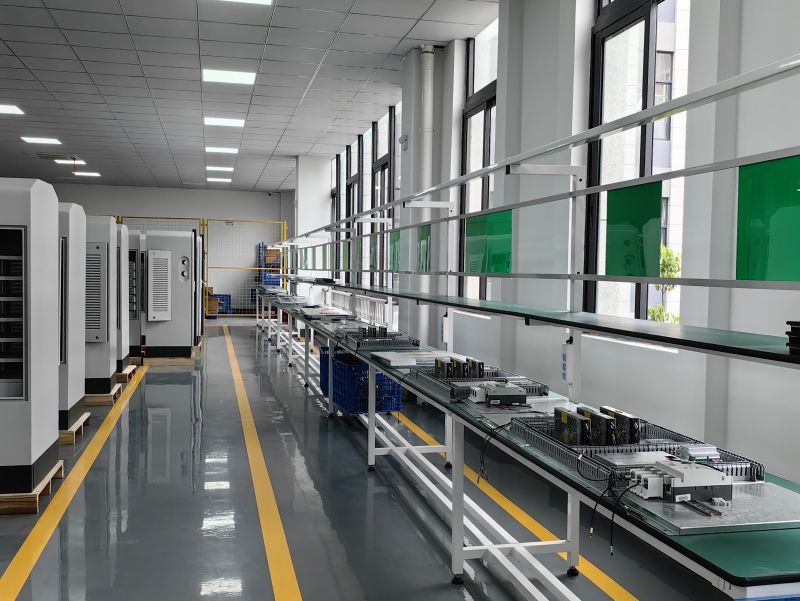
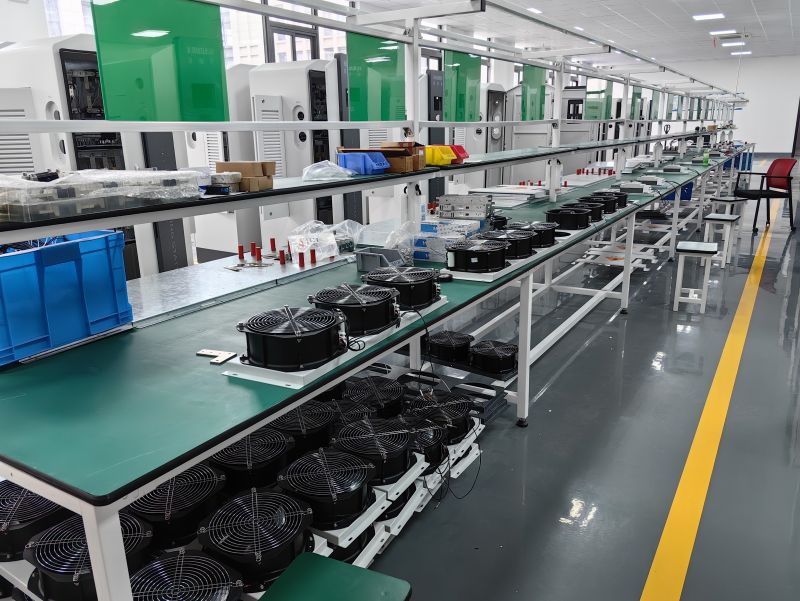
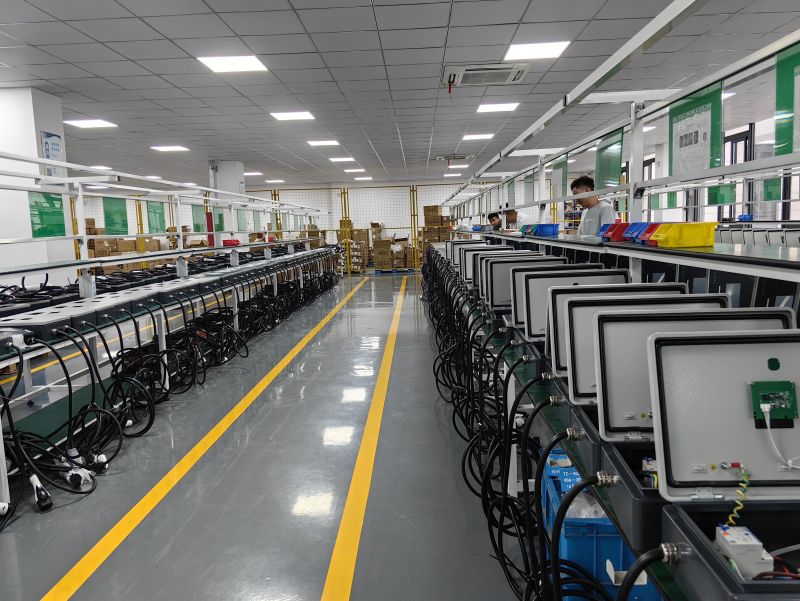
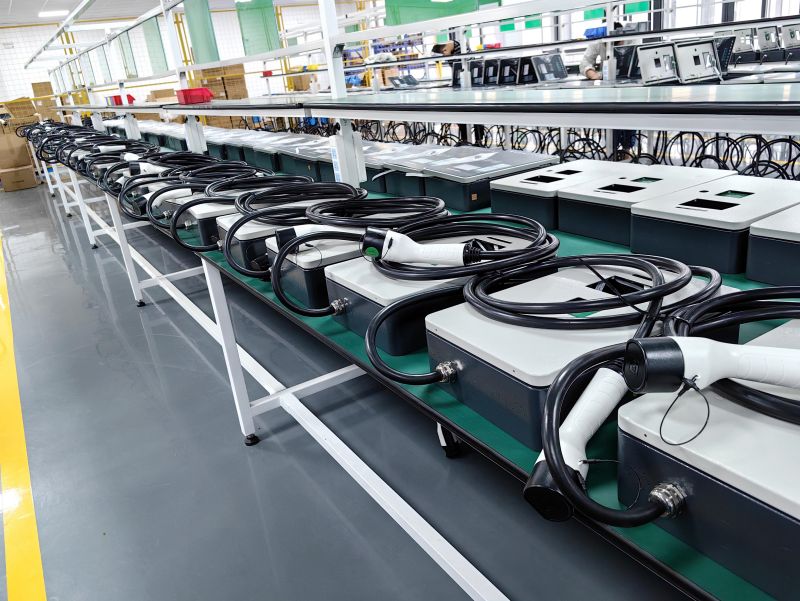
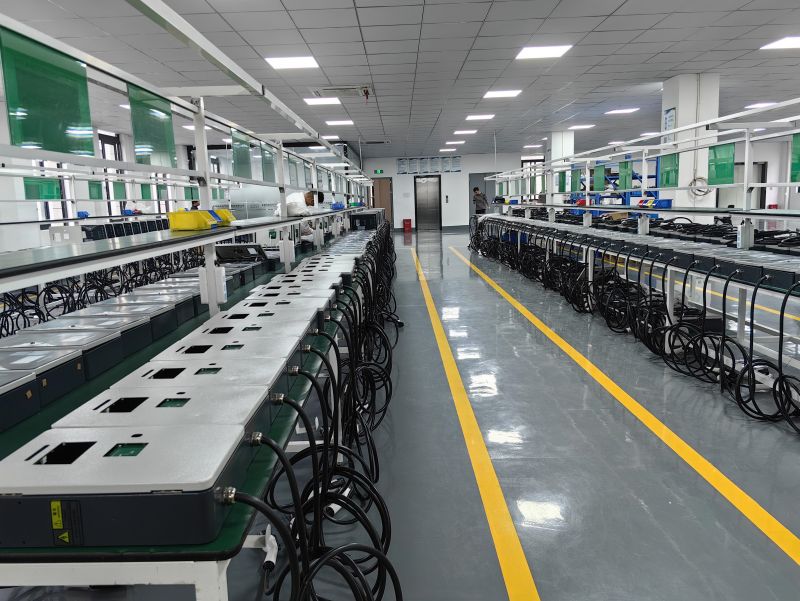
How our factory guarantees high-precision assembly and structural integrity across heavy-duty equipment.
Advanced fiber-laser machining centers process thick structural alloys, ensuring precise panel cutouts and minimal material deformation.
High-precision bending, robotic welding, and anti-corrosive powder coating form IP54-rated external enclosures designed for decades of outdoor operations.
Integration of heavy copper busbars, surge protectors, AC/DC distribution contactors, and high-frequency transformer modules.
Precise mounting of circuit boards, thermal sensors, cooling fans, and proprietary communications controllers inside the energy conversion units.
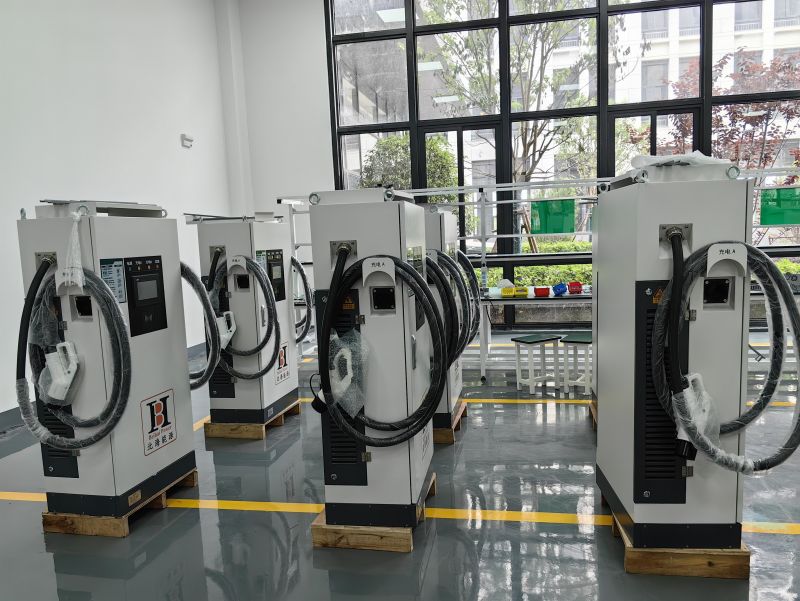
Clean structural wiring layout, high-torque screw connections, insulation spacer assemblies, and installation of charging gun cables.
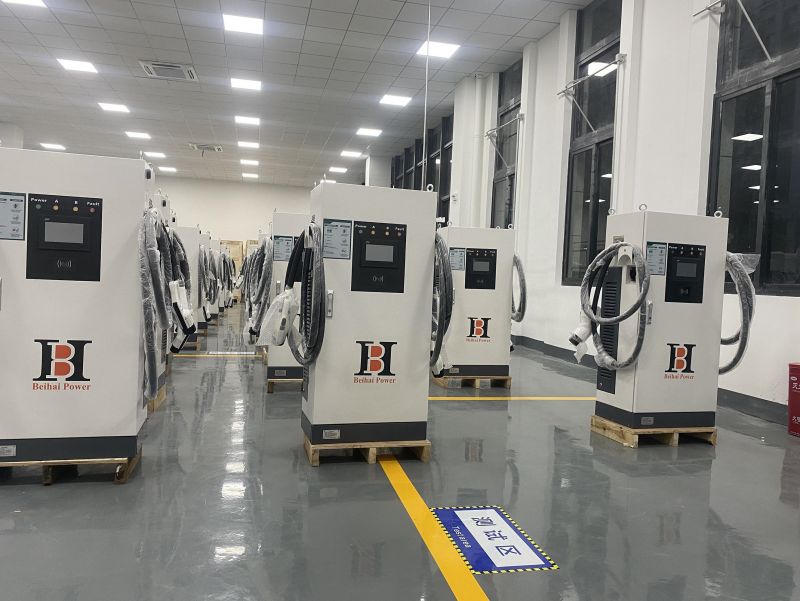
Full Unit Functional Validation Testing under high-voltage load profiles. Rigorous testing checks electrical safety, insulation resistance, and software protocols.
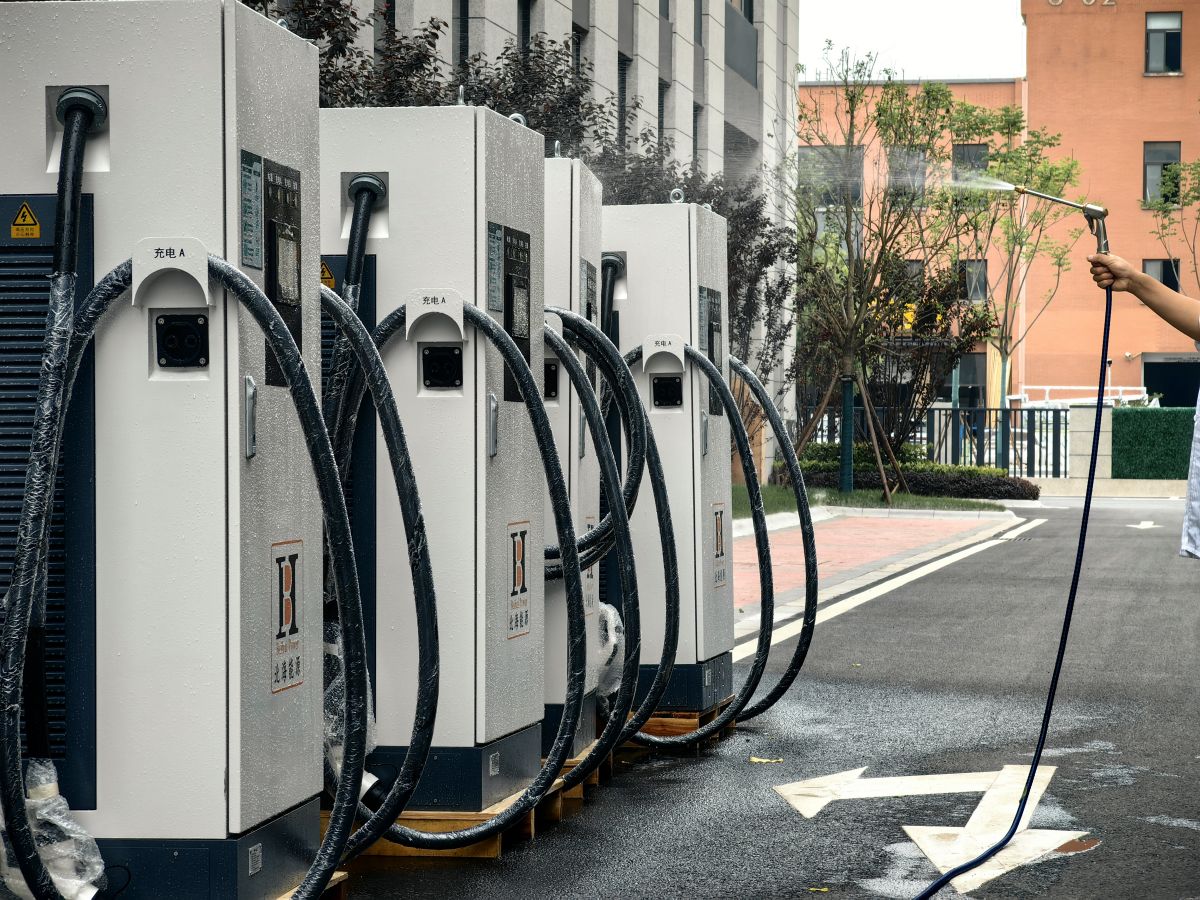
We do not provide rigid, off-the-shelf equipment. Beihai Power specializes in bespoke configurations engineered to integrate directly with regional grid requirements and local vehicle platforms. Our recent successful deployments include:
Our commitment to localized engineering includes full-lifecycle support. From your RFQ, our structural, mechanical, and electrical engineers collaborate with you to deliver site-specific compliance, seamless integration, and post-sales technical consulting.
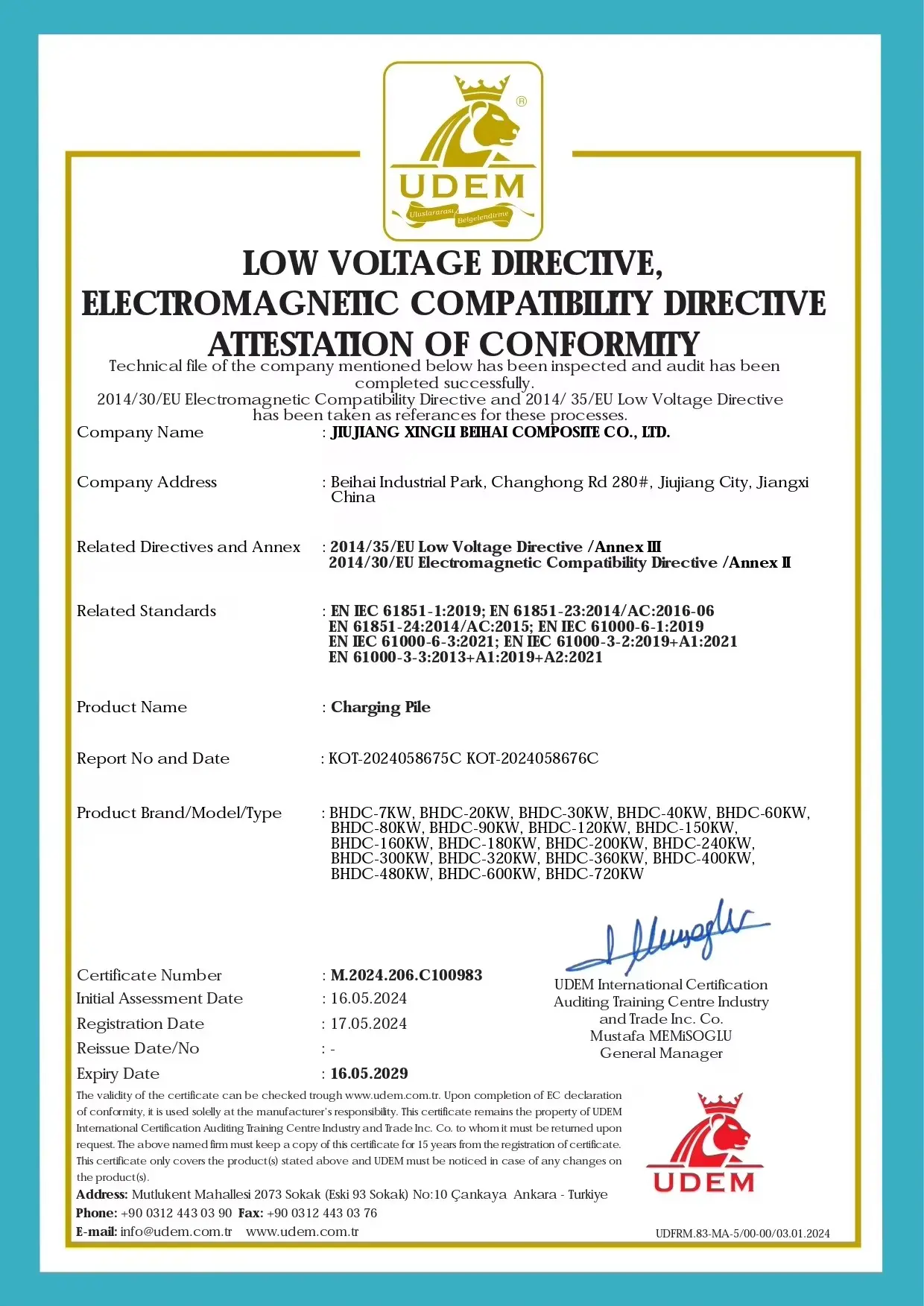
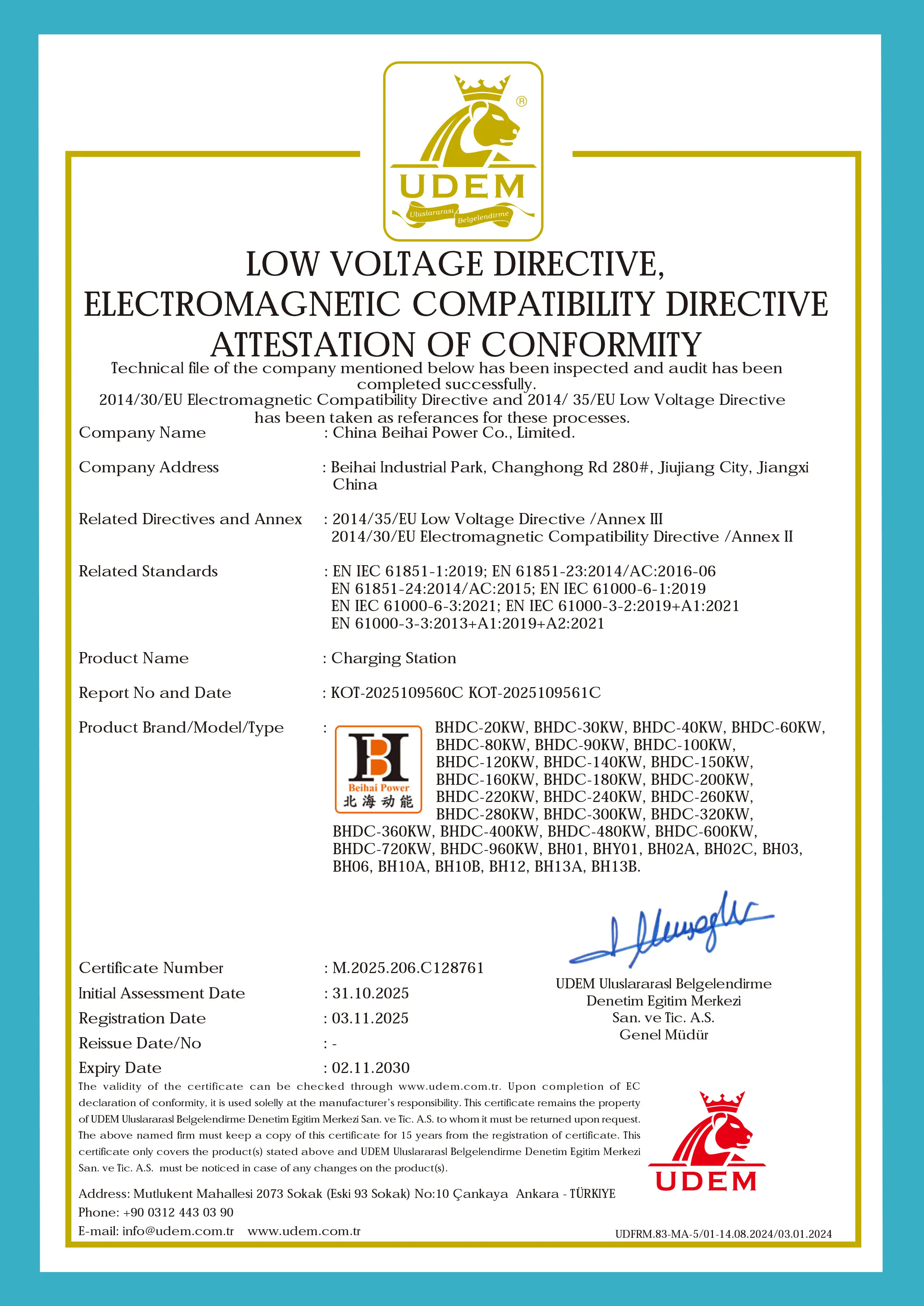
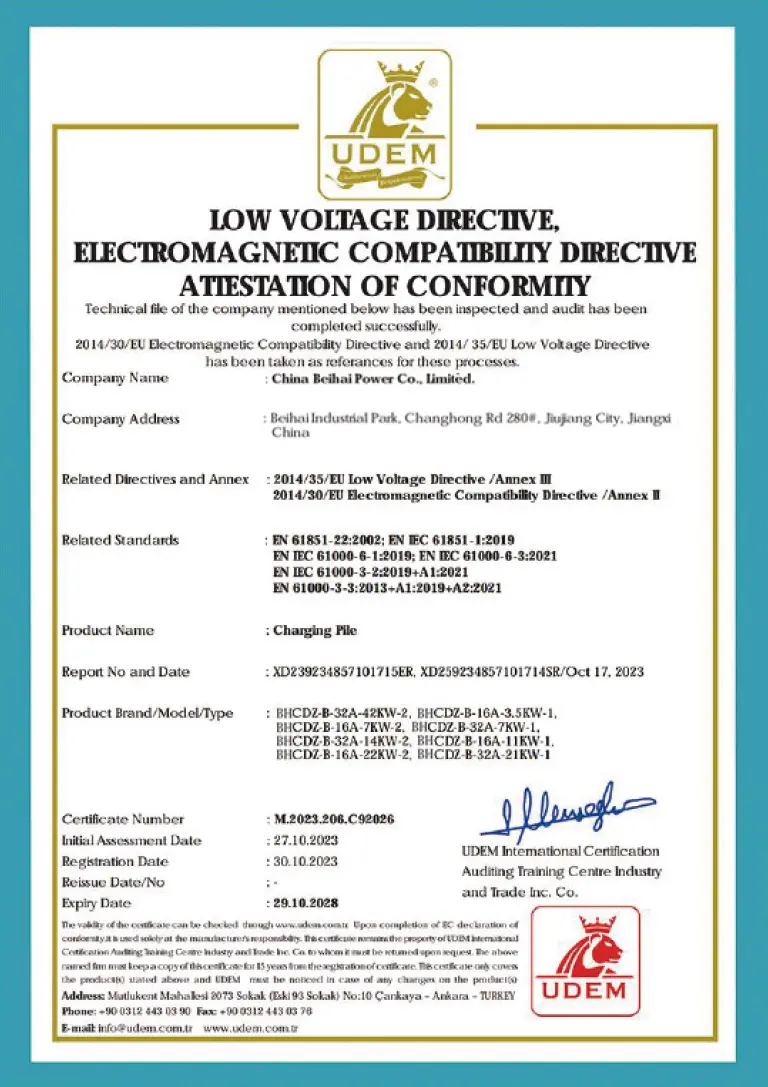
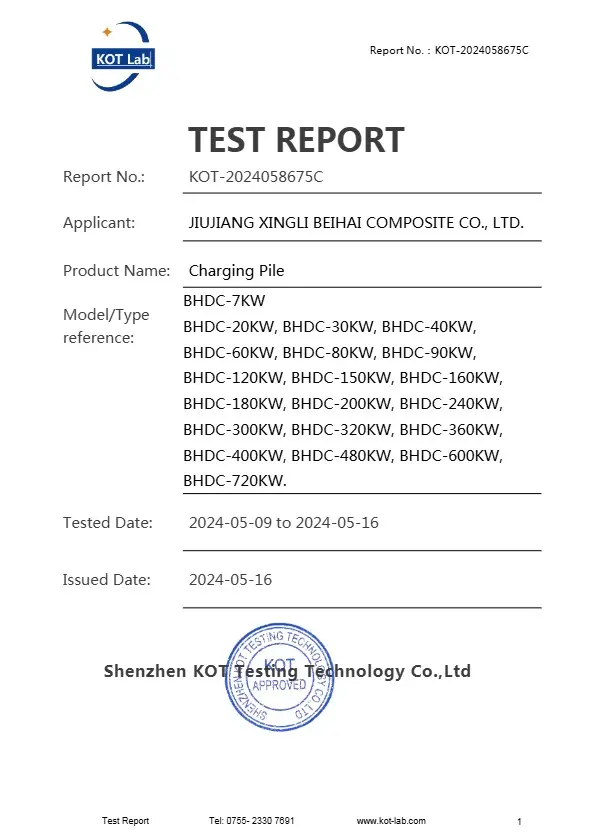
Beihai Power systems adhere to rigorous global certification standards, including CE, TUV, and ISO frameworks.

We are pushing past current limits by integrating solid-state cell architecture and extreme low-temperature resilience.
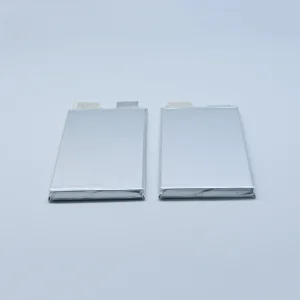
Leveraging our 13Ah solid-state lithium-ion battery technology, our engineering department is pioneering lightweight mobile storage units. These offer up to 40% higher volumetric energy density compared to traditional cylindrical packs.
Our ultra-cryogenic cell design operates in the absolute coldest climates. This prevents thermal slowdowns in Arctic transport networks, commercial cargo drones, and military VTOL aircraft operating at high elevations.
Future high-power units will feature ultra-lightweight liquid-cooled cables. This will enable safe, high-current transfer (up to 500A) without increasing gun weight or cord thickness, making it easier for commercial operators to handle.
Addressing crucial engineering, regulatory, and mechanical questions for EV charging infrastructure procurement.
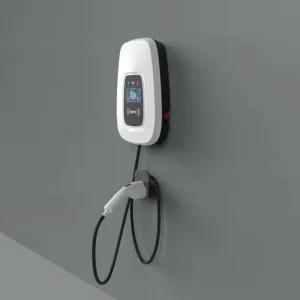
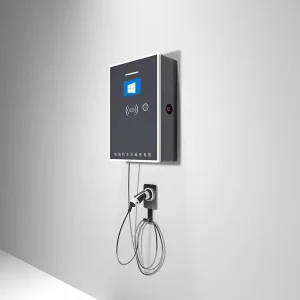
Bespoke home-use wallboxes, highly portable vehicle-to-load systems, and specialized solid-state cells.