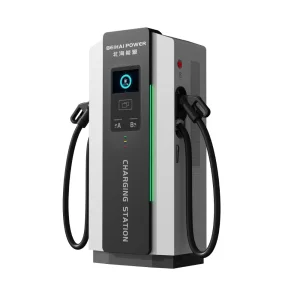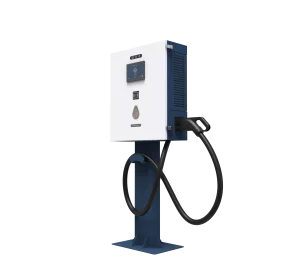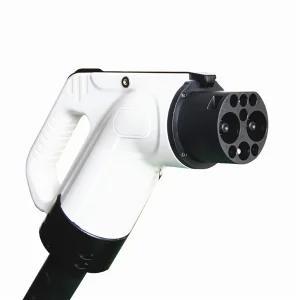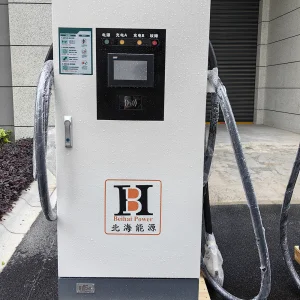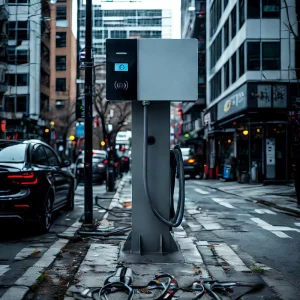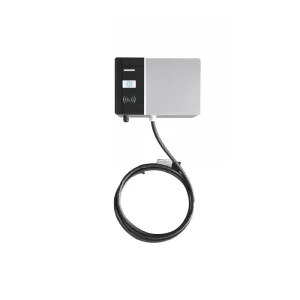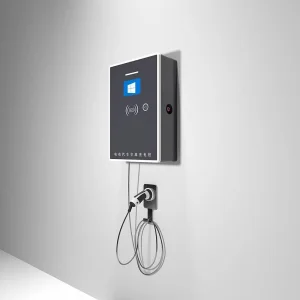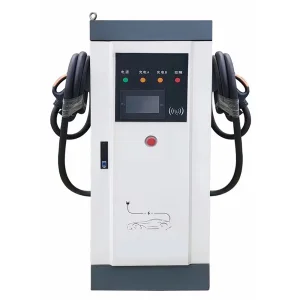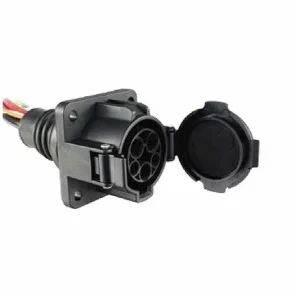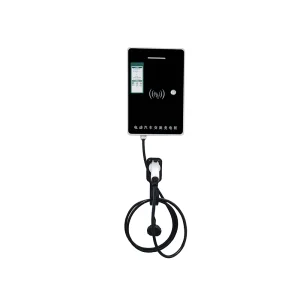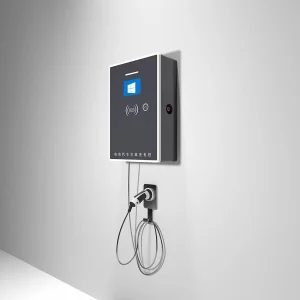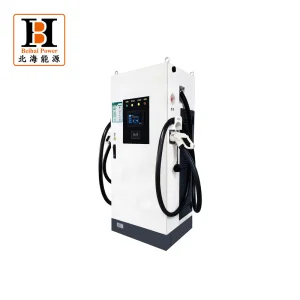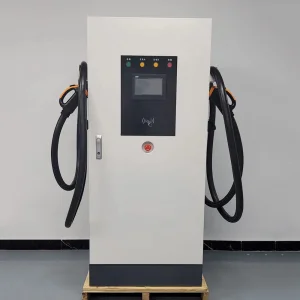
Industrial-grade EVSE hardware designed for public, commercial, and fleet applications.
An In-depth Analysis of the Technological Evolution and Market Dominance of Chinese EVSE Manufacturers.
As global electric vehicle adoption reaches a tipping point, the demand has shifted from basic Level 2 AC charging to Mode 4 DC Fast Charging. Mode 4 refers to a charging method where the AC current from the grid is converted to DC within the charging station itself, bypassing the vehicle's limited onboard charger to deliver energy directly to the battery pack.
This technology is the backbone of highway charging corridors and commercial fleet depots. With power outputs now scaling from 30kW to a massive 720kW, China’s manufacturers are leading the charge in reducing "range anxiety" and enabling long-distance EV travel through high-efficiency power modules and liquid-cooling technologies.
Efficiency Rate of our Silicon Carbide (SiC) Power Modules
Wide Voltage Range supporting SUVs, Trucks, and Buses
Modern Mode 4 factories are transitioning to 800V system compatibility, V2G (Vehicle-to-Grid) bi-directional charging, and AI-driven load balancing to protect grid integrity during peak demand.
With OCPP 1.6J and 2.0.1 integration, our chargers provide secure data transmission, remote diagnostics, and seamless payment gateway compatibility for global operators.
Adapting to regional grids—from 50Hz to 60Hz and varying grounding systems—ensures that Chinese-manufactured chargers perform reliably in the USA, Europe, or Southeast Asia.
Why China remains the global hub for EV charging infrastructure production.
The dominance of Chinese Mode 4 EV charger factories is not merely a result of scale, but of unmatched supply chain vertical integration. From the sourcing of raw copper for high-amperage cables to the precision manufacturing of power electronic controllers, the industrial clusters in regions like Guangdong and Zhejiang allow for rapid prototyping and mass production that Western facilities struggle to match.
Supply Chain Clusters: Within a 50km radius of our facility, we have access to specialized sheet metal fabricators, PCB assembly houses, and thermal management specialists. This proximity reduces lead times for custom orders—such as our recent 24-unit deployment to Uzbekistan—by up to 40% compared to international competitors.
Information Gain: While many suppliers act as mere assemblers, elite manufacturers like Beihai Power focus on the inner module engineering. By controlling the firmware and hardware of the charging module, we offer "Information Gain" to our clients—providing deeper telemetry data, better thermal overhead, and the ability to update units remotely to support new vehicle communication protocols like ISO 15118 (Plug & Charge).
Labor Synergy: The integration of automated robotic welding for charger cabinets alongside expert manual inspection for complex electrical wiring ensures a product that is both structurally robust and electrically flawless. This dual approach handles the rigors of IP54 and IK10 environmental protection ratings required for harsh outdoor climates.
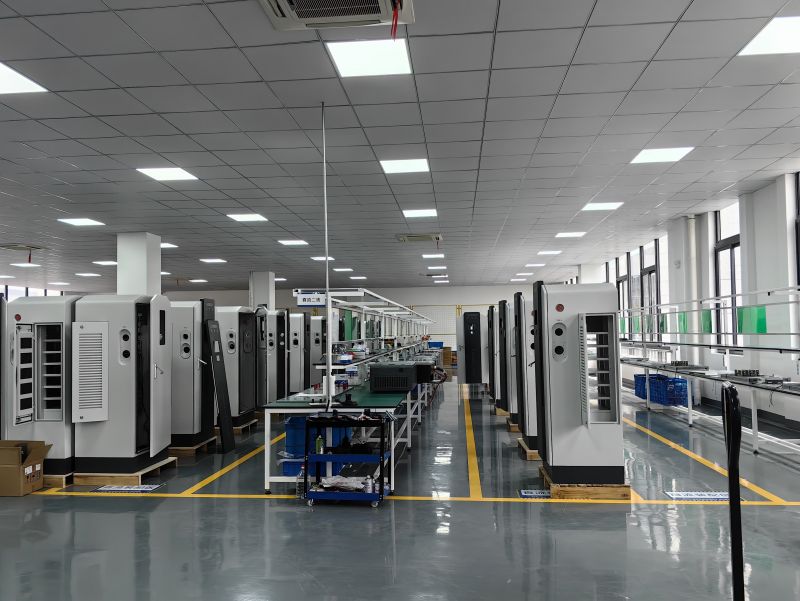
Beihai Power is a specialized manufacturer dedicated to the innovation of DC fast-charging technology and smart AC charging technology. We bridge the gap between complex energy requirements and reliable infrastructure delivery for governments and commercial clients across Central Asia, Southeast Asia, the Middle East, Europe, Africa, South America, and North America.
Our core mission is to solve the critical challenges of charging speed, system reliability, and grid integration. By focusing on the performance of our integrated charging modules, we provide high-efficiency power solutions that ensure faster, safer, and more stable energy transfer for large-scale vehicle infrastructure projects.
We prioritize the performance of our integrated charging modules, ensuring our stations outperform industry standards.
Proven success in executing complex government infrastructure projects across Central Asia and beyond.

Mode 4 chargers engineered for diverse environments and global standards.
Optimized for shopping malls and public parking, our 30kW-60kW units offer a "fast top-up" service while users shop, maximizing commercial dwell time.
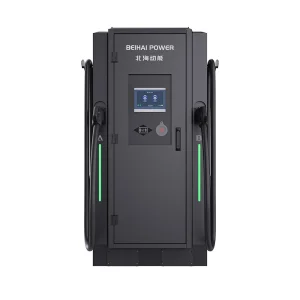
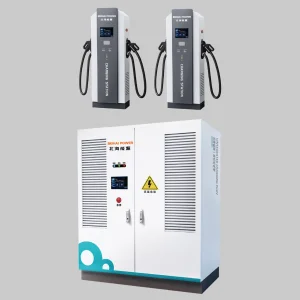
Our 360kW liquid-cooled split charging stations are designed for SUV/Truck fleets, supporting simultaneous high-current charging for multiple large-capacity batteries.
Custom 150kW solutions integrated into commercial vans for emergency roadside assistance, developed specifically for US and Colombian grid requirements.
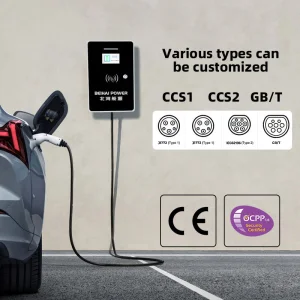
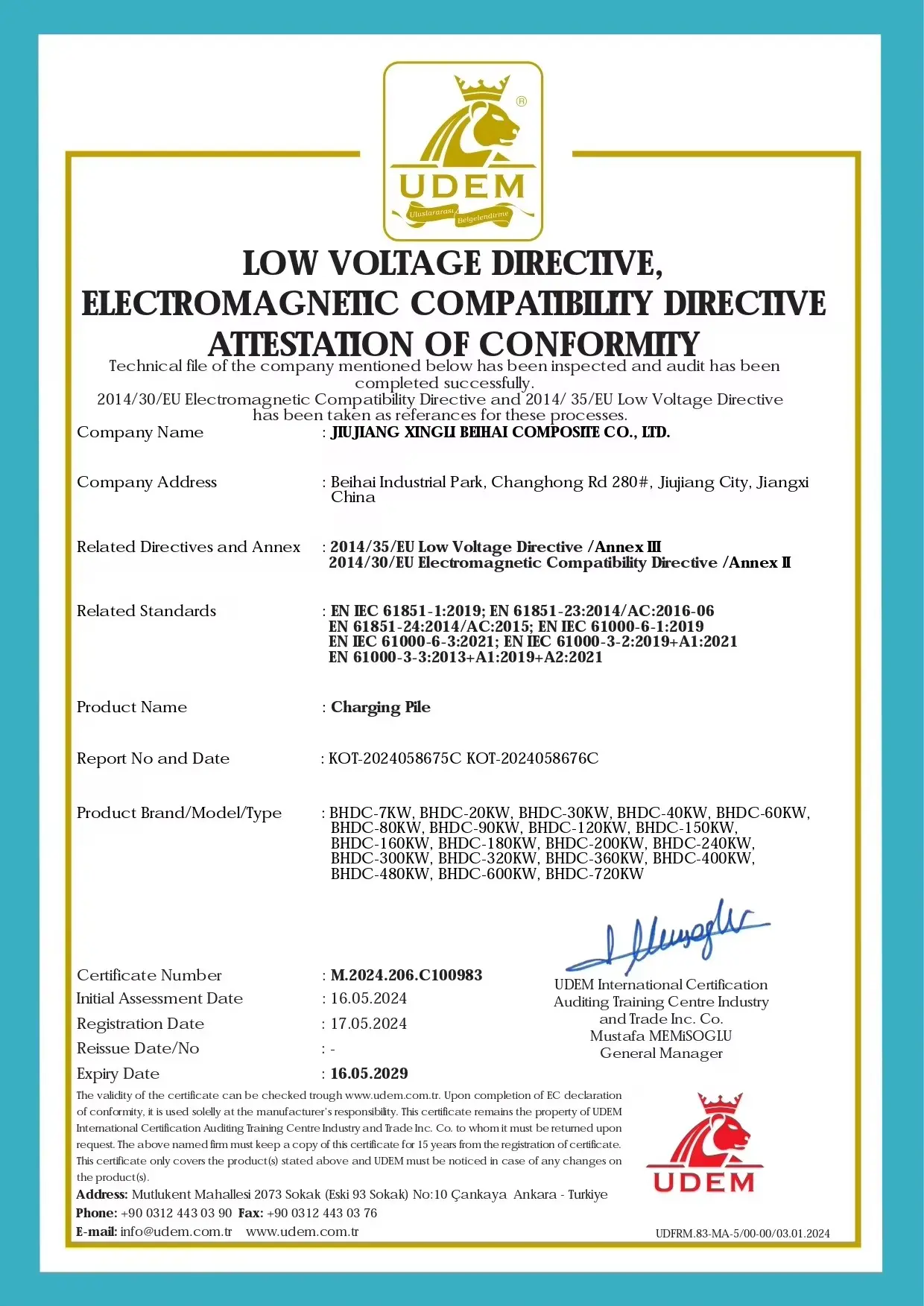
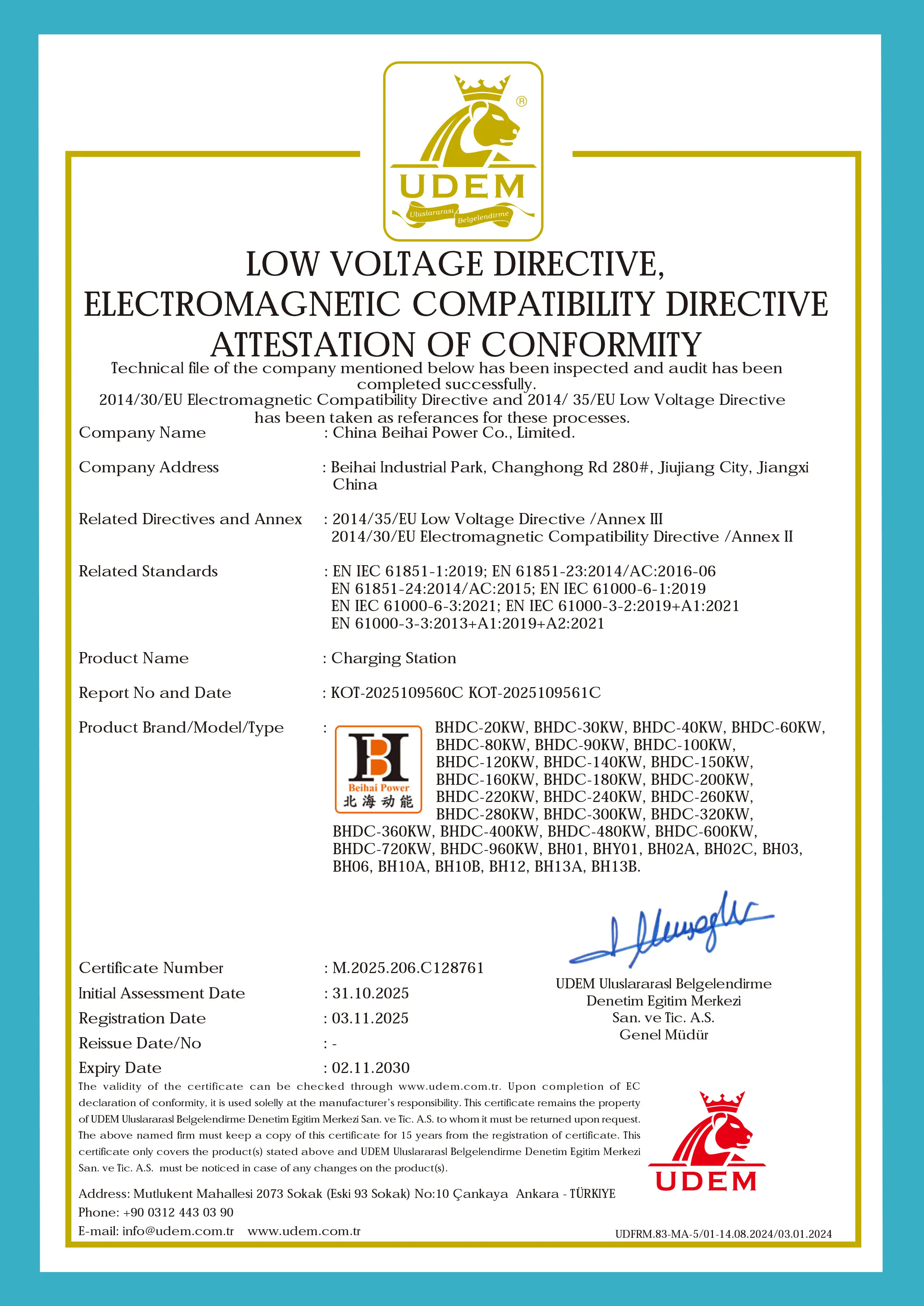
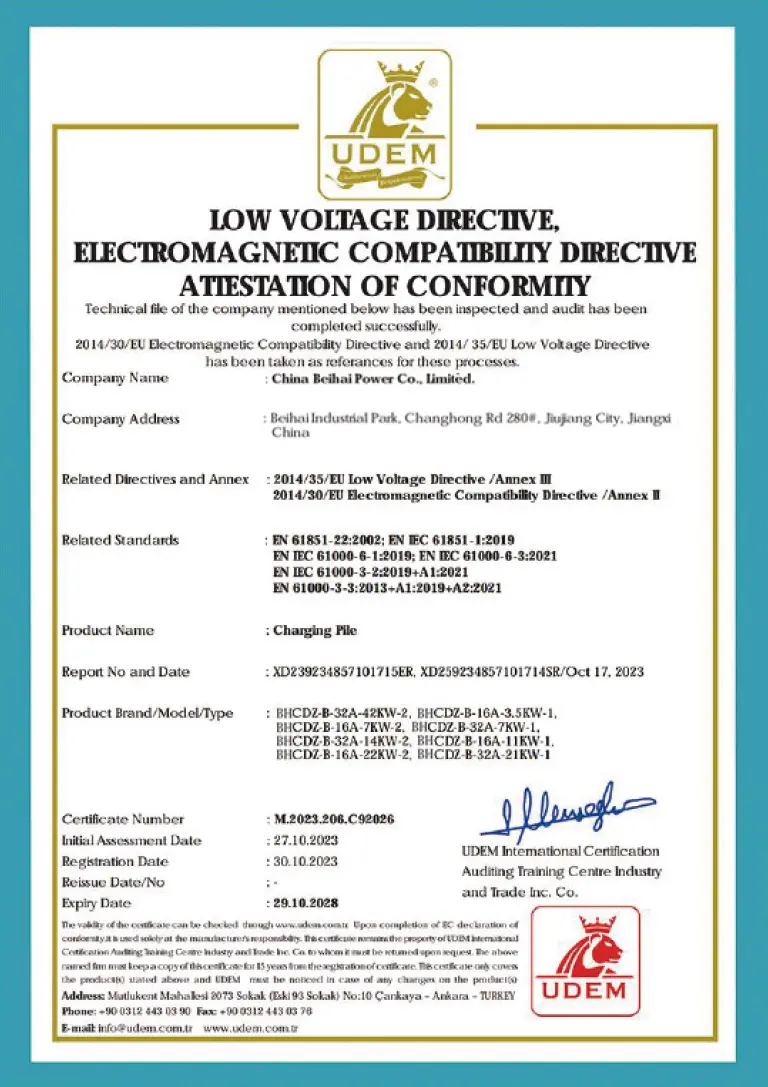
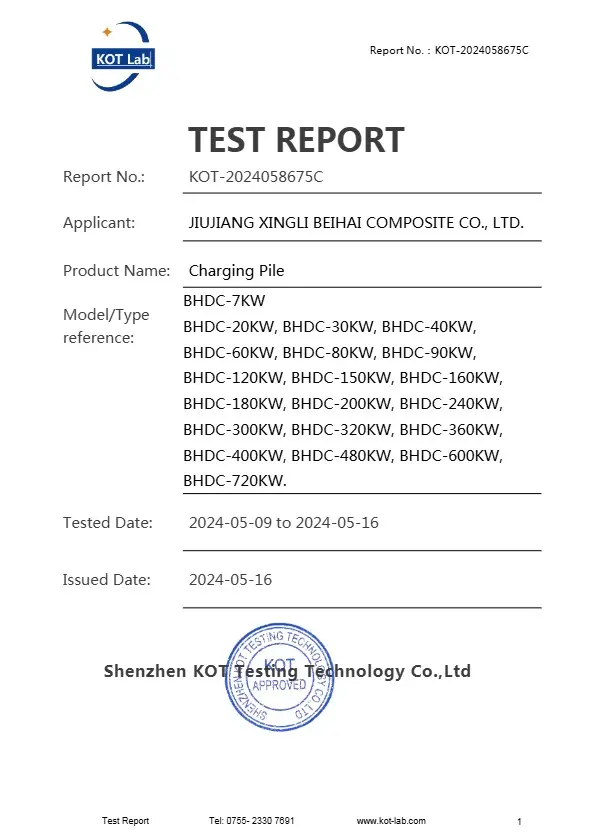
Navigating the complex world of EVSE certification is a core competency of Beihai Power. Our products are engineered to comply with:
Insights for professional buyers and infrastructure developers.
Our commitment to quality is backed by international certifications.

From portable solutions to high-voltage industrial hubs.