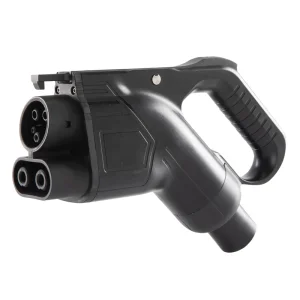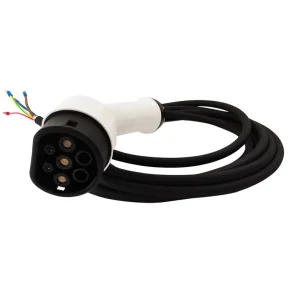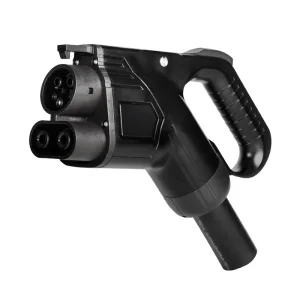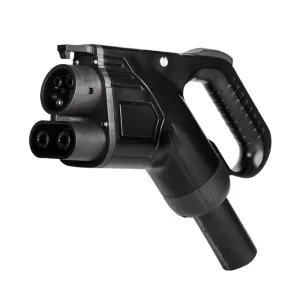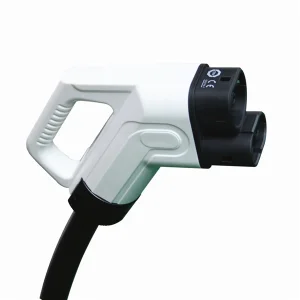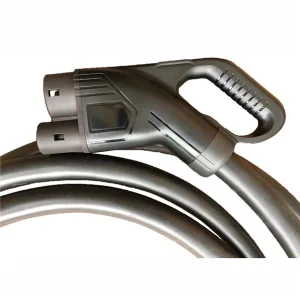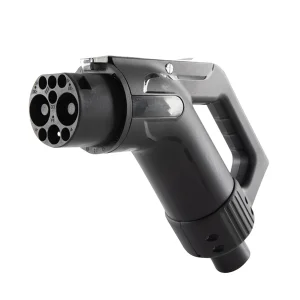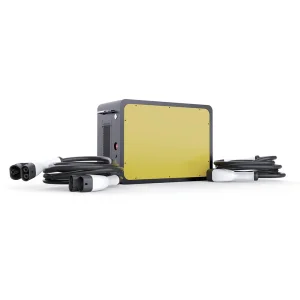
Engineered to comply with EWA regulations and withstand high ambient operating temperatures.
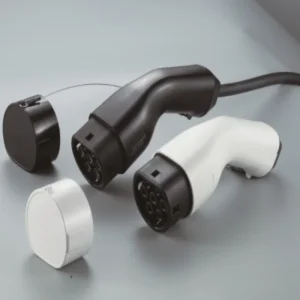
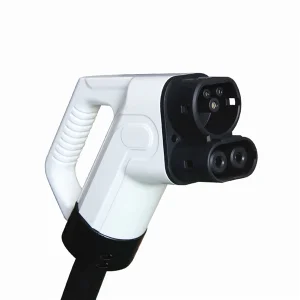
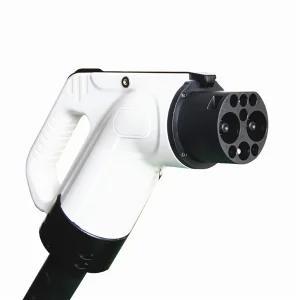
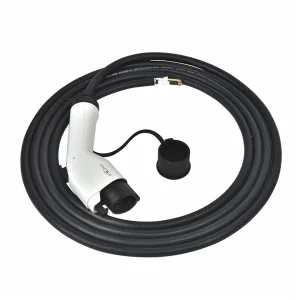
The Kingdom of Bahrain is embarking on a decisive transformation of its mobility sector, aligned closely with the **Bahrain Economic Vision 2030**. Guided by the Sustainable Energy Authority (SEA) and the Ministry of Electricity and Water Affairs (EWA), the nation is actively establishing a resilient, decentralized charging grid. As the geographic and logistic gateway to the northern Gulf region, Bahrain's push towards clean public transit, commercial fleets, and private passenger Electric Vehicles (EVs) demands charging components capable of unparalleled thermal and physical durability.
Developing infrastructure in the GCC region, specifically in urban centers like Manama, Riffa, and Muharraq, presents unique challenges. Electrified infrastructure relies fundamentally on the mechanical and thermal integrity of the physical interface: the EV charger connector. When high-amperage current flows through connector pins under direct desert solar radiation, thermal management becomes the primary engineering challenge. Beihai Power (China Beihai Power Co., Ltd.) delivers custom, industrial-grade EV charging connectors that mitigate these regional challenges, securing systemic operational efficiency.
Standard charging hardware faces rapid degradation in climates where ambient temperatures routinely exceed 45°C. Without robust thermal management, contact resistance rises, triggering automatic power derating or safety shutdowns. Our connectors leverage advanced silver-plated copper alloy pins and high-grade TPU cable jackets, certified to perform under extreme ambient conditions.
With the expansion of the King Fahd Causeway and the planning of the King Hamad Causeway, heavy-duty logistics and transport between Bahrain and Saudi Arabia represent a primary target for electrification. This corridors-based logistics paradigm demands high-power DC fast-charging terminals capable of quick turnaround times.
For industrial operators, commercial ports (such as Khalifa Bin Salman Port), and public bus systems run by the Ministry of Transportation and Telecommunications (MTT), infrastructure durability directly impacts profitability. If a high-power connector fails due to dust ingress or contact wear, the entire charging stack is rendered useless. Consequently, local EPC (Engineering, Procurement, and Construction) firms and global investors are shifting away from baseline consumer products toward heavy-duty, certified connectors that guarantee 10,000+ mating cycles under high particulate concentration.
Additionally, residential and commercial real estate developers in areas like the Seef District and Amwaj Islands are increasingly installing smart AC charging units. These facilities require dual-standard compatibility—frequently combining European standard Type 2 IEC 62196-2 ports with CCS2 (Combined Charging System Type 2) DC fast chargers. Meeting these diverse system architectures requires a manufacturing partner capable of supplying multiple configurations with uniform reliability.
Global procurement directors face significant challenges in supply chain predictability, strict compliance certifications, and localized technical support. Importing EV charging infrastructure into Bahrain requires conformity to the GCC Standardization Organization (GSO) regulations and local EWA standards. Common pitfalls include buying connectors that fail safety audits due to lack of CE/TUV documentation or poor material traceability.
Beihai Power acts as a strategic manufacturing partner rather than a simple supplier. We provide:
To deliver information gain to engineering teams, it is vital to understand the physics of high-power charging. Heat generation in a charging connector is represented by Joule's Law:
Where Q is heat energy, I is charging current, R is the total electrical resistance (primarily across the pin-sleeve mating interface), and t is time. In a 500A liquid-cooled CCS1 or CCS2 connector, even a fraction of a milliohm of contact resistance can generate significant heat.
To prevent thermal runaway, Beihai Power implements a multi-layered prevention strategy:
As an industry-leading manufacturer, Beihai Power guarantees compliance with global benchmarks, including IEC 62196, SAE J1772, and GB/T standards. Our production plant carries ISO 9001, ISO 14001, and ISO 45001 certifications. We maintain a technical support network capable of responding to regional inquiries with localized engineering expertise. By validating our supply chain and manufacturing processes, we ensure that every client receives a reliable product optimized for long-term field operation.
Mating Cycles Certified
Max Continuous Current
Environmental Protection Rating
Global Destination Markets
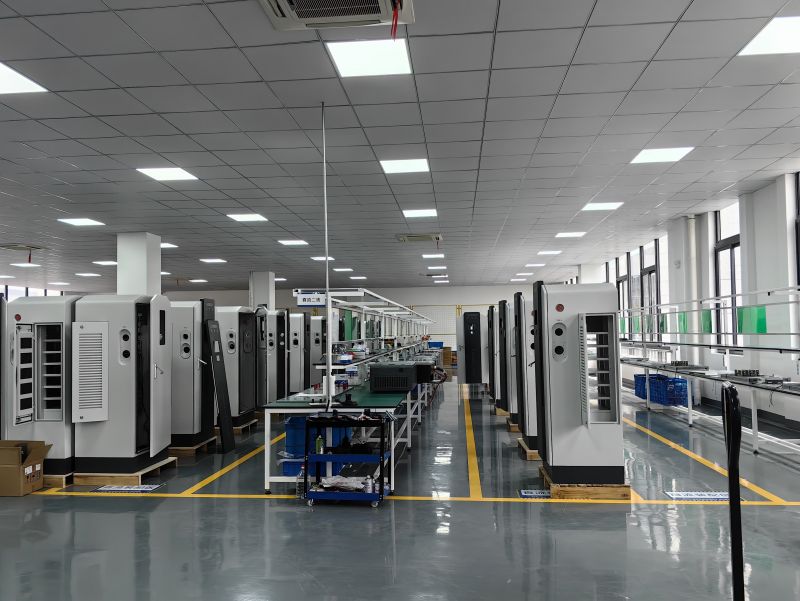
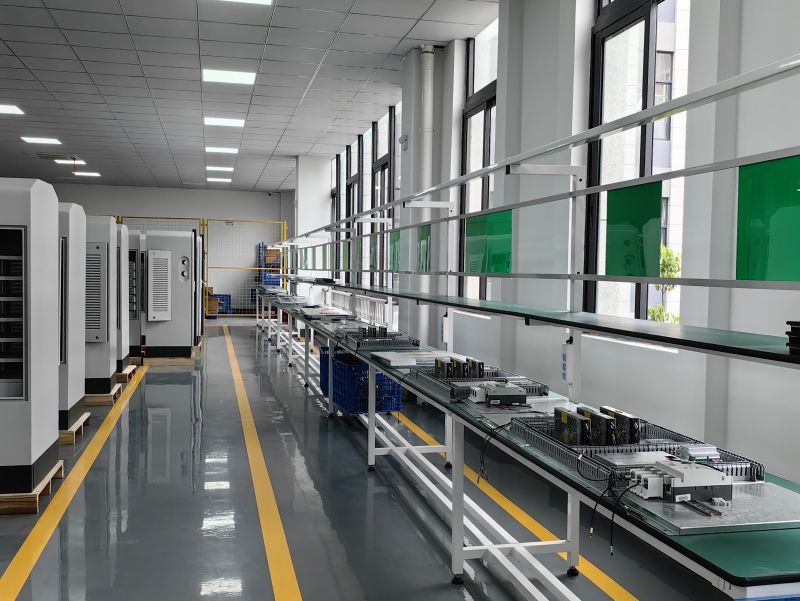
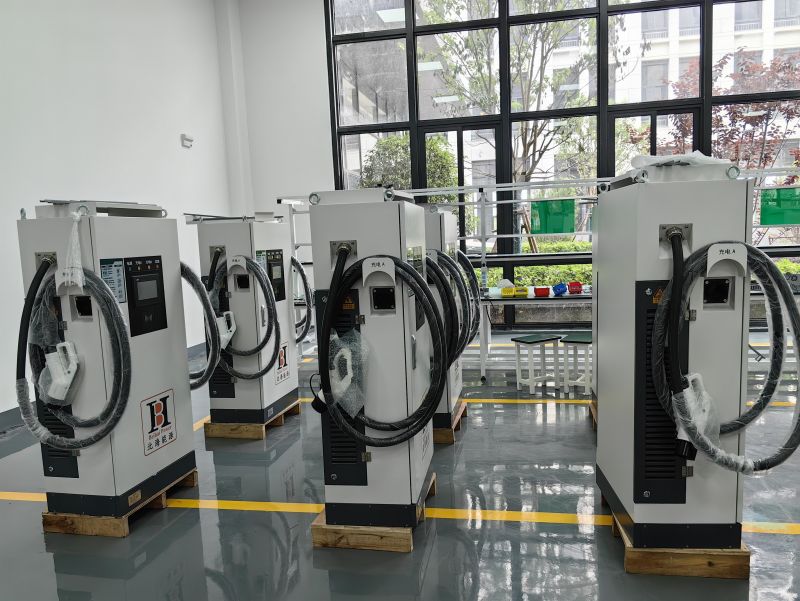
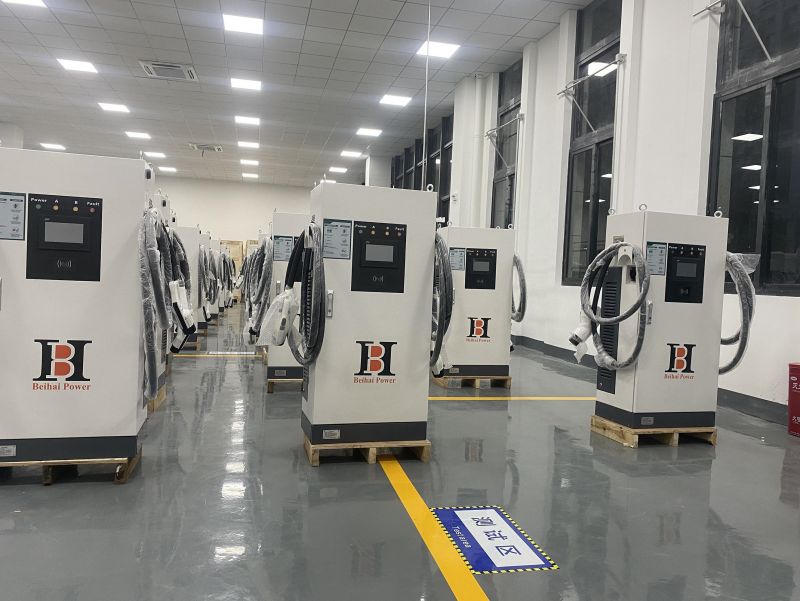
Beihai Power (China Beihai Power Co., Ltd.) is a specialized manufacturer dedicated to the innovation of DC fast-charging technology and smart AC charging technology.
We bridge the gap between complex energy requirements and reliable infrastructure delivery for governments and commercial clients across the Middle East (including the strategic Bahrain market), Central Asia, Southeast Asia, Europe, Africa, South America, and North America.
Our core mission is to solve the critical challenges of charging speed, system reliability, and grid integration. By focusing on the performance of our integrated charging modules and connector mechanics, we provide high-efficiency power solutions that ensure faster, safer, and more stable energy transfer for large-scale vehicle infrastructure projects.

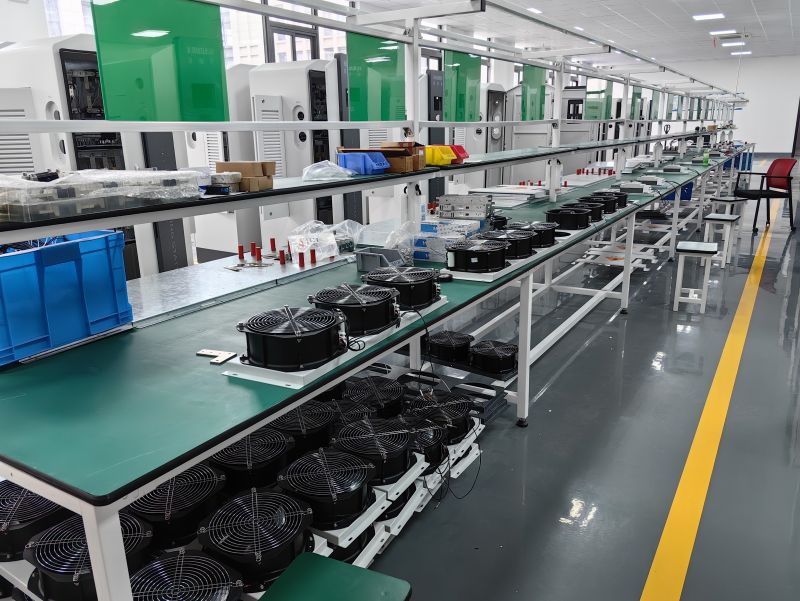
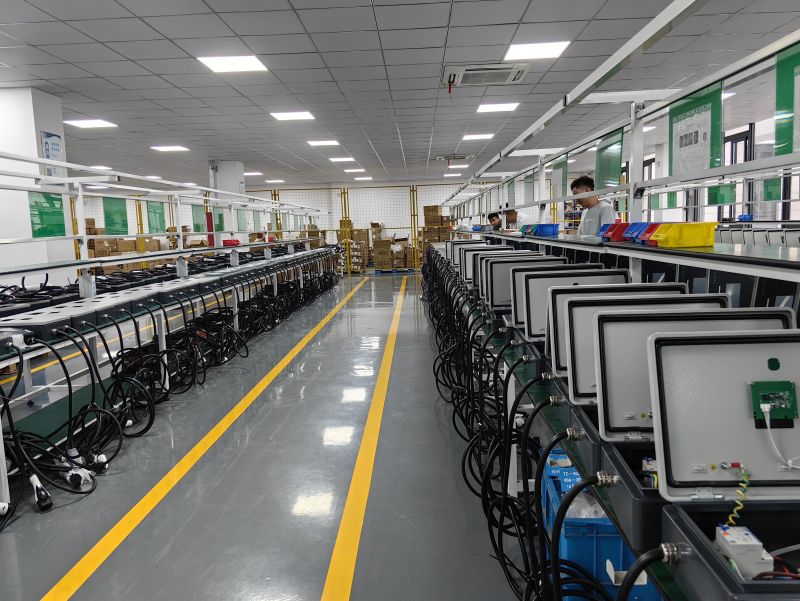
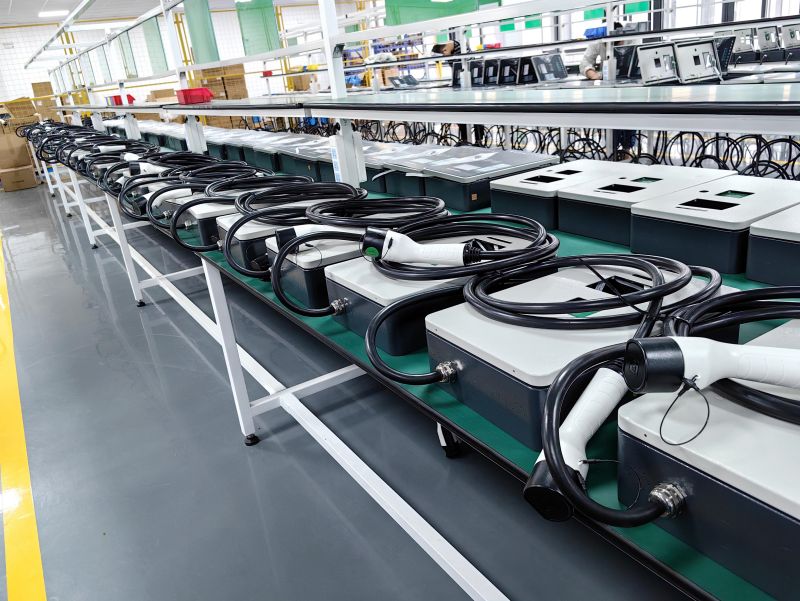
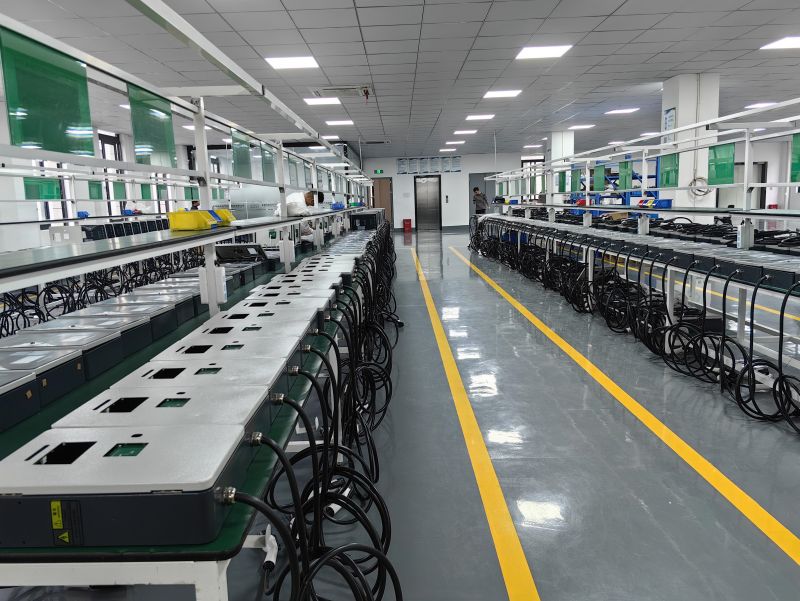
Our hardware components and systems are tested and certified by leading safety and compliance organizations.
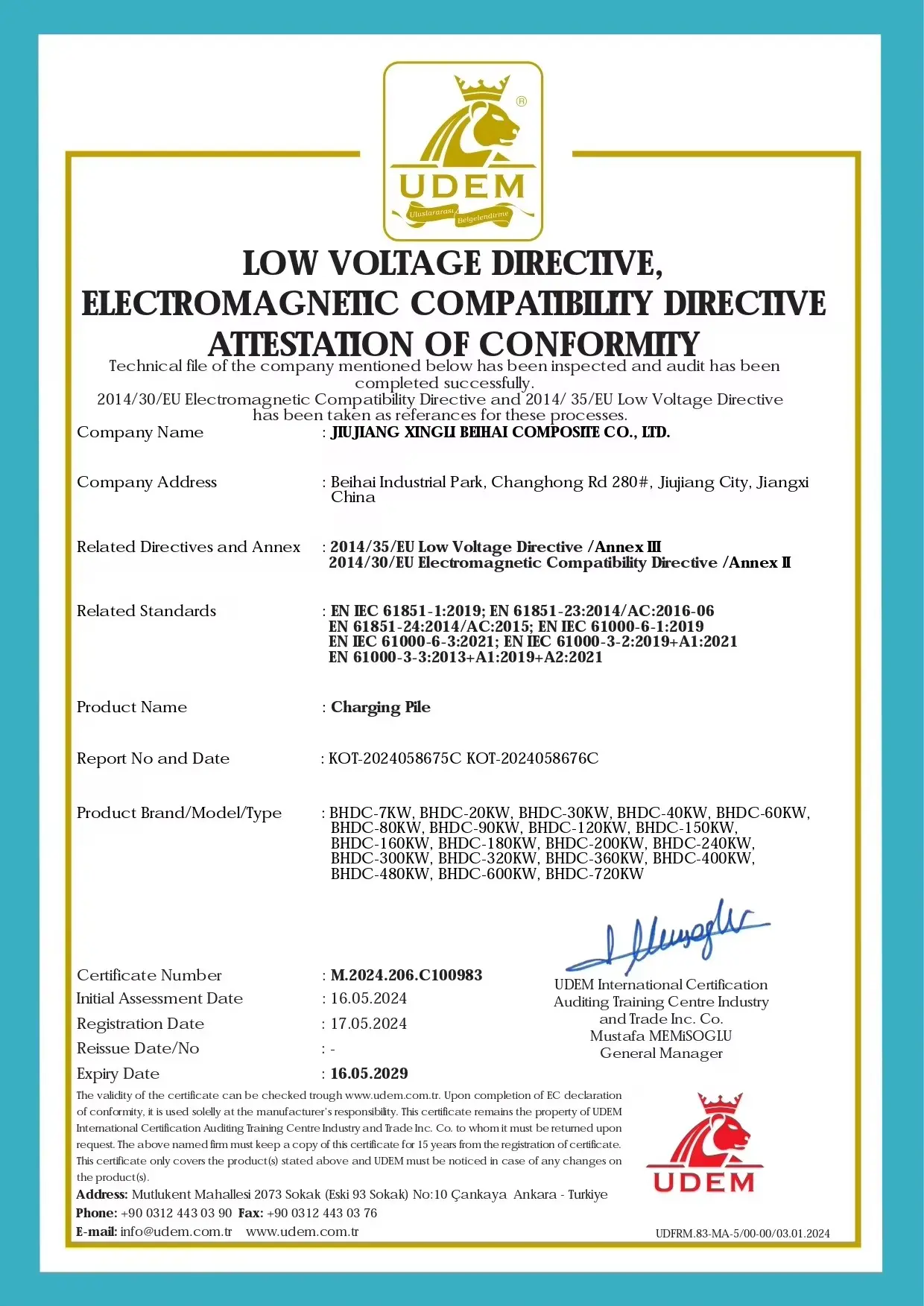
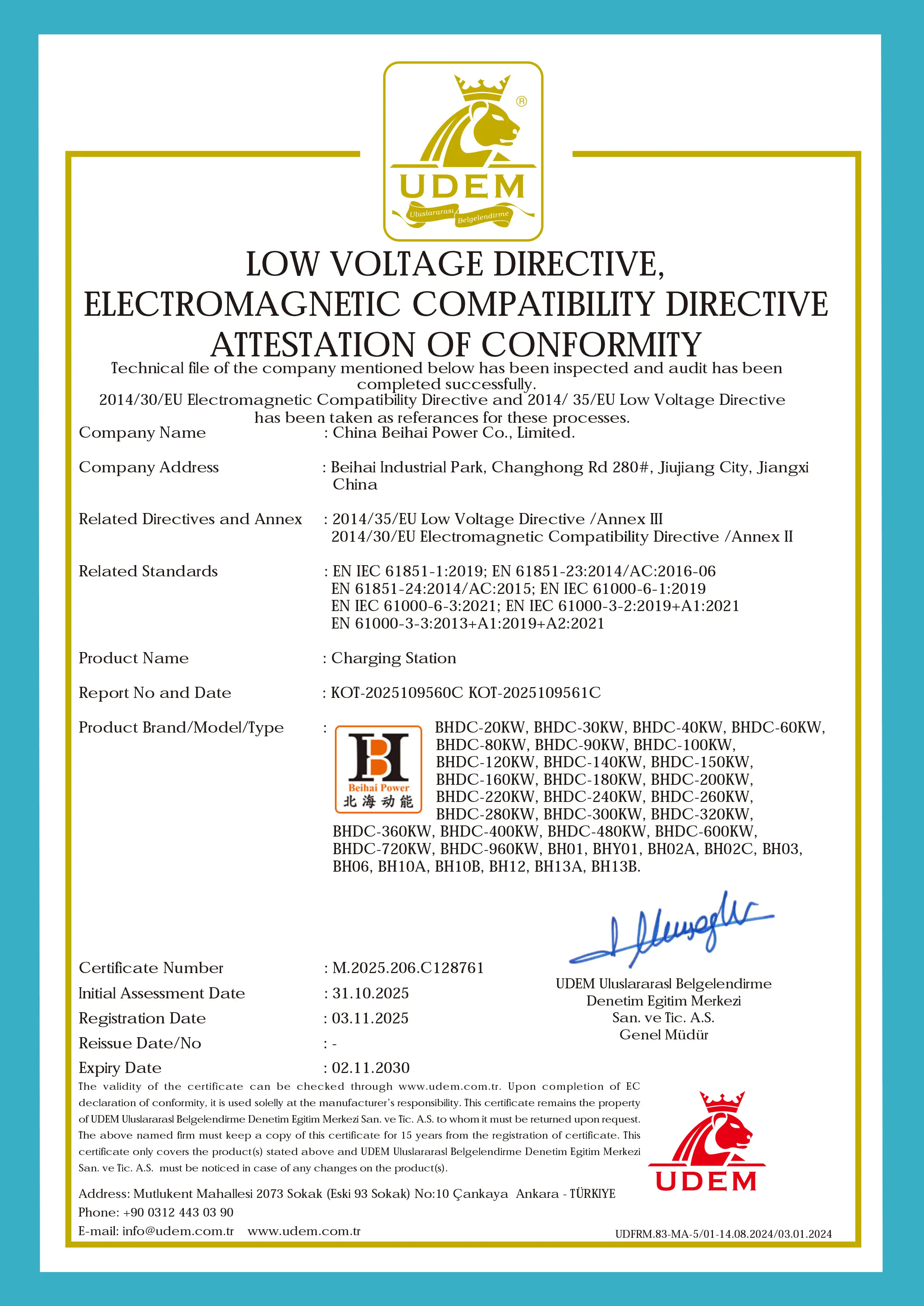
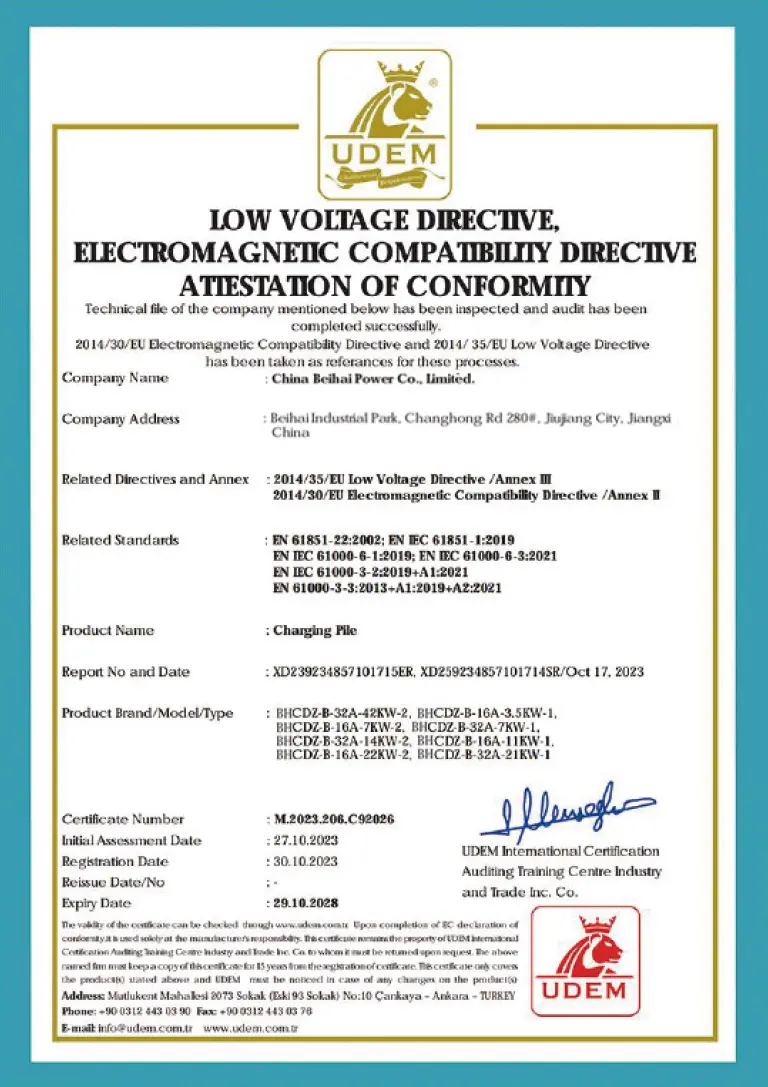

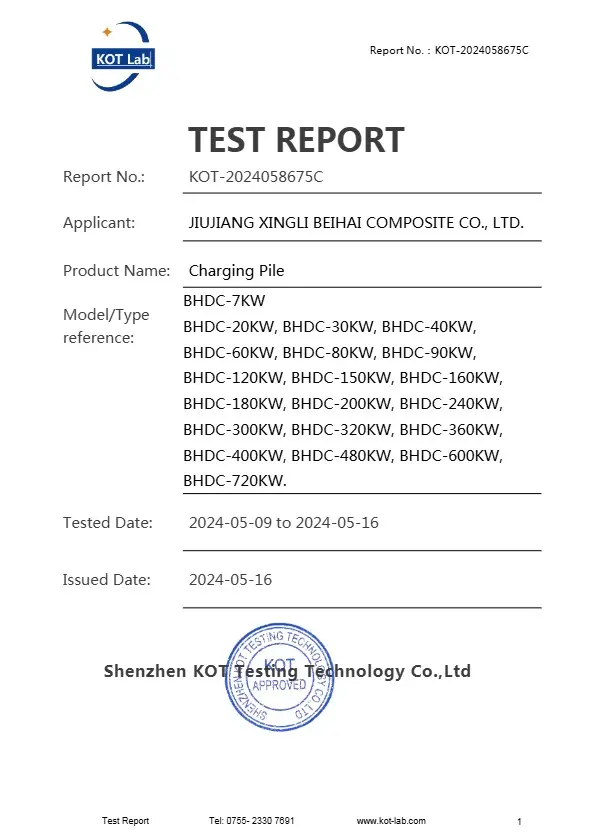
Providing technical clarity on EV charger connector deployment in Bahrain and GCC environments.
Our connectors utilize high-performance thermoplastic elastomer (TPE/TPU) jackets and advanced silver-plated terminal pins. The silver plating exhibits minimal contact resistance, minimizing Joule heating at the contact point. Additionally, we integrate dual NTC thermal sensors inside DC high-power guns to continuously monitor temperature, prompting the charging unit to scale power down safely instead of failing abruptly.
Yes, our EV charger connectors and systems fully adhere to the IEC 62196 standard family as recommended by the EWA and GSO (GCC Standardization Organization). The CE, TUV, and CB compliance reports are issued by certified, internationally recognized testing agencies.
Our connectors boast IP67 protection classes, with certain models achieving IP69K when mated. The high-performance silicone sealing rings prevent saline moisture, dust, and fine sand from entering the electrical chamber, preventing internal corrosion or short circuit risks.
All industrial-grade connector solutions come with a standard 24-month replacement warranty covering material defects and performance discrepancies under designed operation parameters. We offer localized troubleshooting guidelines and remote technical support within 24 hours to fleet operators.
Heavy-duty hardware optimized for public networks, high-utilization commercial parking, and depots in Bahrain.