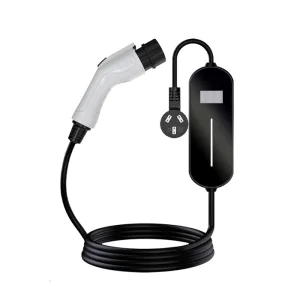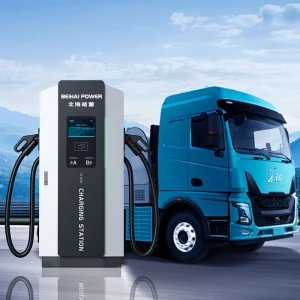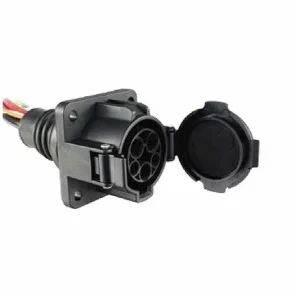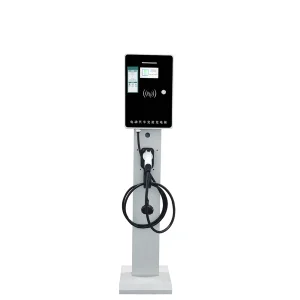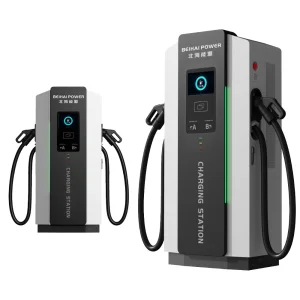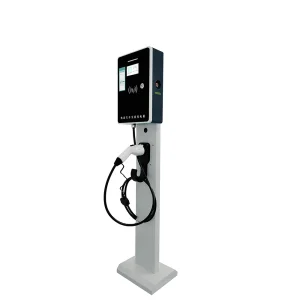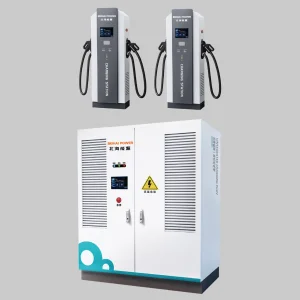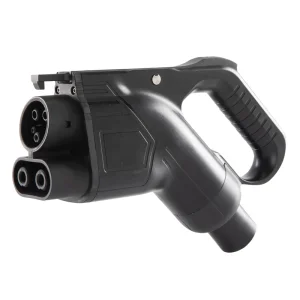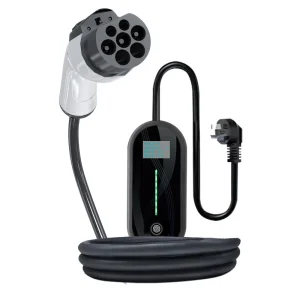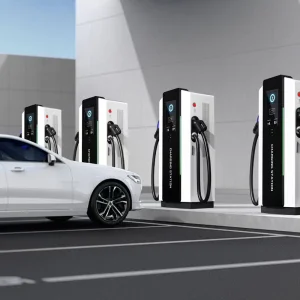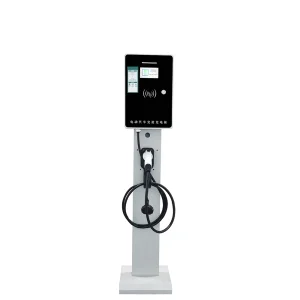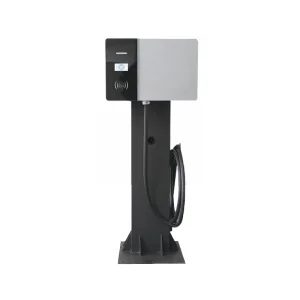
Explore our high-demand industrial DC fast charging units, smart AC charging piles, and heavy-duty vehicle connectors.
Beihai Power (China Beihai Power Co., Ltd.) is a specialized manufacturer dedicated to the innovation of DC fast-charging technology and smart AC charging technology. We bridge the gap between complex energy requirements and reliable infrastructure delivery for governments and commercial clients across Central Asia, Southeast Asia, the Middle East, Europe, Africa, South America, and North America.
Our core mission is to solve the critical challenges of charging speed, system reliability, and grid integration. By focusing on the performance of our integrated charging modules, we provide high-efficiency power solutions that ensure faster, safer, and more stable energy transfer for large-scale vehicle infrastructure projects.
As the EV ecosystem transitions toward ultra-high voltage grids and megawatt charging, Beihai Power positions itself at the technical forefront. We manage every step of the development cycle—from sheet metal stamping to software protocol tuning—ensuring our global clients receive customized, compliant, and highly competitive charging piles directly from our Chinese factory floor.

How macro-economic shifts, grid integration challenges, and standardization are reshaping the EV charging value chain.
The global electric vehicle infrastructure is currently undergoing a structural transformation. In earlier phases, Level 2 AC wallboxes satisfied overnight charging needs. However, the commercial fleet, logistics network, and heavy machinery segments now demand ultra-fast charging turnarounds to maintain route efficiency. Wholesale markets for DC chargers are scaling rapidly to support this transition, shifting from simple 20kW-60kW piles to high-power, modular liquid-cooled installations capable of providing 350kW to 720kW of power.
In highly saturated markets like Western Europe and North America, operators face the dual challenges of high grid capacity acquisition and rising peak energy costs. In developing markets across Central Asia and South America, infrastructure rollouts are often hindered by aged grid networks that require localized energy storage system (ESS) integrations. As a leading manufacturer, Beihai Power works closely with EPC contracting firms, municipal utility departments, and wholesale distributors to deploy equipment that balances efficiency and network stability.
Deploying smart dynamic load management to prevent transformers from overloading, and enabling real-time phase balance optimization.
Utilizing high-frequency matrix switching to dynamically split power modules (e.g., 240kW divided dynamically to 2 x 120kW or 180kW + 60kW).
Native compatibility support with CCS1, CCS2, GB/T, and CHAdeMO standards to allow cross-border transport operations.
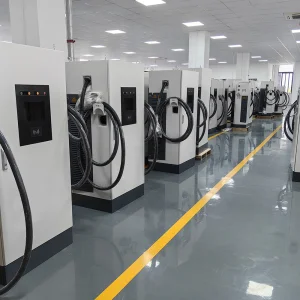
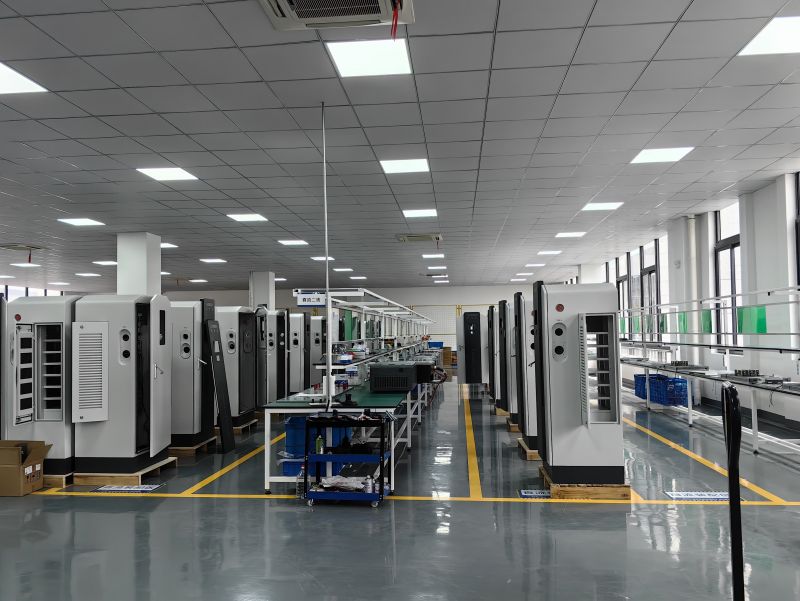
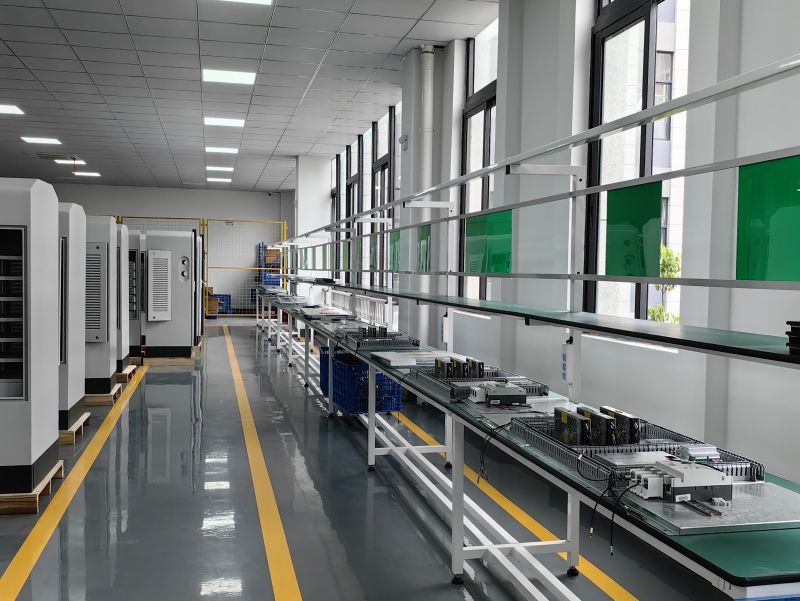
A transparency showcase of Beihai Power's manufacturing process, from raw steel sheet cutting to full functional testing.
Precision CNC laser cutters process raw structural plates to strict dimensions, forming the foundation of high IP-rated weather-resistant enclosures.
Pneumatic press-braking and robotic welding form heavy cabinet enclosures designed to withstand extreme wind, snow, and seismic forces.
Enclosure panels are treated with anti-corrosion coating, powder-painted, and fitted with internal physical thermal isolation barriers.
Cabinet seals undergo structural IP54/IP55 water-ingress and dust tests to ensure long-term outdoor survival.
Power factor correction (PFC) units and DC-to-DC converters are assembled on high-speed SMT lines, using top-tier switching transistors.
Skilled electricians lay heavy-gauge copper busbars, connect auxiliary cooling loops, and integrate the central controller boards.
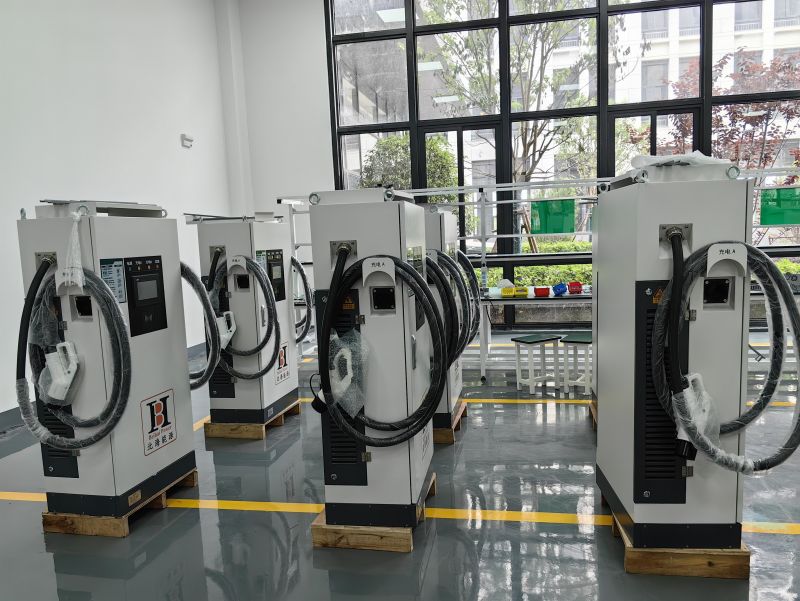
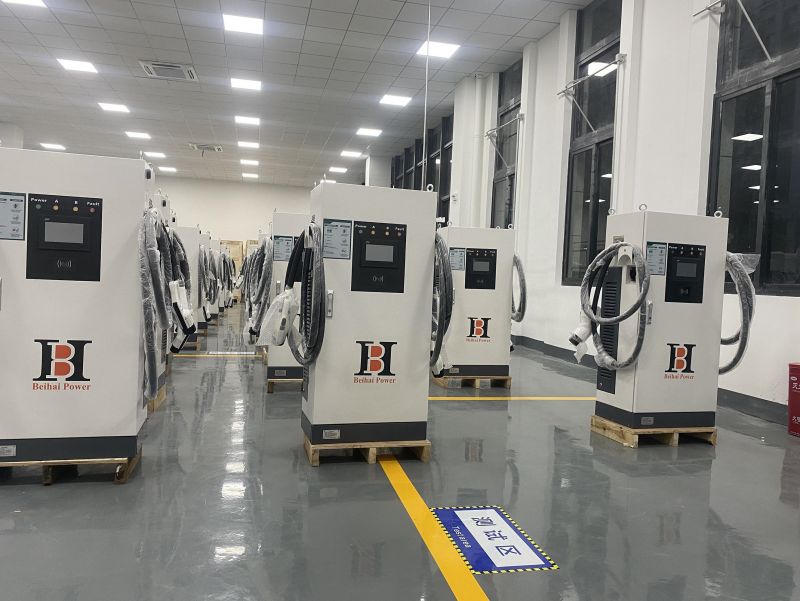
Every single DC charging station is loaded to maximum rated output capacity on test beds to verify electrical safety, ripple current, and heat dissipation.
Stations are custom-packaged in shockproof wooden crates and dispatched with tailored country-specific grid and certificate documentation.
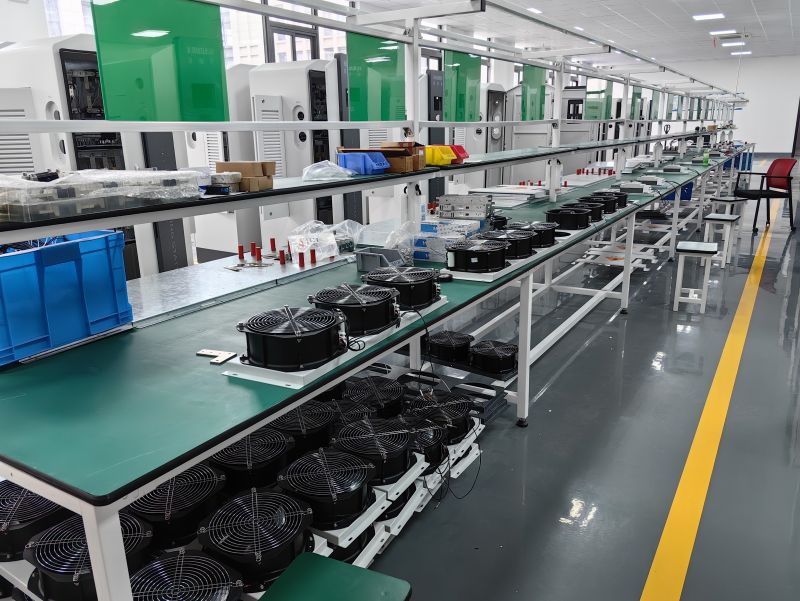
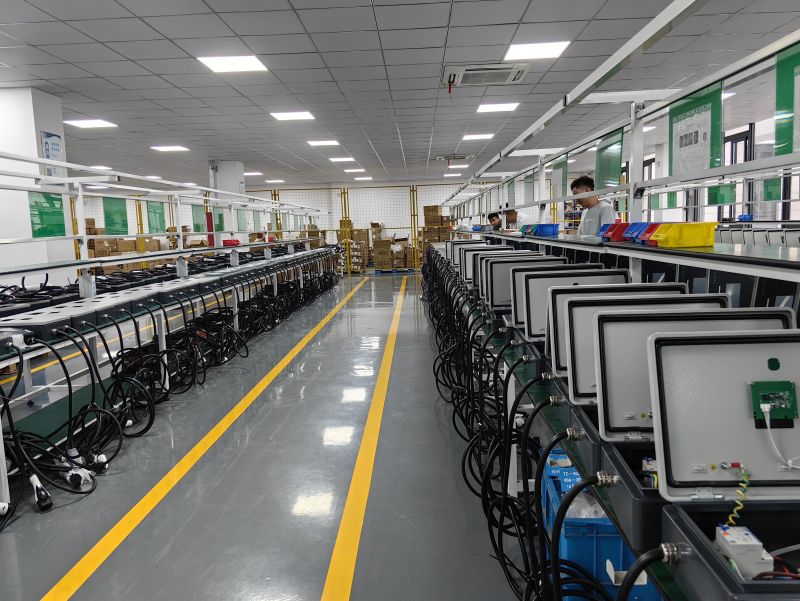
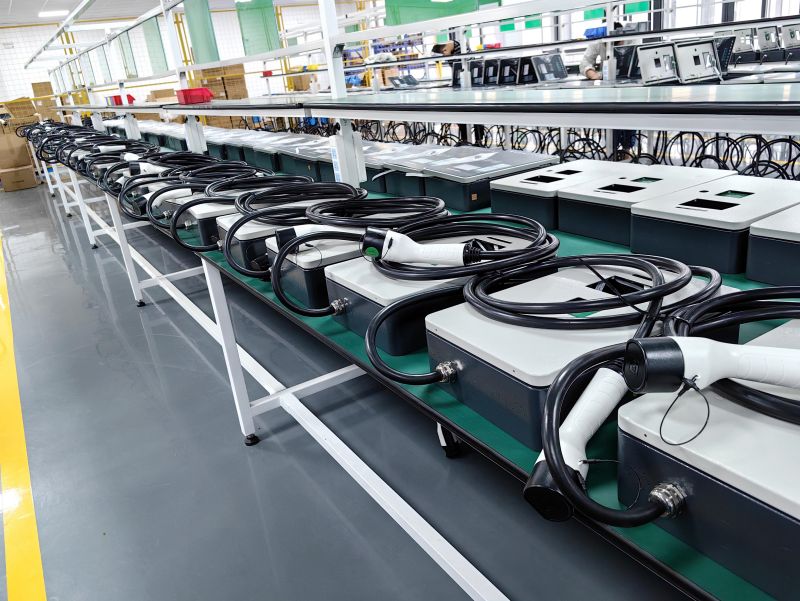
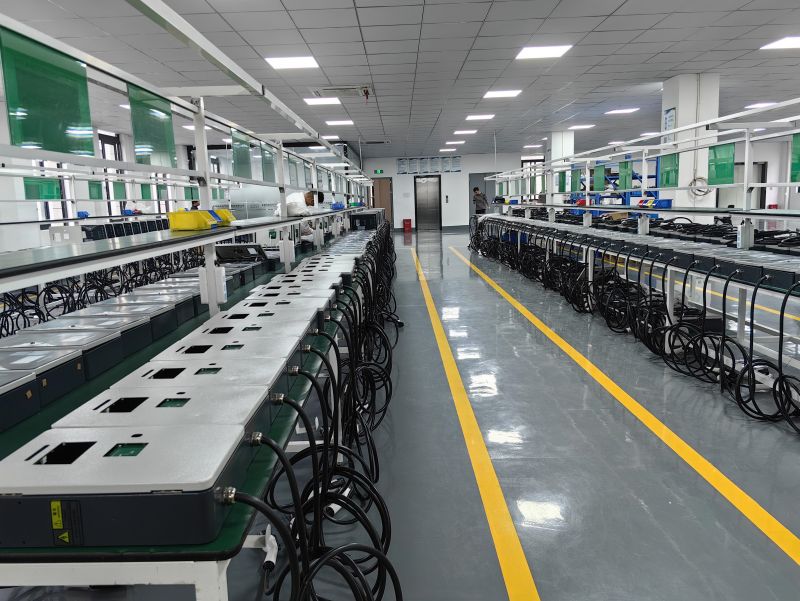
We do not believe in a "one-size-fits-all" mentality. Different geographical coordinates come with distinct environmental realities, utility grids, and vehicle communication profiles. Beihai Power specializes in building custom solutions tailored to these challenges.
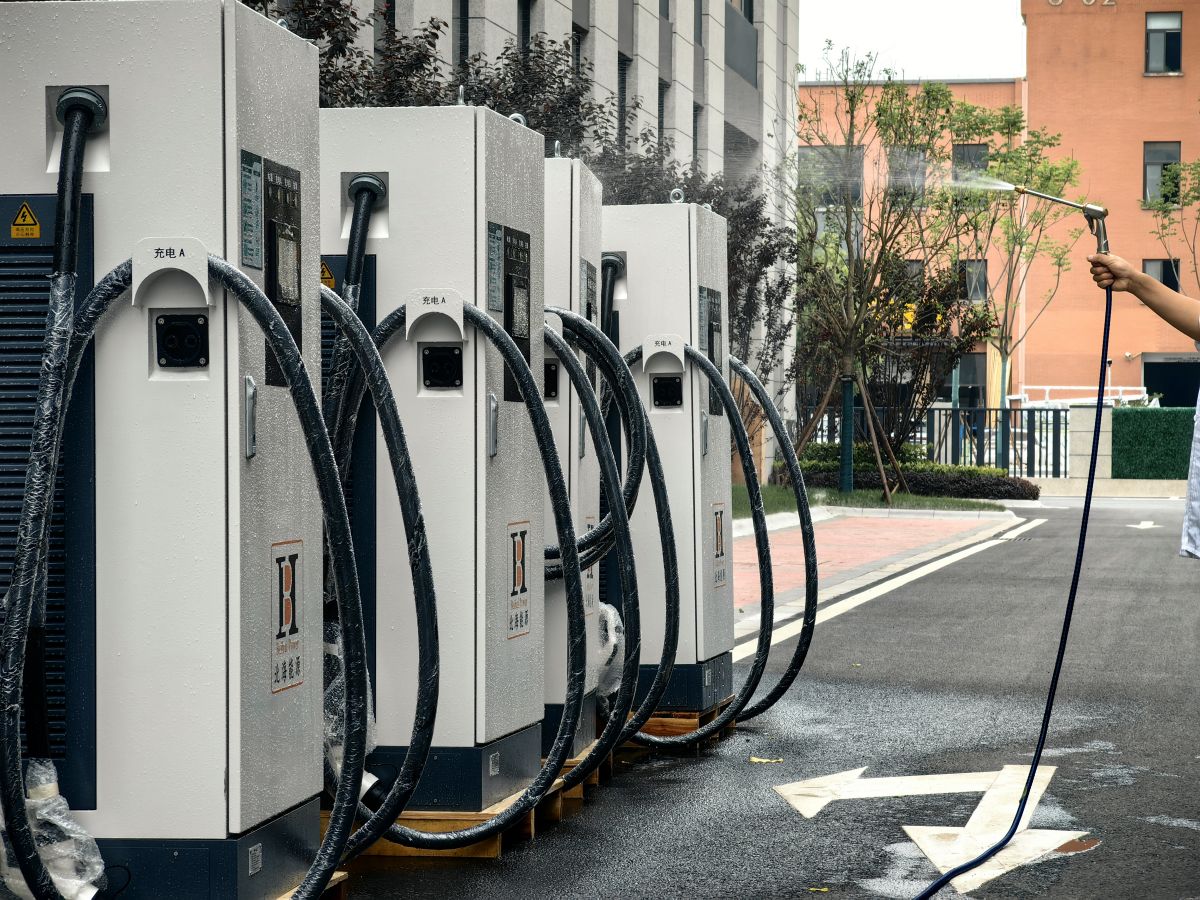
Scalable Manufacturing Excellence: With the capacity to fulfill bulk orders—such as our recent export shipment of 24 custom-configured DC fast-charging piles to Uzbekistan—we combine industrial-scale manufacturing with stringent quality control. Our production capability allows for rapid turnaround, including sample batch fulfillment for international export.
Grid integration requires fast response. Our units feature custom OCPP 1.6J / 2.0.1 integrations, allowing remote smart charging commands, utility peak shaving, and active load monitoring.
We design specific adaptations like the 150kW Mobile DC Fast-Charging Solution integrated into commercial vans, developed to meet grid requirements for remote roadside assistance in Colombia and the USA.
From the high-altitude cold of Central Asian winters to the extreme heat of Middle Eastern deserts, our cabinets feature smart climate systems with dual-chamber airflow separation to prevent internal dust build-up.
We provide end-to-end support, from initial RFQ and site-specific engineering to final delivery. We also support the future of energy engineering, including partnerships with the ASME-UDEP Student Chapter.
Strategic advancements shaping the future of EV fast charging over the next decade.
1. Liquid Cooling Architecture (Ultra-High Power)
As standard charging power moves beyond 350kW toward Megawatt Charging Systems (MCS), traditional air cooling reaches its physical limits. Beihai Power is currently commercializing integrated liquid cooling loops that maintain contact temperatures below 50°C. This allows us to keep high-power charging cables lightweight, flexible, and easy for operators to handle, while eliminating thermal throttling in extreme climates.
2. Silicon Carbide (SiC) Power Semiconductor Integration
Moving from Silicon IGBTs to Silicon Carbide (SiC) MOSFETs in our converter modules boosts energy conversion efficiency from 94% to over 97.5%. This reduces thermal energy losses by half, saving fleet operators thousands of dollars per year in wasted heat dissipation electricity, while enabling smaller cabinet footprints.
3. Bi-Directional Charging (V2G / V2X)
In future smart cities, electric vehicles will function as mobile energy storage systems. Our technological roadmap includes bi-directional grid-interactive modules. This allows parked commercial fleets to feed energy back to the city grid during peak demand hours, creating a new source of revenue for fleet operators.
4. Solid-State Transformer (SST) Development
We are researching Solid-State Transformer designs to allow direct high-voltage AC grid connections without large, heavy low-frequency external transformers. This innovation simplifies physical installation at public transit bus depots and highway hubs.
At Beihai Power, we back our manufacturing processes with a customer-focused support structure. The General Manager directly oversees this system to ensure fast, clear resolution of technical issues.
Our experienced R&D team designs customized AC and DC charging stations tailored to your requirements. We support our customers through every stage of their project, from initial production lines to live field operation, providing lifetime tracking and regular maintenance updates.
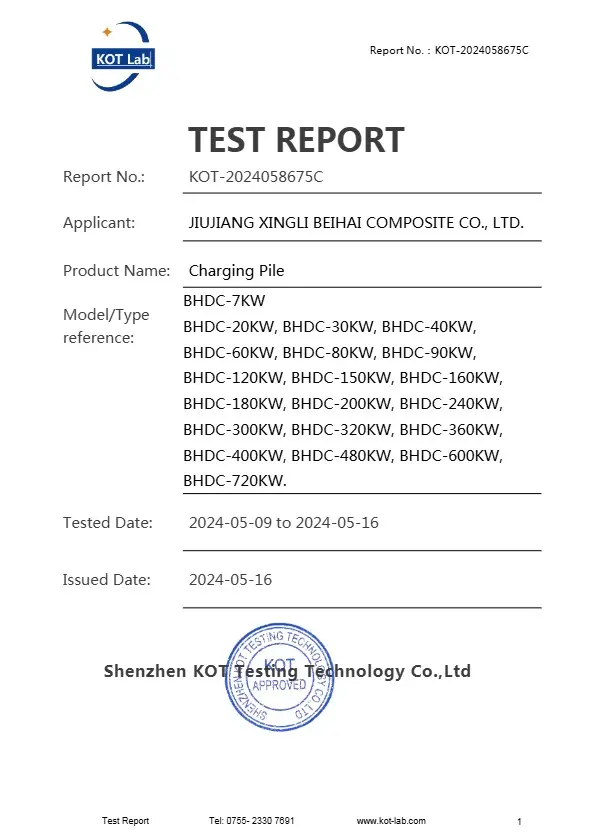
All production models are manufactured under strict ISO guidelines, holding CE, FCC, UL, and regional safety approvals.
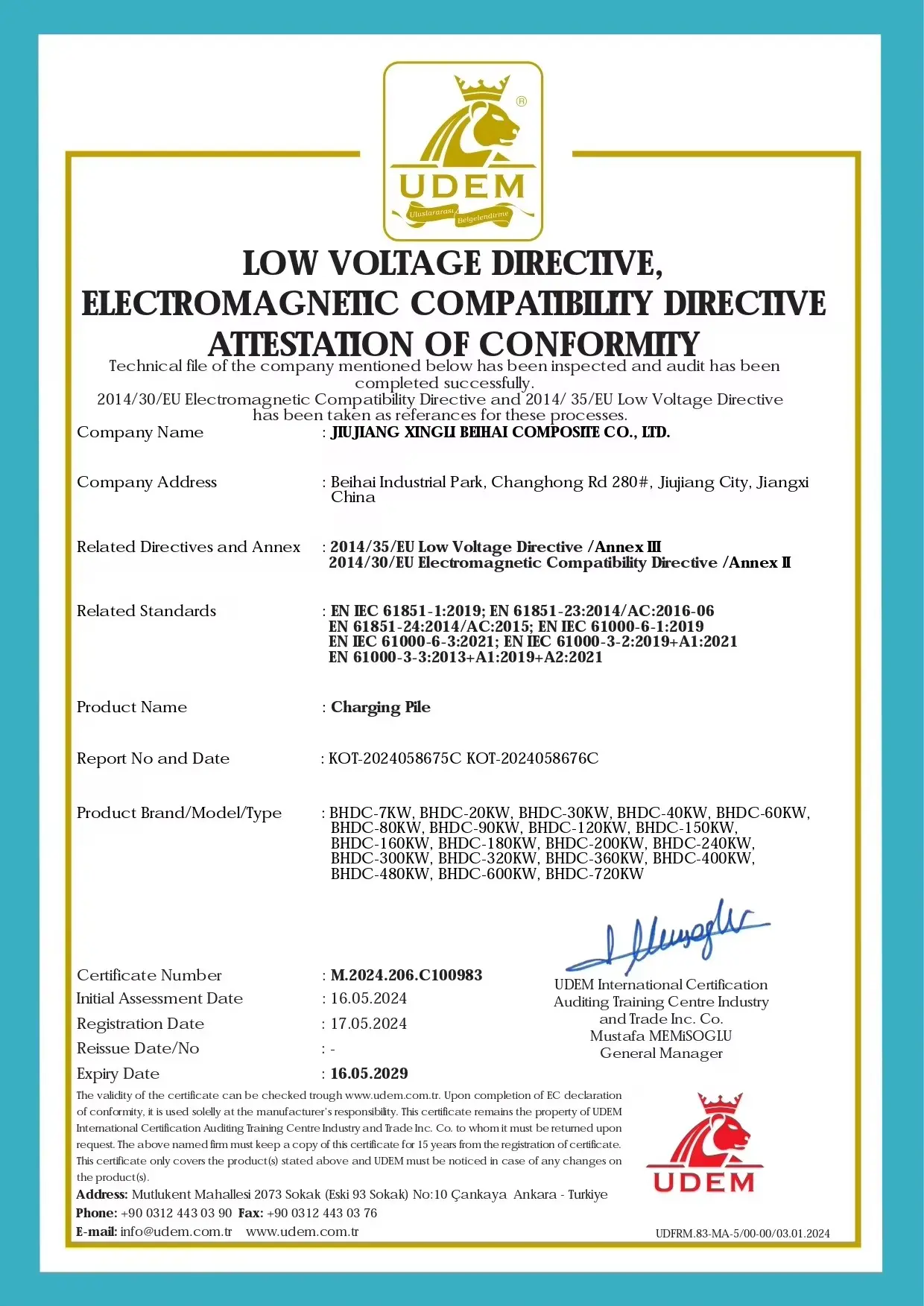
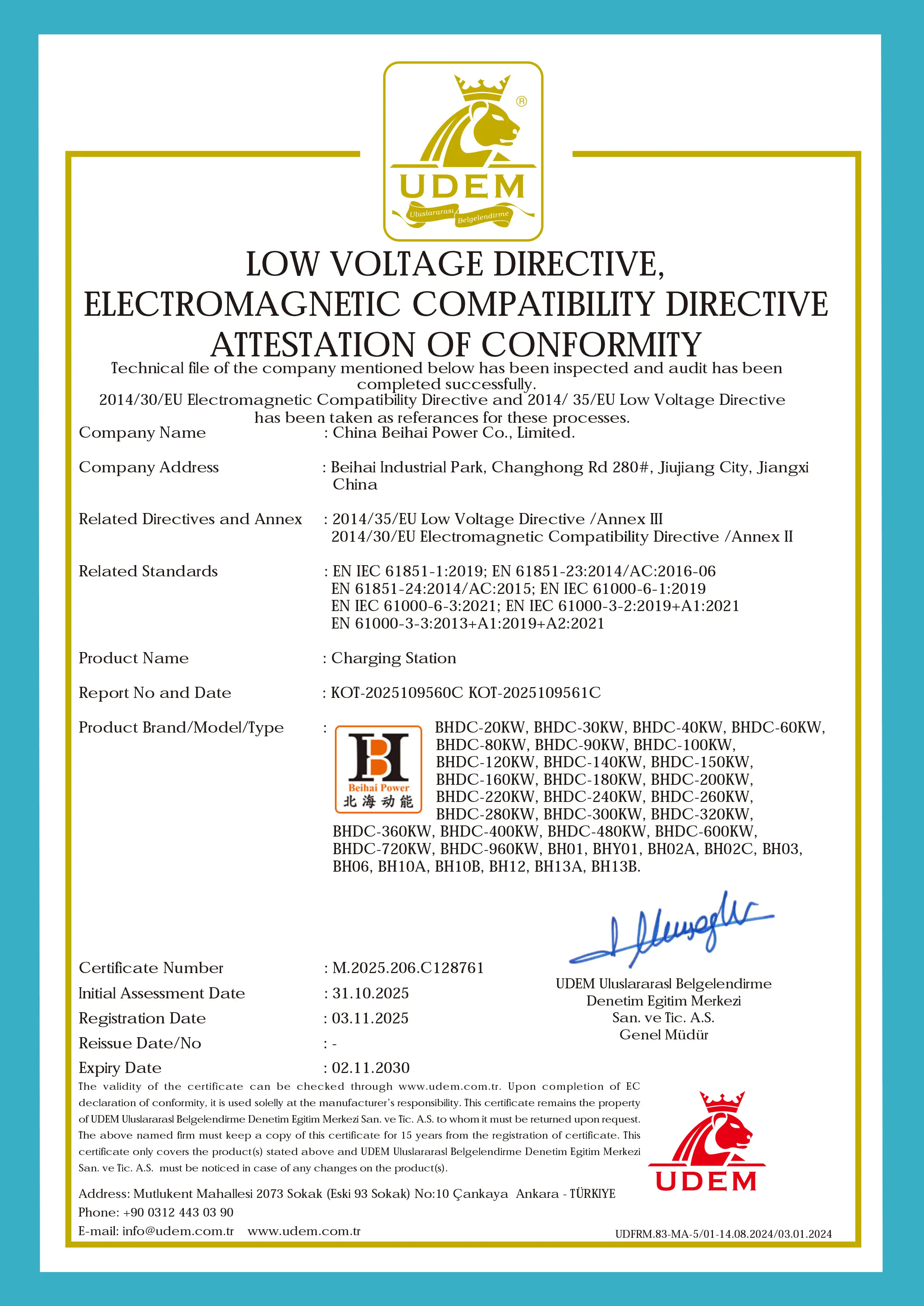
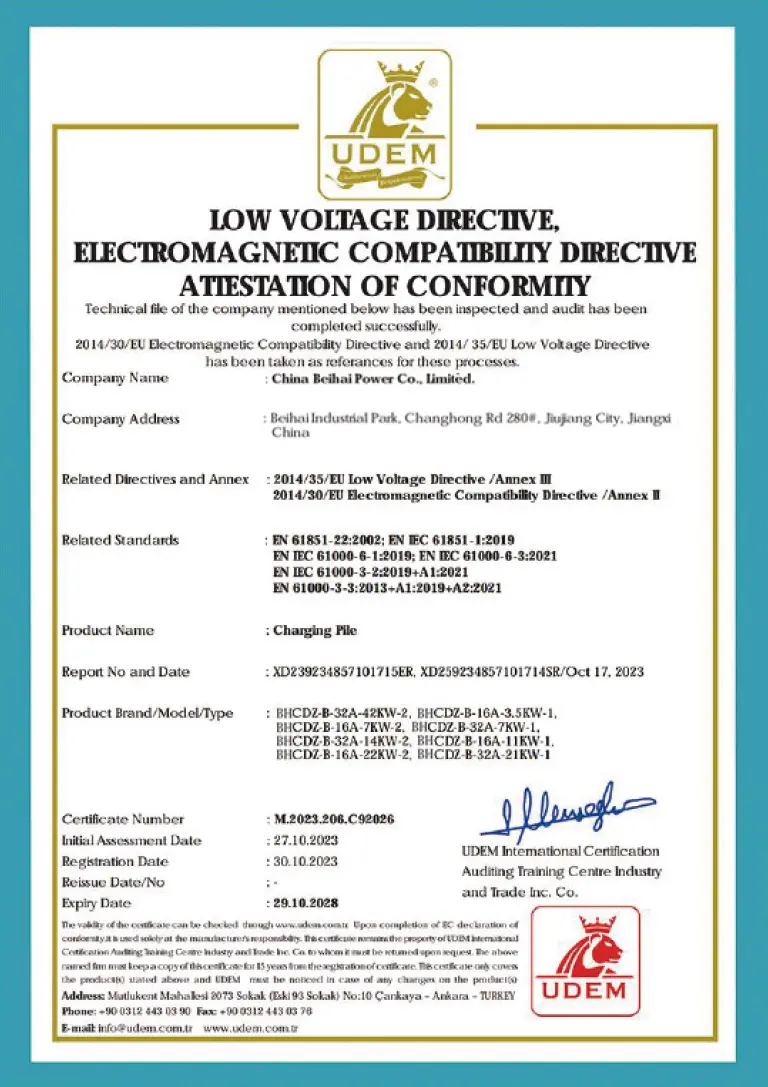

Technical answers to common grid, standard, and procurement questions from engineers, buyers, and distributors.
The CCS1 standard is the primary format used in North America, featuring a single-phase AC control pilot. CCS2 is the dominant standard in Europe, supporting three-phase AC power. The Chinese GB/T standard uses separate pins for DC and AC power, communicating via dedicated CAN bus channels rather than Power Line Communication (PLC). Beihai Power manufactures multi-connector charging stations that support all these standards simultaneously on a single cabinet.
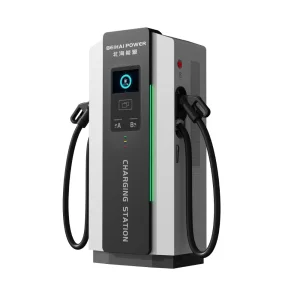
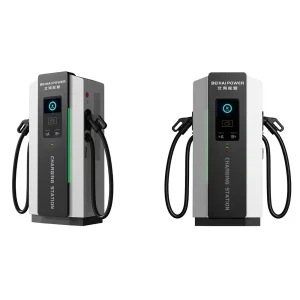
Our smart charging controller dynamically monitors the real-time battery state of charge (SoC) for both vehicles. If a vehicle requires less power, the system routes unused power modules to the second plug. For example, a 240kW charger can dynamically distribute power as 120kW+120kW, 180kW+60kW, or direct the full 240kW to a single vehicle depending on battery demand.
For units up to 240kW, we use isolated forced air-cooling. The air intake is sealed away from the electrical components to prevent dust and moisture from entering. For ultra-high capacity chargers (360kW to 720kW), we offer closed-loop liquid cooling. This systems circulates coolant through the power modules and cable jackets, reducing cable weight and keeping operating noise levels low.
Yes. All Beihai Power DC charging piles natively support the open OCPP 1.6J protocol, and can be upgraded to OCPP 2.0.1. This ensures full compatibility with global billing platforms, mobile applications, and network management software via Ethernet, Wi-Fi, or 4G LTE connections.
Our cabinets are constructed from heavy-duty, powder-coated galvanized steel with IP54/IP55 environmental protection. They include built-in heating elements for sub-zero conditions and intelligent ventilation systems for high-temperature areas. Every system features comprehensive electrical protections, including overcurrent, short circuit, surge, and leakage protection.
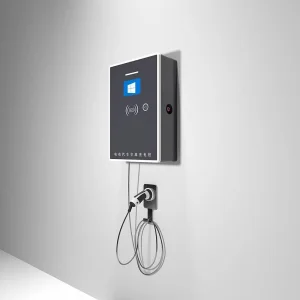
Explore our complete product lineup, including compact smart wallboxes, high-voltage connectors, and portable charging systems.