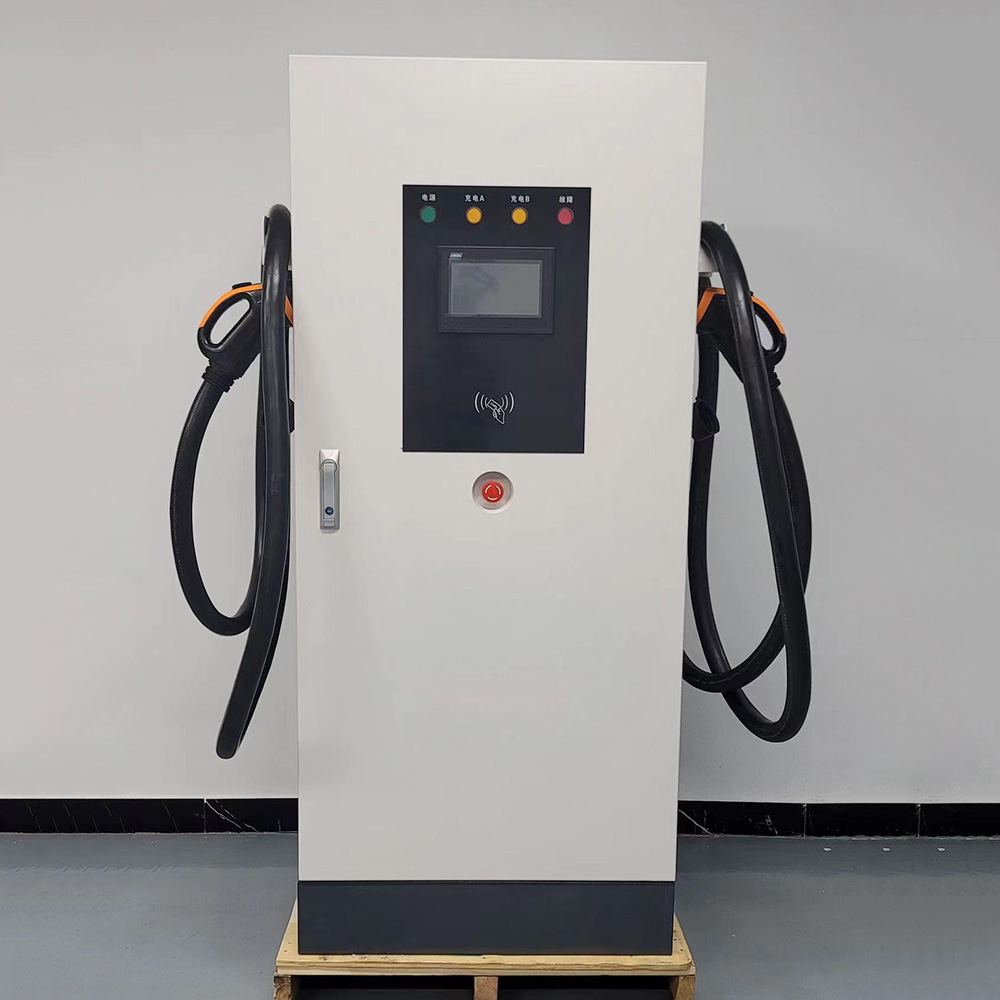
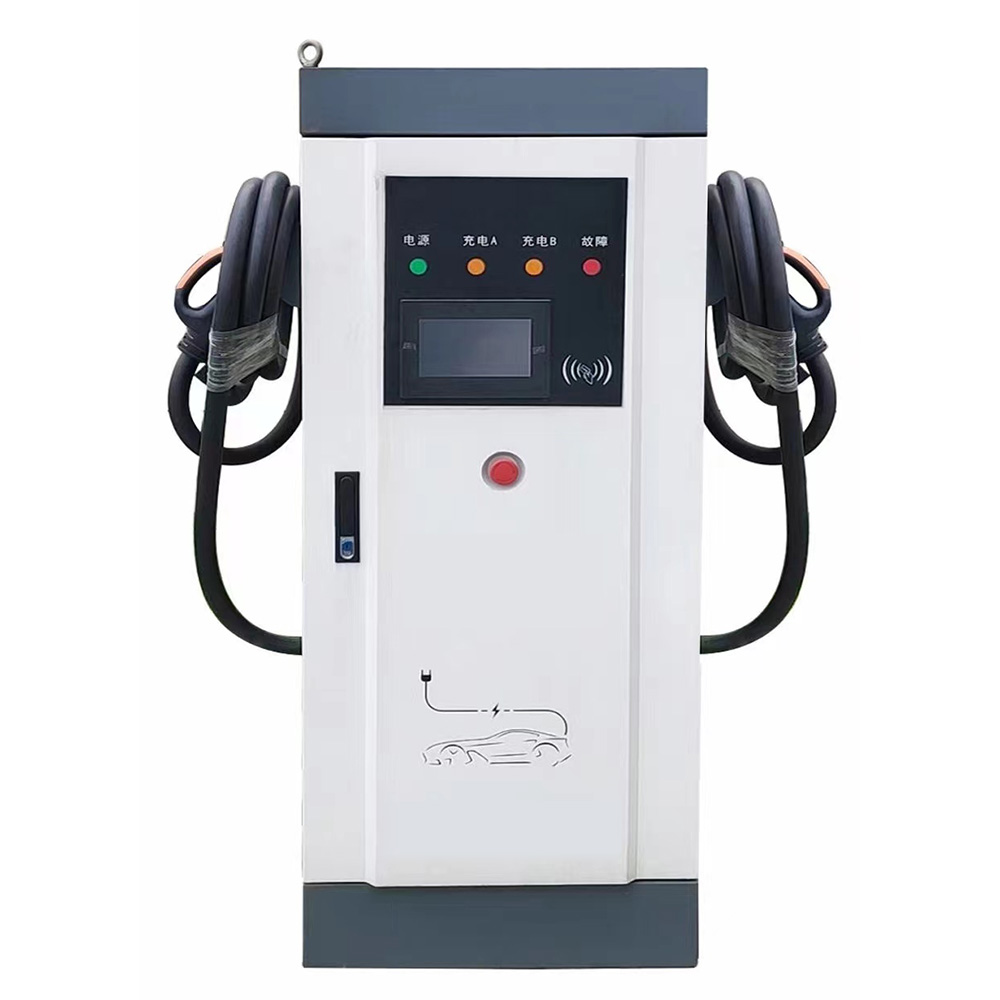
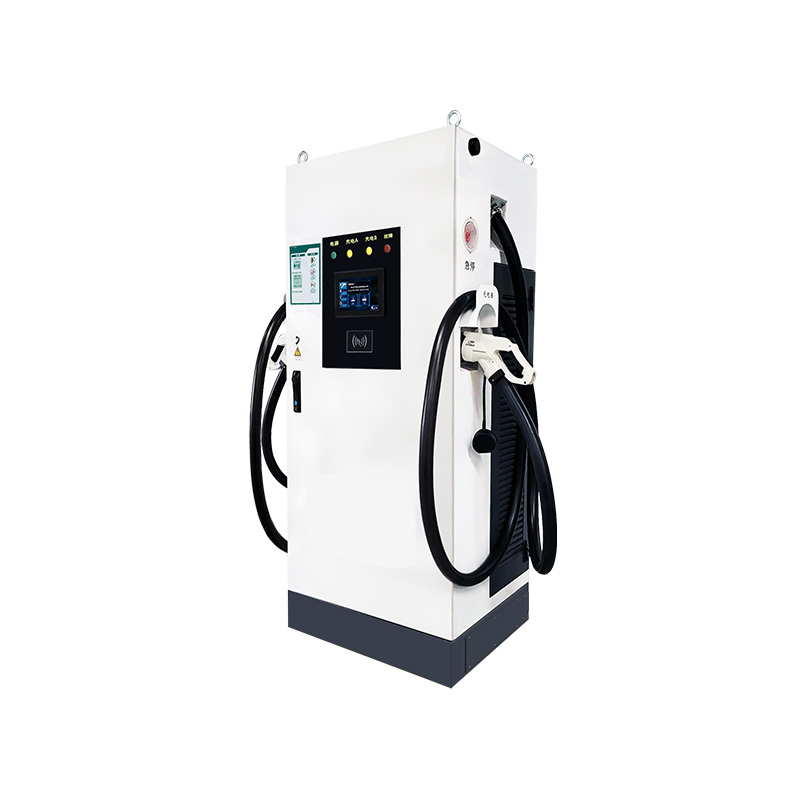
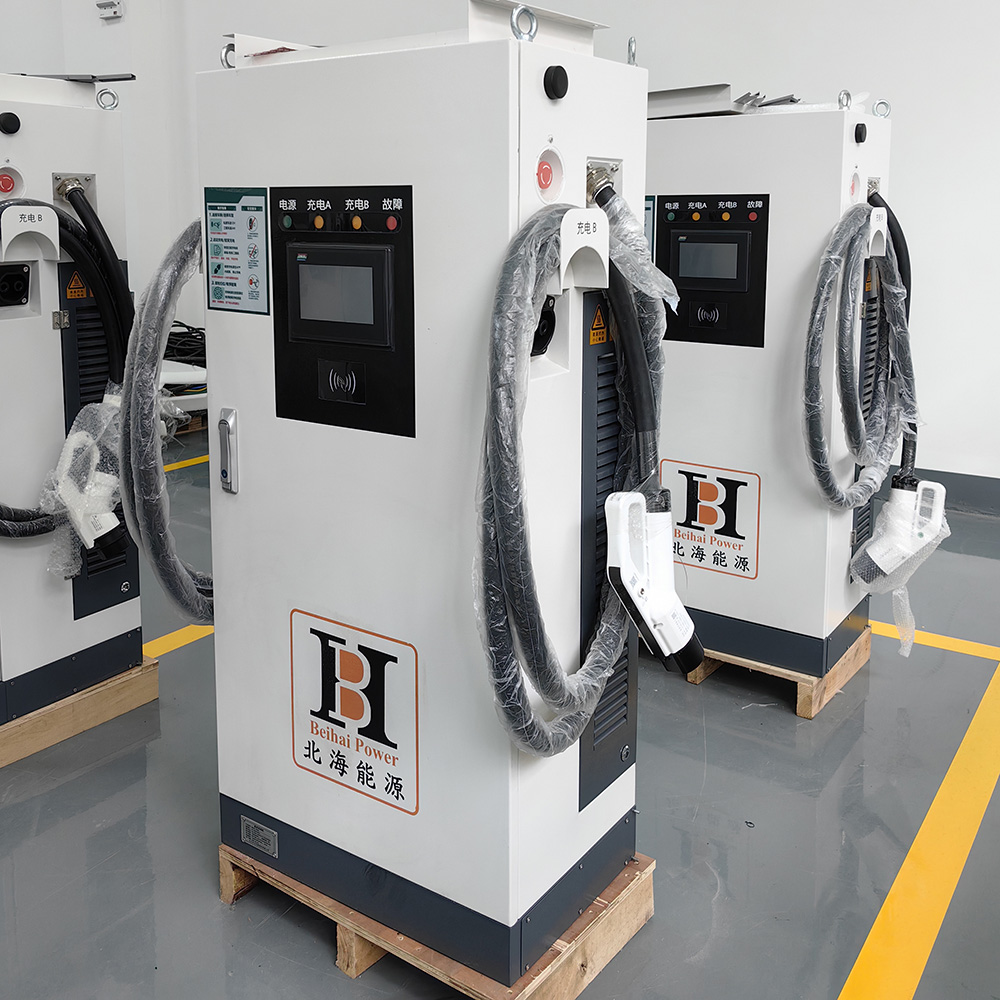
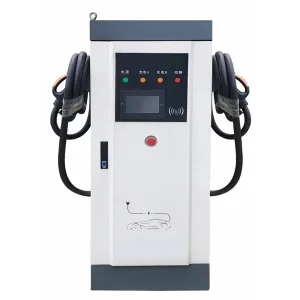
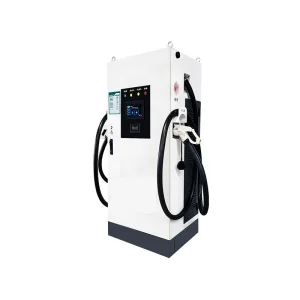
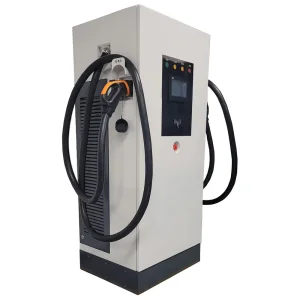
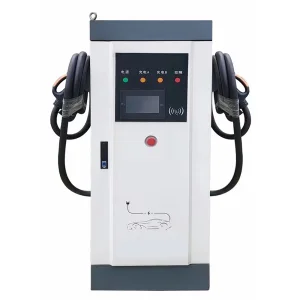
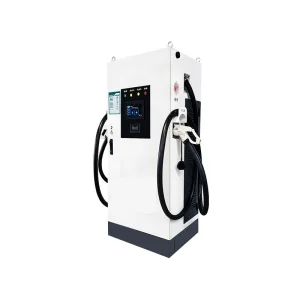
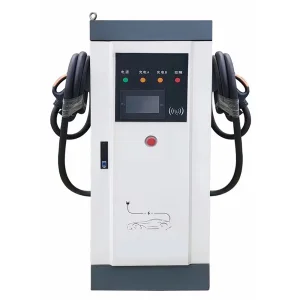
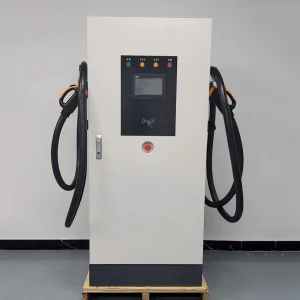
As electric vehicles (EVs) gain traction in the market, the need for efficient and rapid charging solutions has become critical. DC fast charging stations are at the forefront of this transformation, providing the speed and convenience necessary for modern electric vehicle infrastructure.
DC fast charging (DCFC) technology allows for the delivery of high voltage direct current to electric vehicles, significantly reducing charging times compared to traditional AC charging. Unlike AC charging, which converts the electricity from alternating current to direct current within the vehicle, DCFC supplies direct current directly to the vehicle’s battery. This bypasses the on-board charger, enabling much faster charging.
DC fast chargers typically operate at power levels ranging from 50 kW to 350 kW, depending on the model and application. The higher the power level, the quicker the charging process. For instance, a 150 kW charger can replenish approximately 80% of an EV's battery in about 30 minutes, making it ideal for long-distance travel.
Initialization
When a vehicle connects to the charger, the control system establishes communication with the vehicle’s onboard charger. It verifies the vehicle’s compatibility and the state of the battery.
Charging Phase
The charger delivers DC power directly to the battery. This phase is typically divided into two stages: the constant current (CC) stage and the constant voltage (CV) stage. Initially, the charger supplies a constant current until the battery reaches a specific voltage.
Termination
Once the battery reaches its maximum state of charge, the charging process is terminated to prevent overcharging. The control system communicates with the vehicle to ensure a safe disconnect.
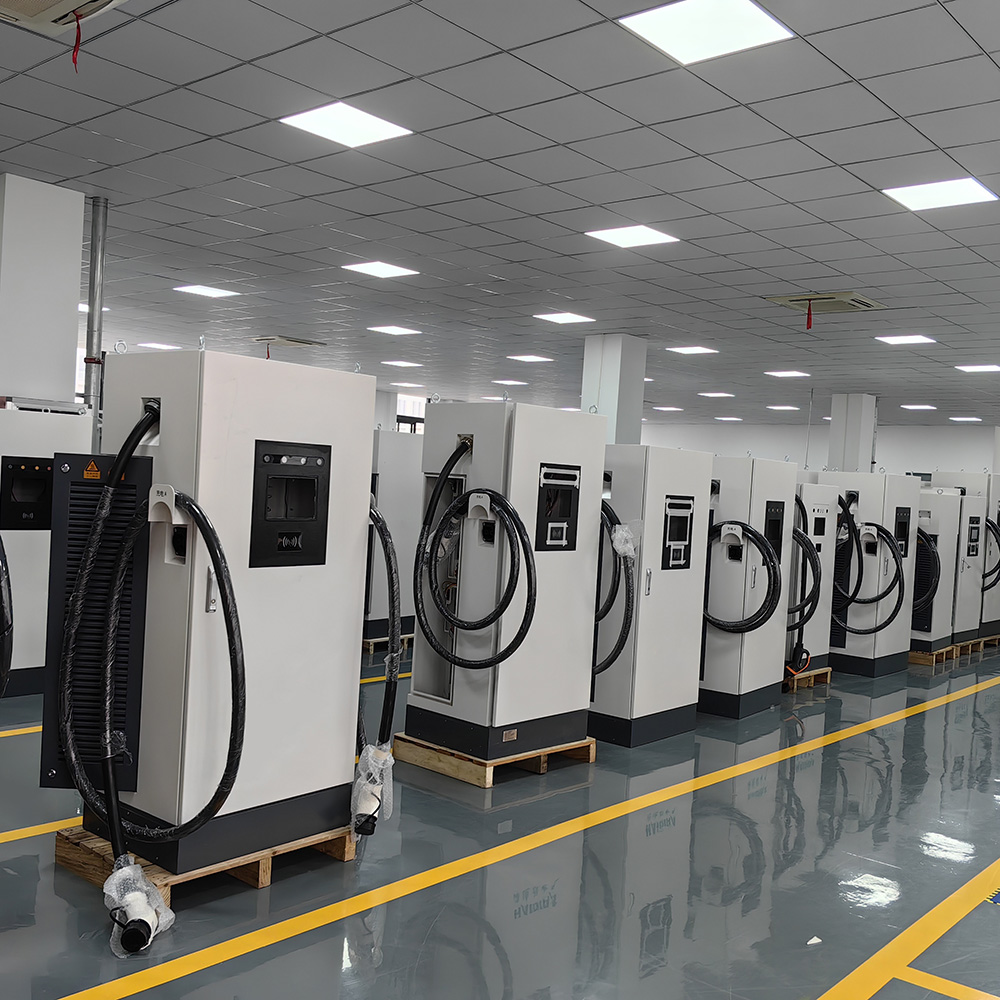
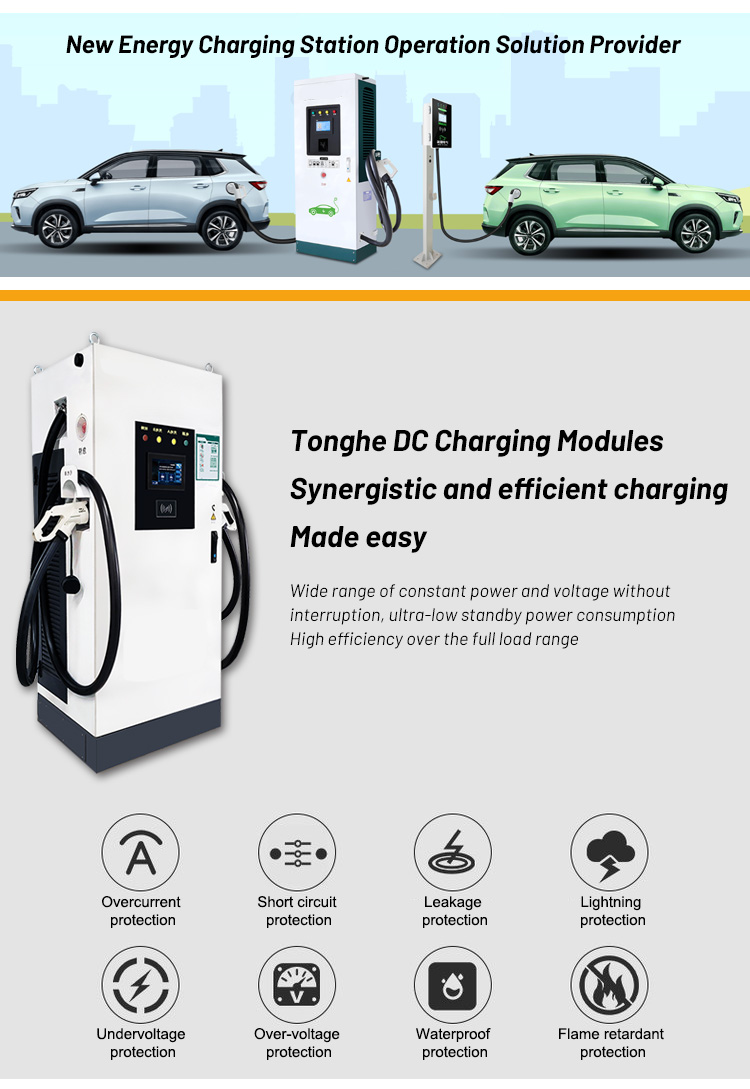
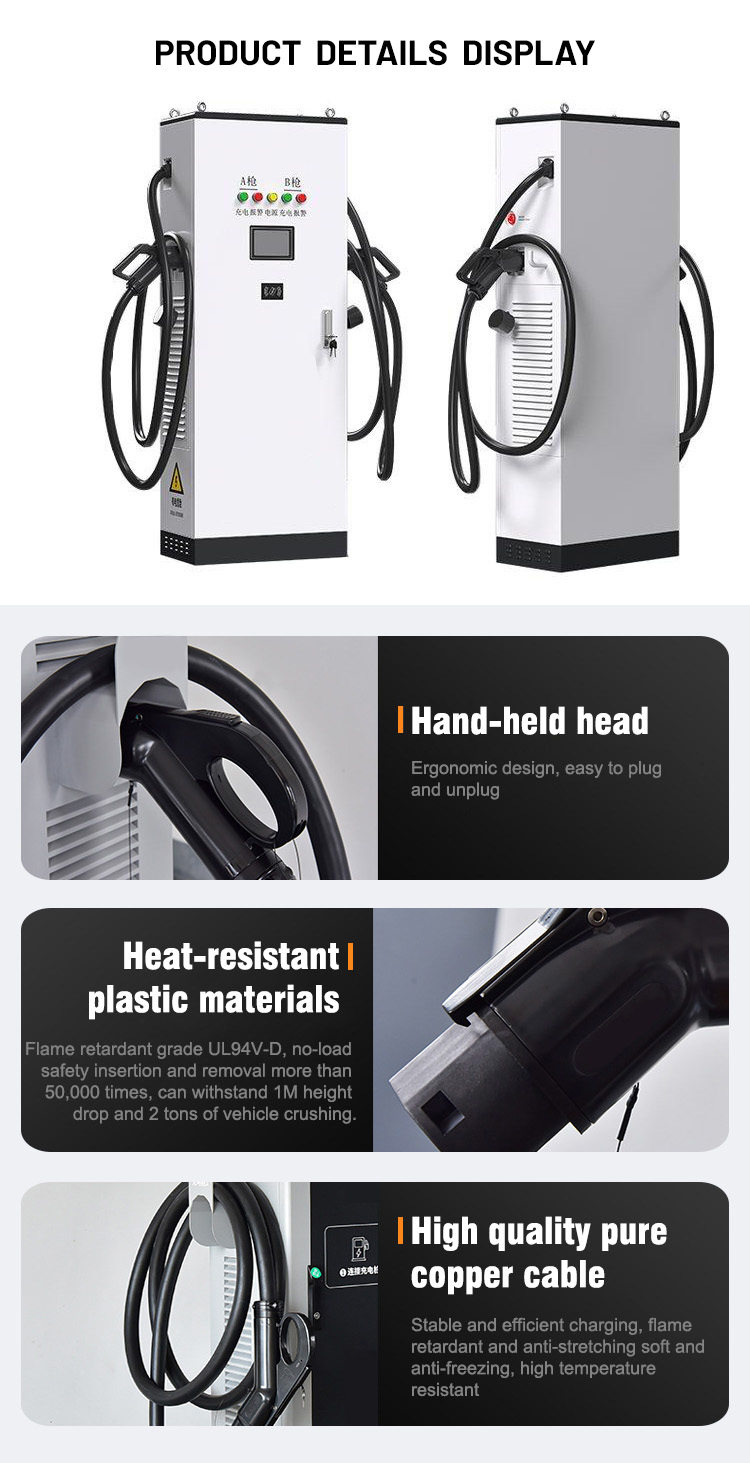
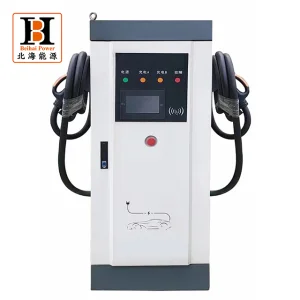
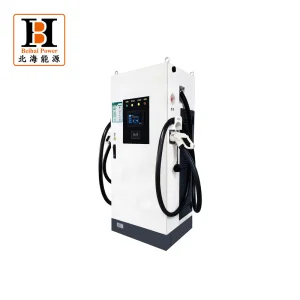
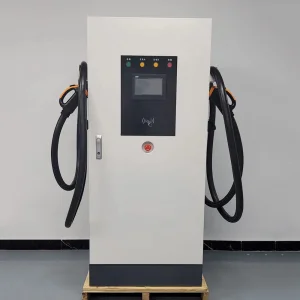
DC charging piles are widely used in the field of electric vehicle charging, incorporating advanced components for maximum reliability:
AC Input
Adjusts grid voltage to suit the needs of internal circuitry via high-efficiency transformers.
DC Output
AC power is rectified by parallel modules to meet high power requirements, equalized via the CAN bus.
Control Unit
The technical core responsible for output voltage, current, and safety switching.
Metering Unit
Records power consumption essential for precise billing and energy management.
Charging Interface
Standard-compliant interfaces ensure compatibility and safety for various EV models.
HMI
Includes an intuitive touch screen and display for real-time user interaction.
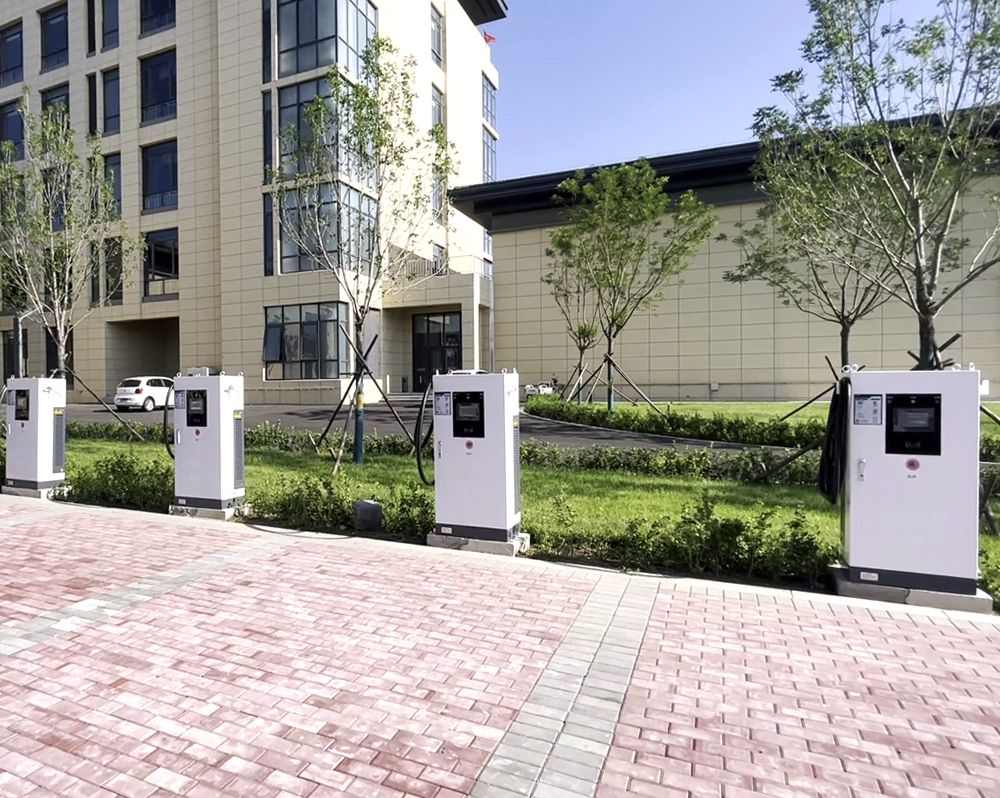
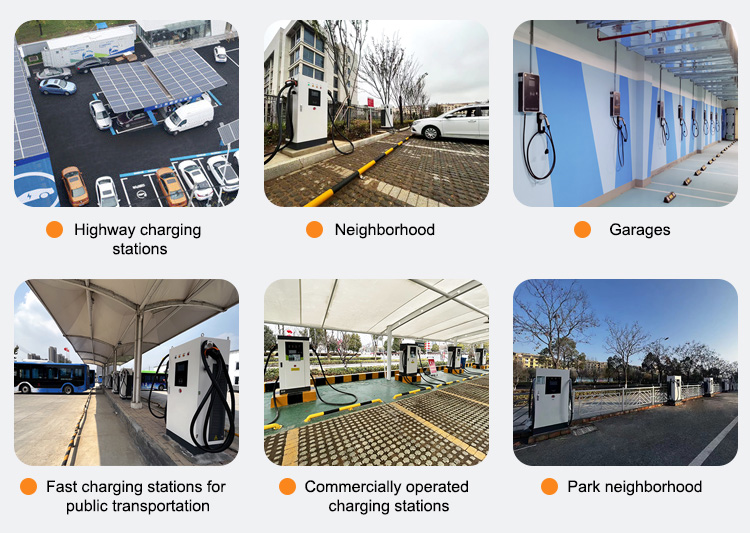
DC charging piles are widely used in public charging stations, highway service areas, and commercial centers, providing fast charging services that expand with the development of EV technology.
Public Transport
Vital for city buses, taxis, and operating vehicle fleets requiring quick turnaround.
Commercial Areas
Ideal for shopping malls, supermarkets, hotels, and logistics parks.
Residential Areas
Meeting the increasing demand as electric vehicles enter private households.
Highway Services
Essential for EV users traveling long distances, providing rapid energy replenishment.
Frequently Asked Questions
What is the main benefit of a DC fast charger compared to an AC charger?
DC fast chargers supply direct current directly to the vehicle's battery, bypassing the on-board charger. This allows for much higher power delivery (50kW-350kW) and significantly faster charging times.
How long does it take to charge an electric vehicle with a 150kW DC charger?
Typically, a 150kW charger can replenish about 80% of an average EV battery in approximately 30 minutes, depending on the vehicle's maximum intake rate.
Are these charging stations compatible with all electric vehicles?
The stations use standard-compliant charging interfaces. Compatibility depends on the specific connector type (such as CCS, CHAdeMO, or GB/T) supported by the vehicle.
What safety measures are in place during the charging process?
The system includes an initialization phase to verify compatibility, constant monitoring of voltage and current, and an automatic termination stage to prevent overcharging.
Can these chargers be installed in outdoor environments?
Yes, they are designed for floor-type installation in various environments, including highway service areas and public parking lots, with a wide operating temperature range of -20°C to 50°C.
How is the charging process started and billed?
Users can typically initiate charging via card swipe or QR code scanning. An integrated DC watt-hour meter ensures accurate recording of power consumption for billing.