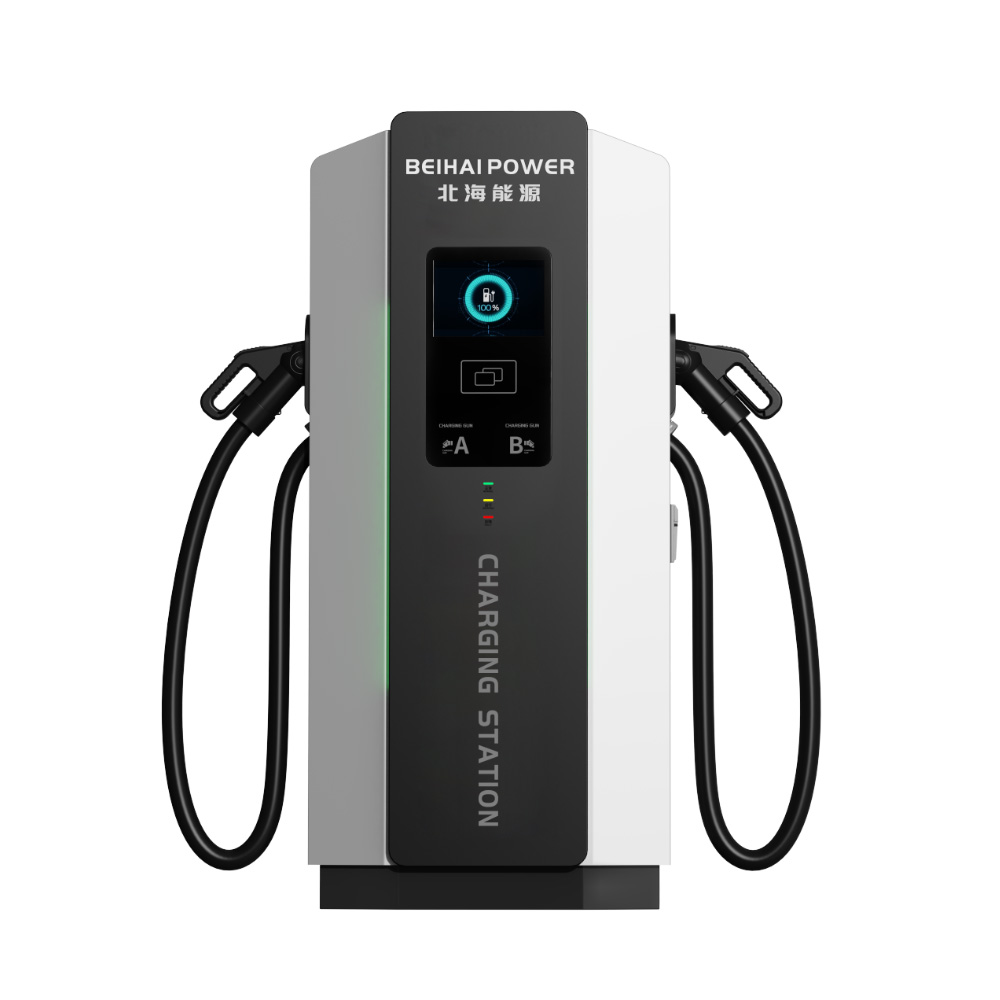
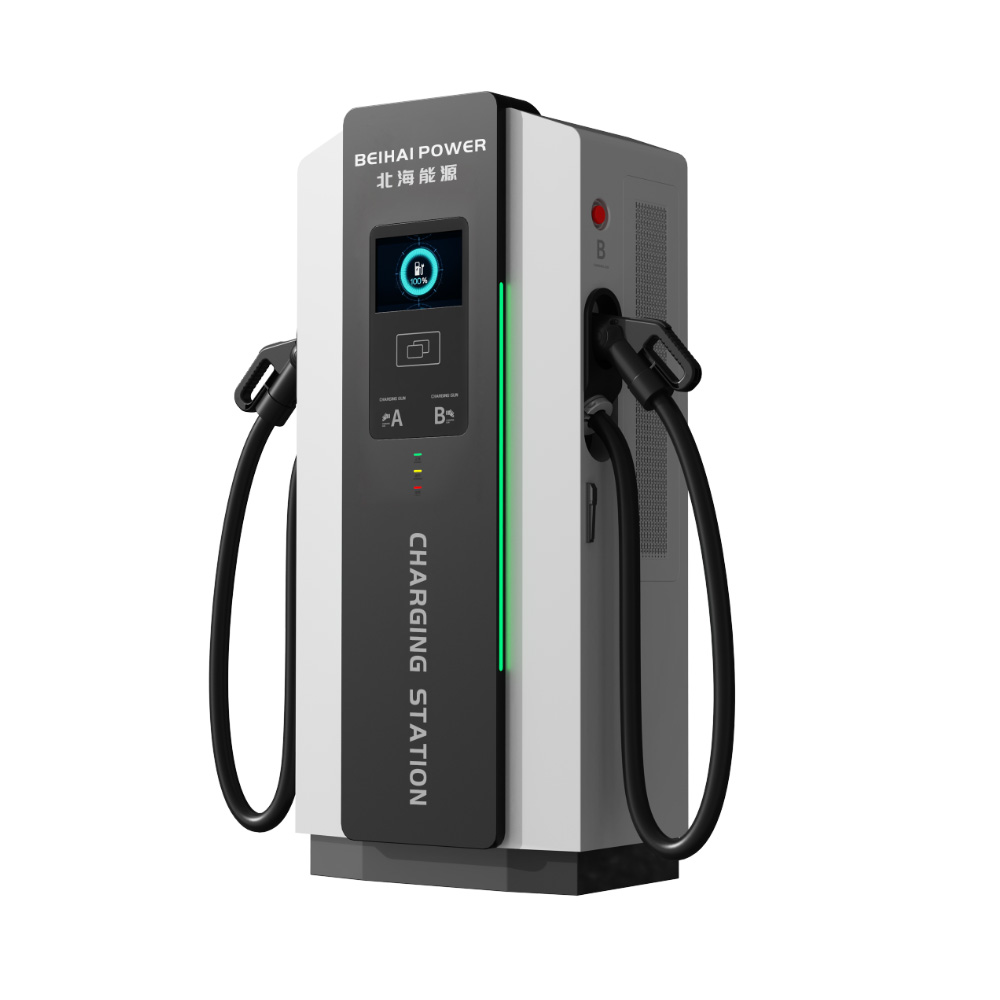
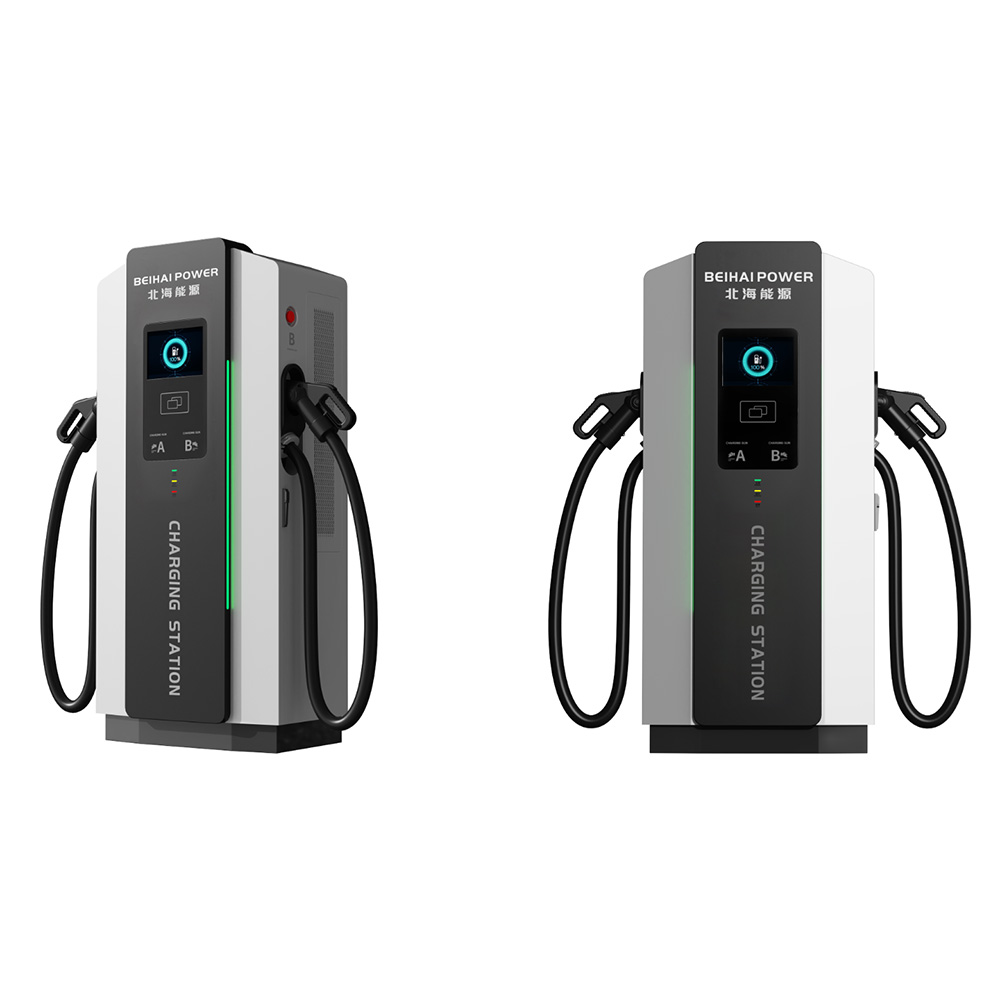
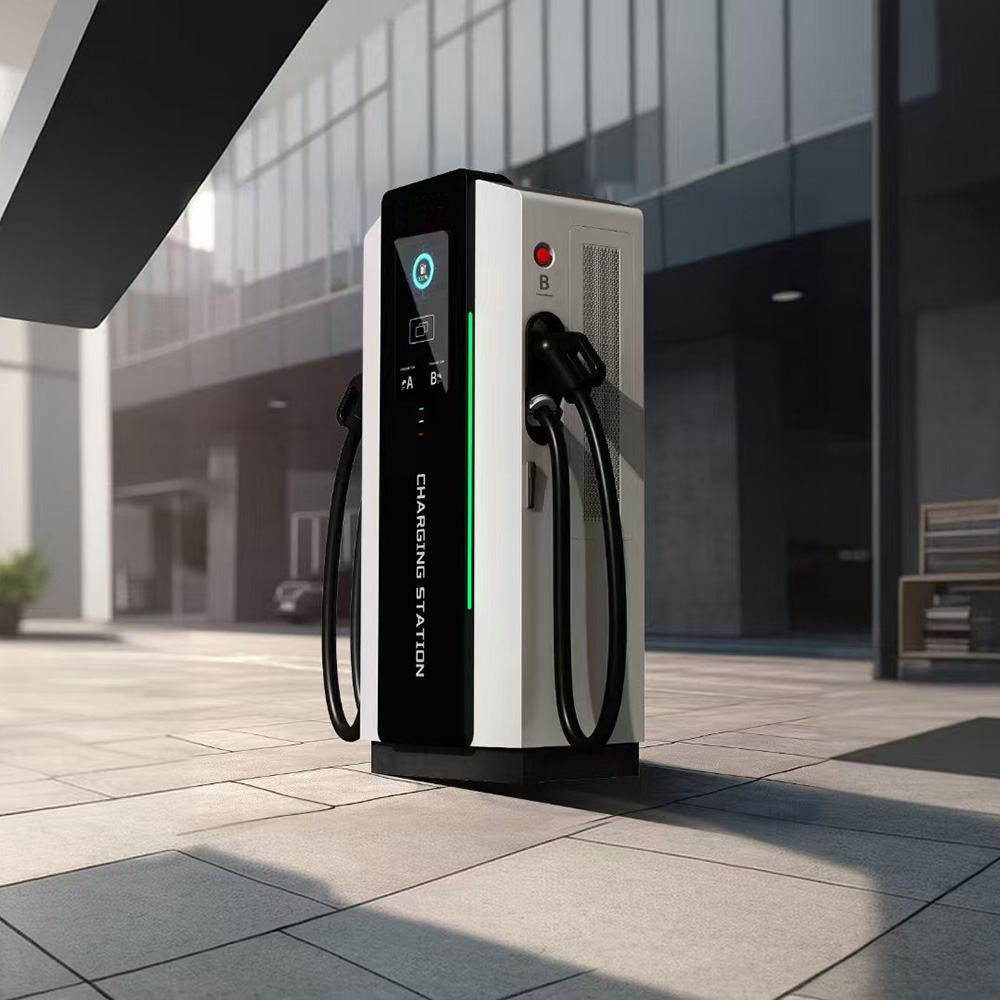
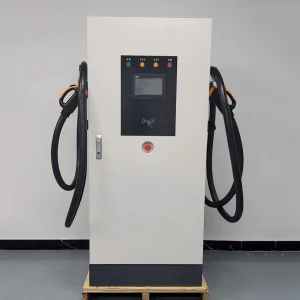
Product Description
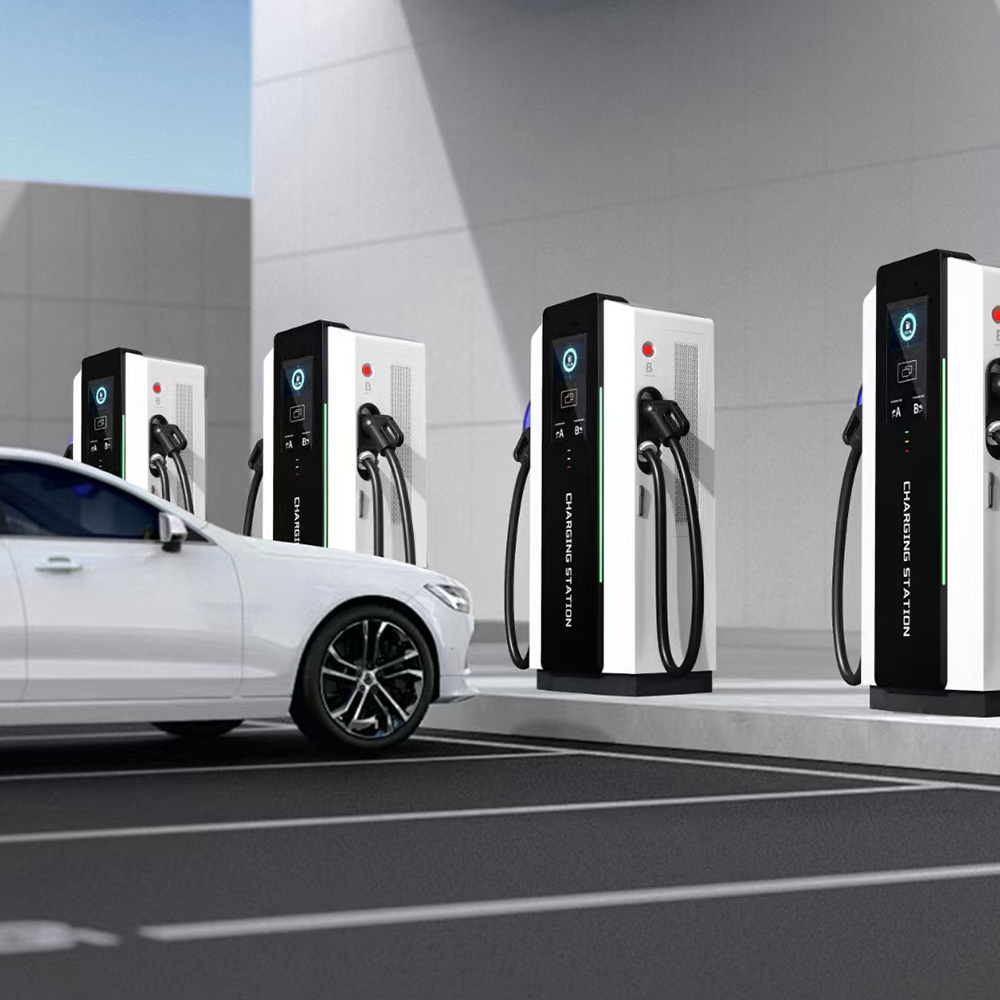
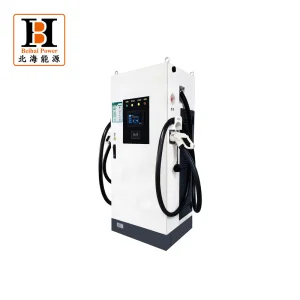
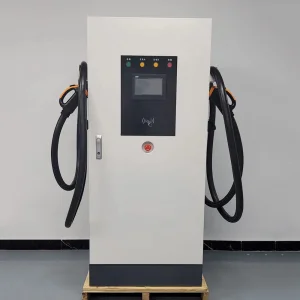
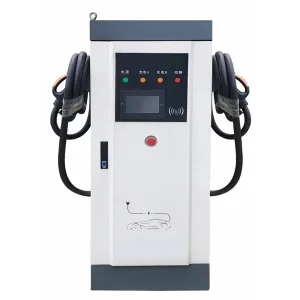
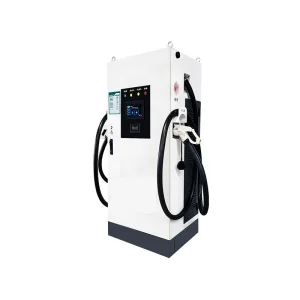
As the demand for electric vehicles (EVs) surges, the significance of direct current (DC) charging infrastructure becomes ever more prominent. DC charging stations, strategically located along highways and in urban centers, are essential for enabling seamless long-distance travel and convenient urban commuting for EV owners.
The mechanism of DC charging is centered around its ability to supply high-power direct current directly to the EV's battery pack. This is achieved through a rectifier unit within the charging station that converts the alternating current from the power grid into direct current. By doing so, it circumvents the relatively slower onboard charging converter of the vehicle, thereby substantially reducing the charging time. For example, a 200 kW DC charger can replenish around 60% of an EV's battery in approximately 20 minutes, making it a viable option for quick pit stops during a journey.
DC charging stations come in a variety of power ratings to cater to different needs. Lower-power DC chargers, around 50 kW, are often found in urban areas where vehicles may have more time to charge, such as in public parking lots or at workplaces. Mid-range power DC chargers, typically between 100 kW and 150 kW, are more suitable for locations where a balance between charging speed and infrastructure cost is required. High-power DC chargers, reaching up to 350 kW or even higher, are mainly deployed along major highways to facilitate rapid recharging for long-haul EV travel.
Product Features
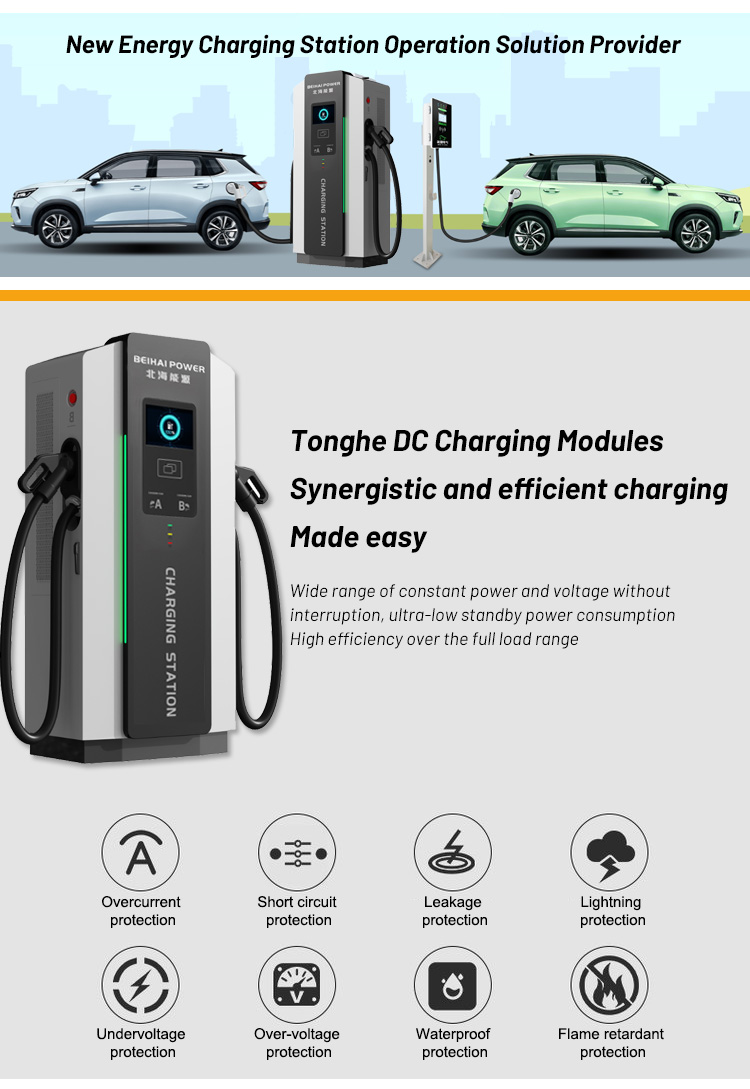
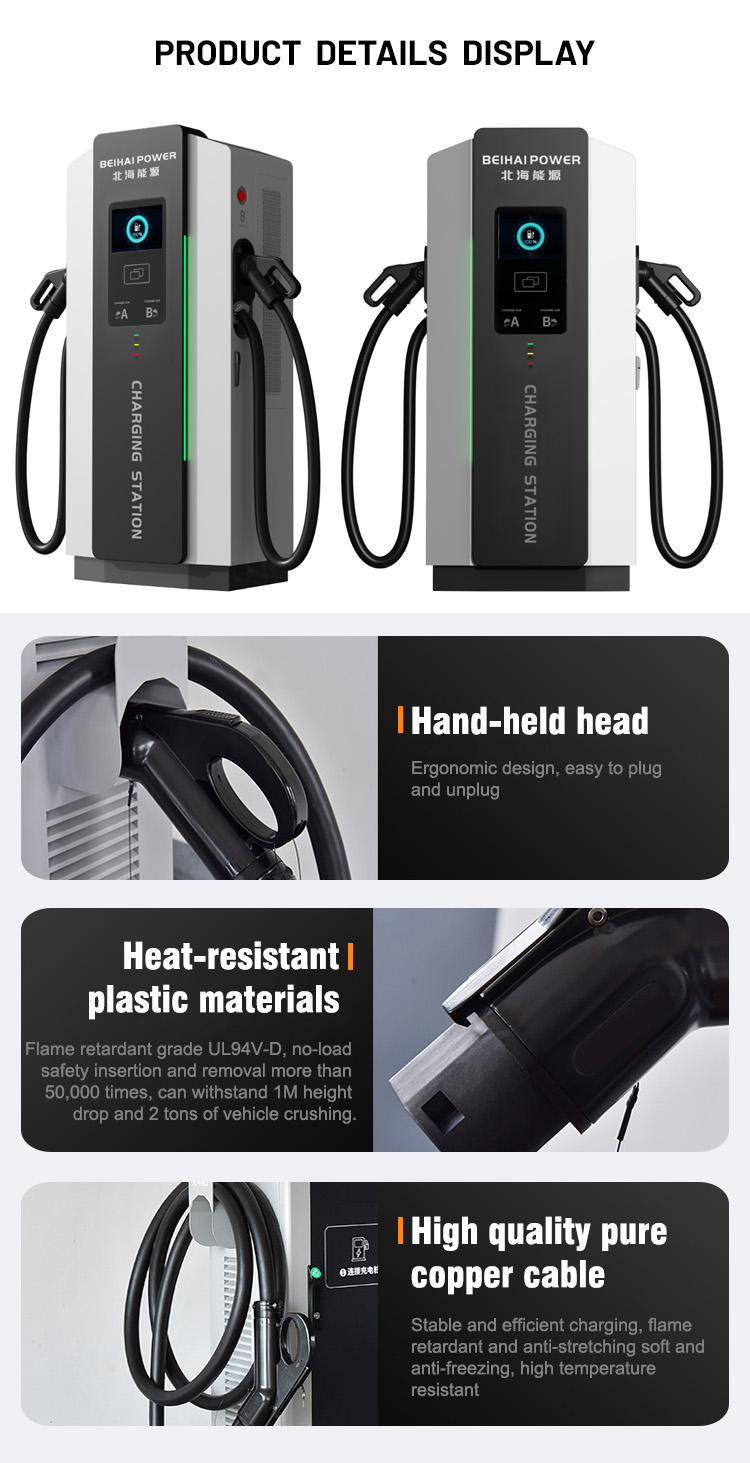
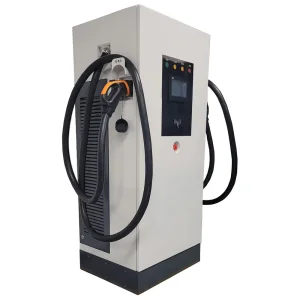
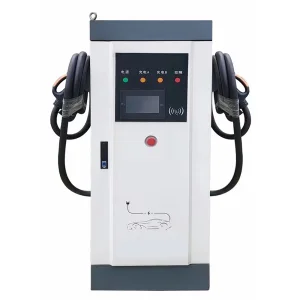
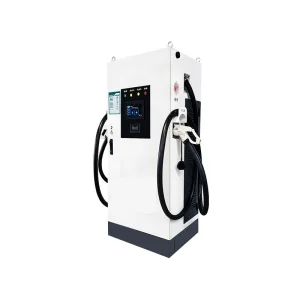
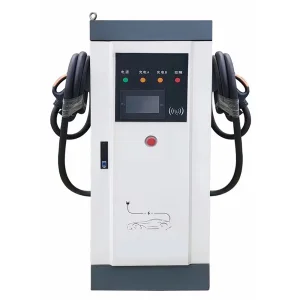
DC charging piles are widely used in the field of electric vehicle charging, incorporating advanced components for safety and efficiency:
AC Input Management
The system adjusts grid voltage through internal circuitry to perfectly suit the charger's requirements.
High Efficiency DC Output
Utilizes parallel charging modules (rectifiers) with CAN bus equalization to meet high power demands.
Advanced Control Unit
The technical core managing switching, voltage, and current to ensure maximum safety.
Smart Metering & HMI
Precise power recording via DC watt-hour meters and a user-friendly 7-inch touch interface.
Applications
DC charging piles provide fast charging services across various infrastructure sectors:
1
Public Transport: Essential for city buses, taxis, and fleet operating vehicles.
2
Commercial Hubs: Shopping malls, hotels, and logistics parks utilize these for customer and fleet convenience.
3
Residential Areas: Meeting the growing demand as EVs enter thousands of households.
4
Highway Services: Strategic placement at petrol stations for long-distance EV travel.
Frequently Asked Questions
How long does it take to charge an EV using a DC charger?
A high-power 200 kW DC charger can replenish approximately 60% of an EV's battery in about 20 minutes. Actual time depends on the vehicle's battery capacity and state of charge.
What is the main advantage of DC charging over AC charging?
DC charging supplies power directly to the battery, bypassing the vehicle's slower onboard converter. This allows for significantly faster charging speeds compared to standard AC units.
Are DC chargers compatible with all electric vehicles?
Most modern EVs are designed to support DC fast charging. However, the charging interface must match the vehicle's port (such as CCS, CHAdeMO, or GB/T standards).
Can these chargers be used in extreme weather conditions?
Yes, our DC chargers are designed to operate in temperatures ranging from -20°C to 50°C with a relative humidity of up to 95%, making them suitable for diverse climates.
What safety features are included in the charging pile?
The units include a centralized control unit that monitors voltage, current, and temperature, along with intelligent power distribution to ensure the safety of both the vehicle and the grid.
Is special maintenance required for these stations?
DC chargers are built for high reliability with an MTBF of 50,000 hours. Regular inspections of the air cooling system and charging cables are recommended to ensure peak performance.