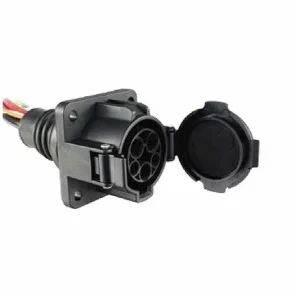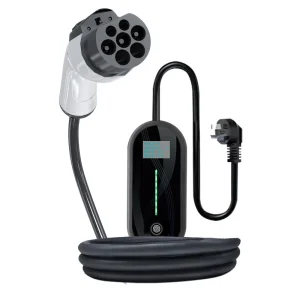
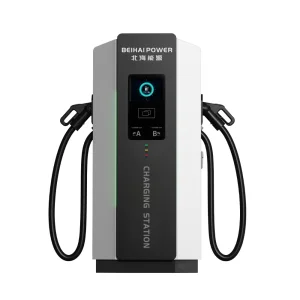
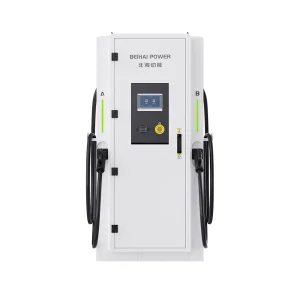
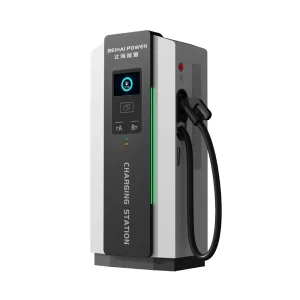
The global transition to electrification demands not just high power output, but the mechanical and electrical stability of standard connector interfaces. A Level 2 charging port (commonly complying with SAE J1772 / Type 1 in North America, or IEC 62196-2 / Type 2 in Europe) serves as the primary gateway for residential and commercial AC electric vehicle charging operations.
As veteran engineers and manufacturing partners, we understand that selecting a China Level 2 charging port manufacturer is a strategic decision that affects physical durability, electrical transmission efficiency, and system safety. Standard commercial grade charging demands consistent performance under high thermal loading (up to 80A continuous current at 240V), environmental seal integrity (IP54 to IP67), and mechanical life-cycles exceeding 10,000 mating operations.
This industrial guide explores how high-compliance engineering addresses the complex requirements of fleet operators, system integrators, and infrastructure deployment professionals globally.

Incorporates integrated PT1000 temperature monitoring inside the inlet terminals to prevent heat buildup and ensure safe operation during sustained heavy loads.
Equipped with low-resistance, silver-plated copper alloy pins that optimize electrical conductivity and withstand up to 10,000 cycles of insertion wear.
Meets IP54/IP67 ingress ratings in mated states, protecting sensitive charging logic and electrical contacts from dust, heavy rain, and debris.
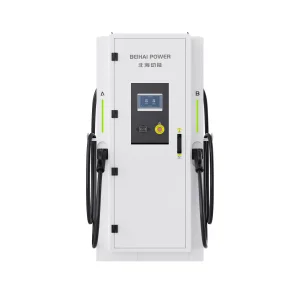
Beihai Power (China Beihai Power Co., Ltd.) is a specialized manufacturer dedicated to the innovation of DC fast-charging technology and smart AC charging technology. We bridge the gap between complex energy requirements and reliable infrastructure delivery for governments and commercial clients across Central Asia, Southeast Asia, the Middle East, Europe, Africa, South America, and North America.
Our core mission is to solve the critical challenges of charging speed, system reliability, and grid integration. By focusing on the performance of our integrated charging modules, we provide high-efficiency power solutions that ensure faster, safer, and more stable energy transfer for large-scale vehicle infrastructure projects.
With the capacity to fulfill bulk orders—such as our recent export shipment of 24 custom-configured DC fast-charging piles to Uzbekistan—we combine industrial-scale manufacturing with stringent quality control. Our production capability allows for rapid turnaround, including sample batch fulfillment for international export.
We do not offer "one-size-fits-all" solutions. We specialize in engineering adaptations, such as our 150kW Mobile DC Fast-Charging Solution integrated into commercial vans, developed specifically to meet the unique grid and environmental requirements of our clients in Colombia and the USA.
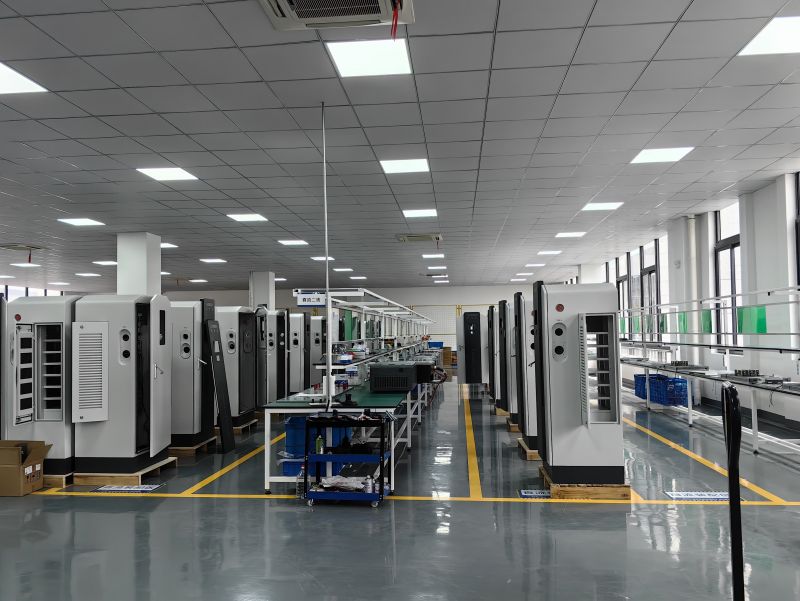
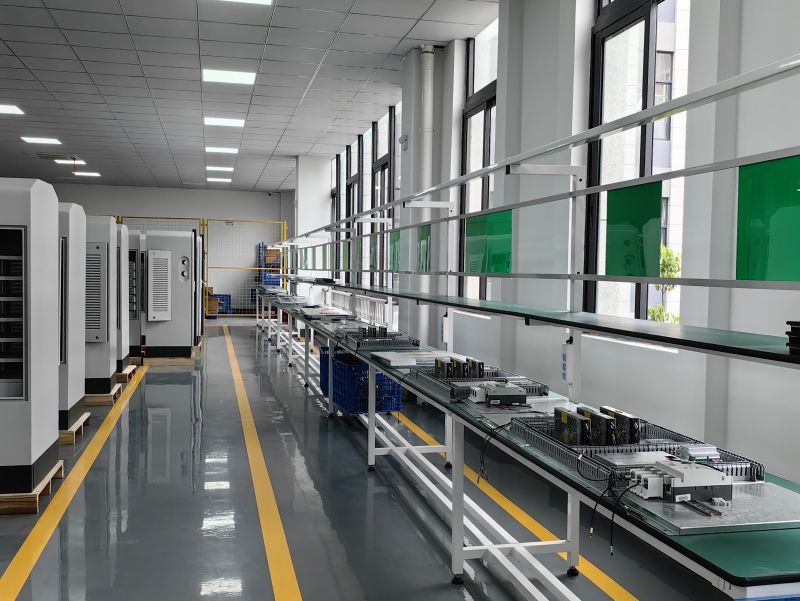
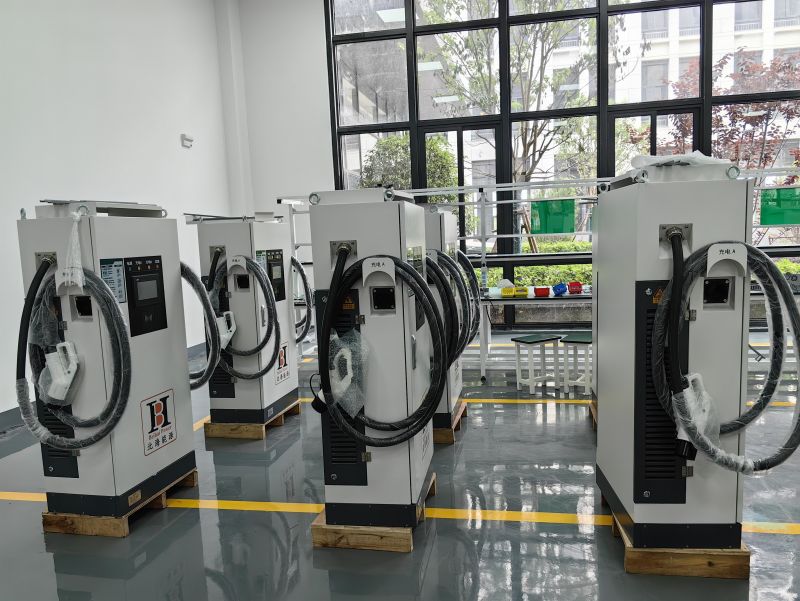
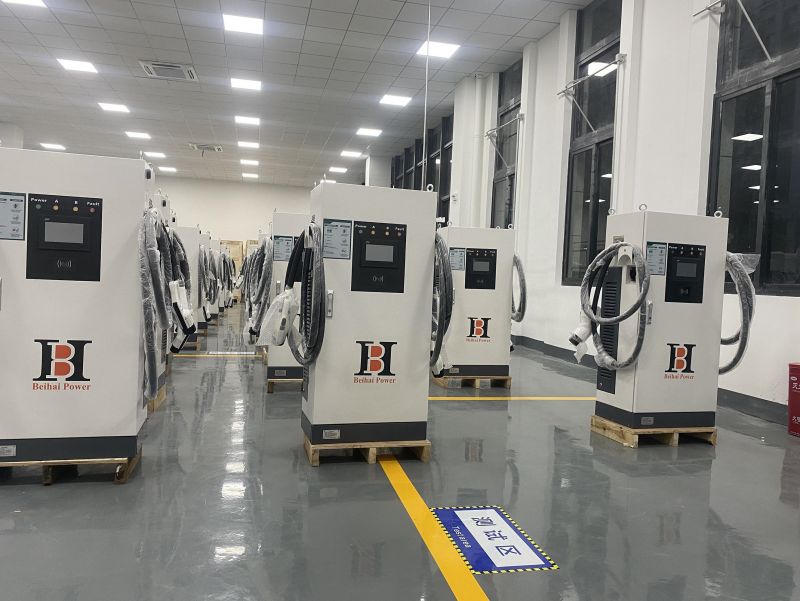
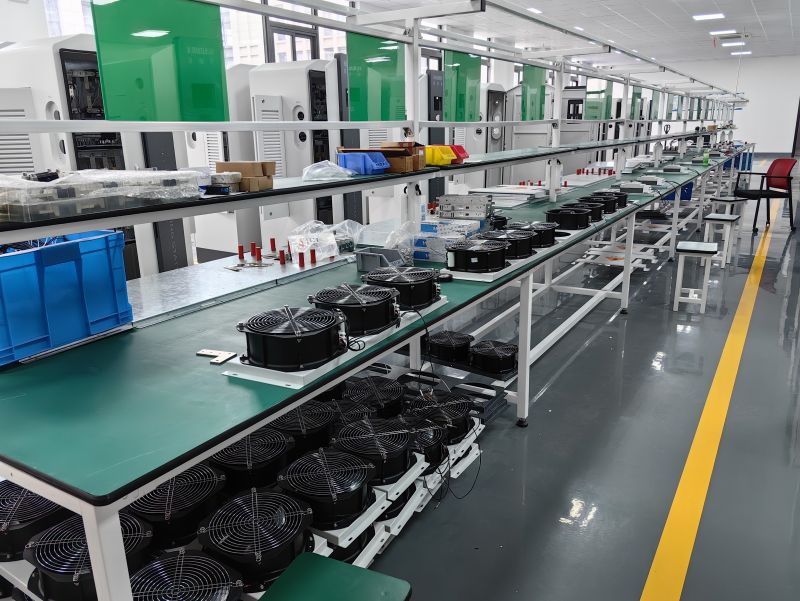
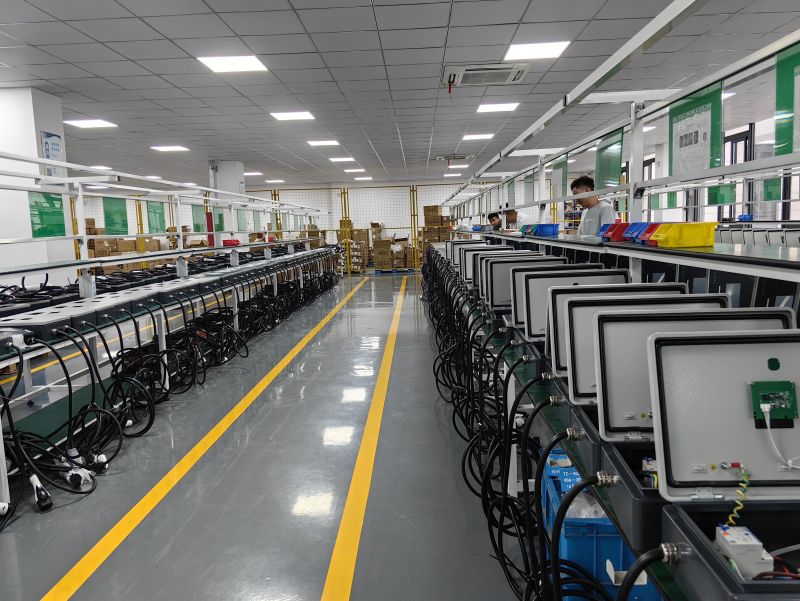
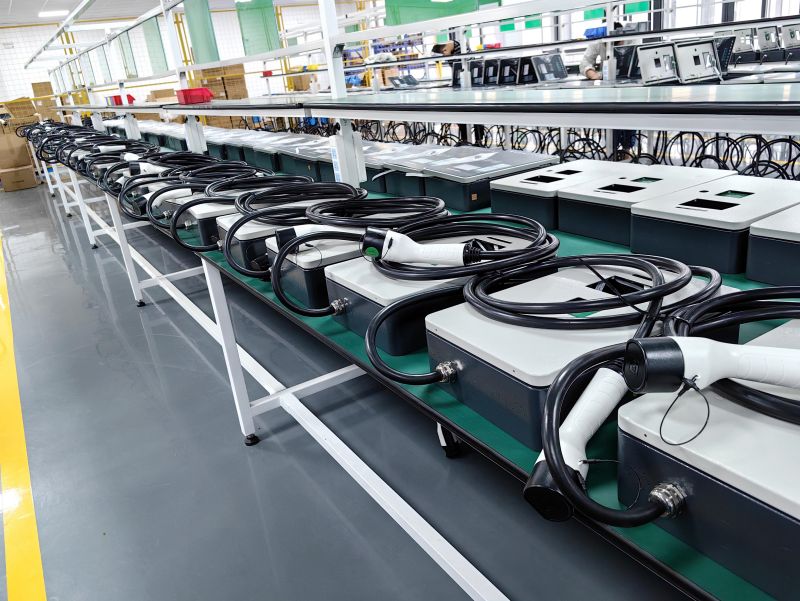
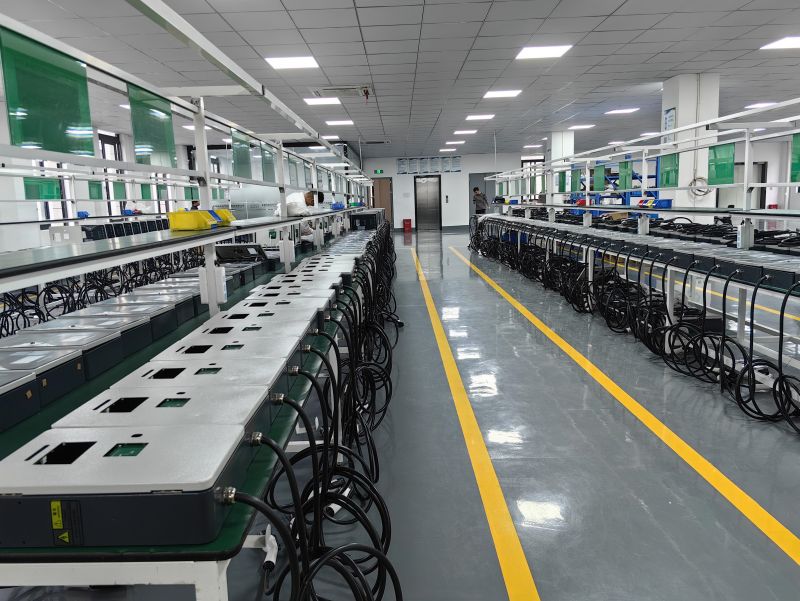
High-precision laser cutting of raw metal plates to lay the foundation for a robust chassis construction.
CNC bending and robotic welding forming high-rigidity structural frameworks with IP rating support.
Integration of environmental seals, industrial locks, and double-wall ventilation structures.
Comprehensive physical inspection to guarantee resistance to water ingress, impacts, and paint adhesion defects.
SMT placement and precise testing of inner logic boards, signal filters, and communication modules.
High-gauge power wire installation, terminal crimping, and mechanical layout structuring.
Dynamic simulated load testing under maximum electrical specifications to verify logic control stability.
Establish communication with our technical sales division for custom engineering assistance.
Global procurement teams encounter dynamic environments when sourcing EV charging components. For Level 2 charging systems, standard conformity is a major factor. Sourcing engineers face distinct regional demands that require careful planning:
Why do industry leaders prioritize purchasing directly from a China Level 2 charging port factory? It allows for deeper engineering customisation. By working with a direct manufacturer, buyers can configure structural variables such as custom lead wire length, high-temperature sensor configurations (PT1000/NTC thermistors), and tailored outer shell molding to fit into proprietary wallboxes or post mounts.
Additionally, vertical integration allows us to optimize production lead times. From material cutting to final wiring and testing, our production line handles fabrication in-house, reducing external delays and maintaining quality control for export orders.
We construct our external casings using engineered polymer formulations reinforced with glass fibers. This configuration provides high resistance to impact, chemical exposure, and UV degradation, and maintains mechanical alignment across a wide temperature range (-40°C to +80°C).
We stabilize communication protocols (Control Pilot & Proximity Detection) using low-loss, shielded twisted pair signal wires built directly into the port terminal block. This prevents EMI issues from interfering with charging authorization loops.
Our internal pins feature a self-wiping profile. With every insertion, friction clears potential surface oxidation, maintaining low resistance (R_contact < 0.5mΩ) and protecting the EVSE power modules.
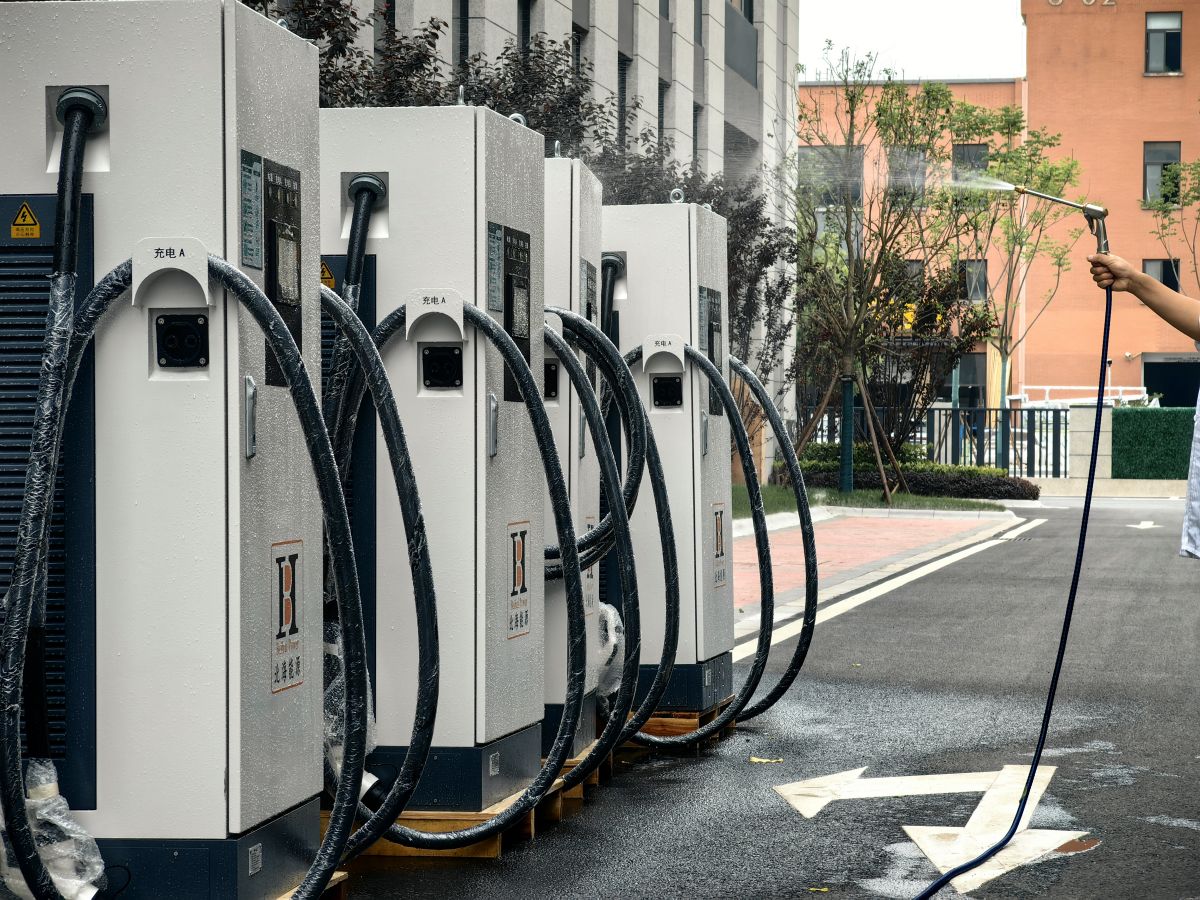
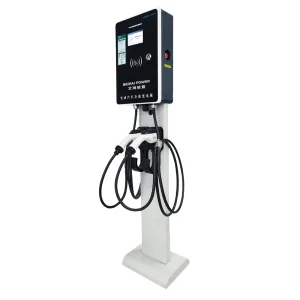
At Beihai Power, we back our manufacturing operations with dedicated technical support. We employ specialized R&D personnel and management teams to design and produce AC and DC charging stations tailored to customer specifications. We offer complete solutions in the field of charging station applications and efficient, fast services.
To ensure consistent quality, the company has established a comprehensive user service system under the direct supervision of the general manager. This system tracks products from the manufacturing floor to on-site operation, providing end-to-end technical support and service monitoring.
Whether you require standard 16A/32A AC charging sockets or high-power 240kW/480kW liquid-cooled split units, our engineering division supports the project from initial RFQ and environmental integration checks to final certification compliance.
Our production processes and charging solutions comply with key international directives. Below are the verified test certifications and compliance frameworks governing our manufacturing operations:
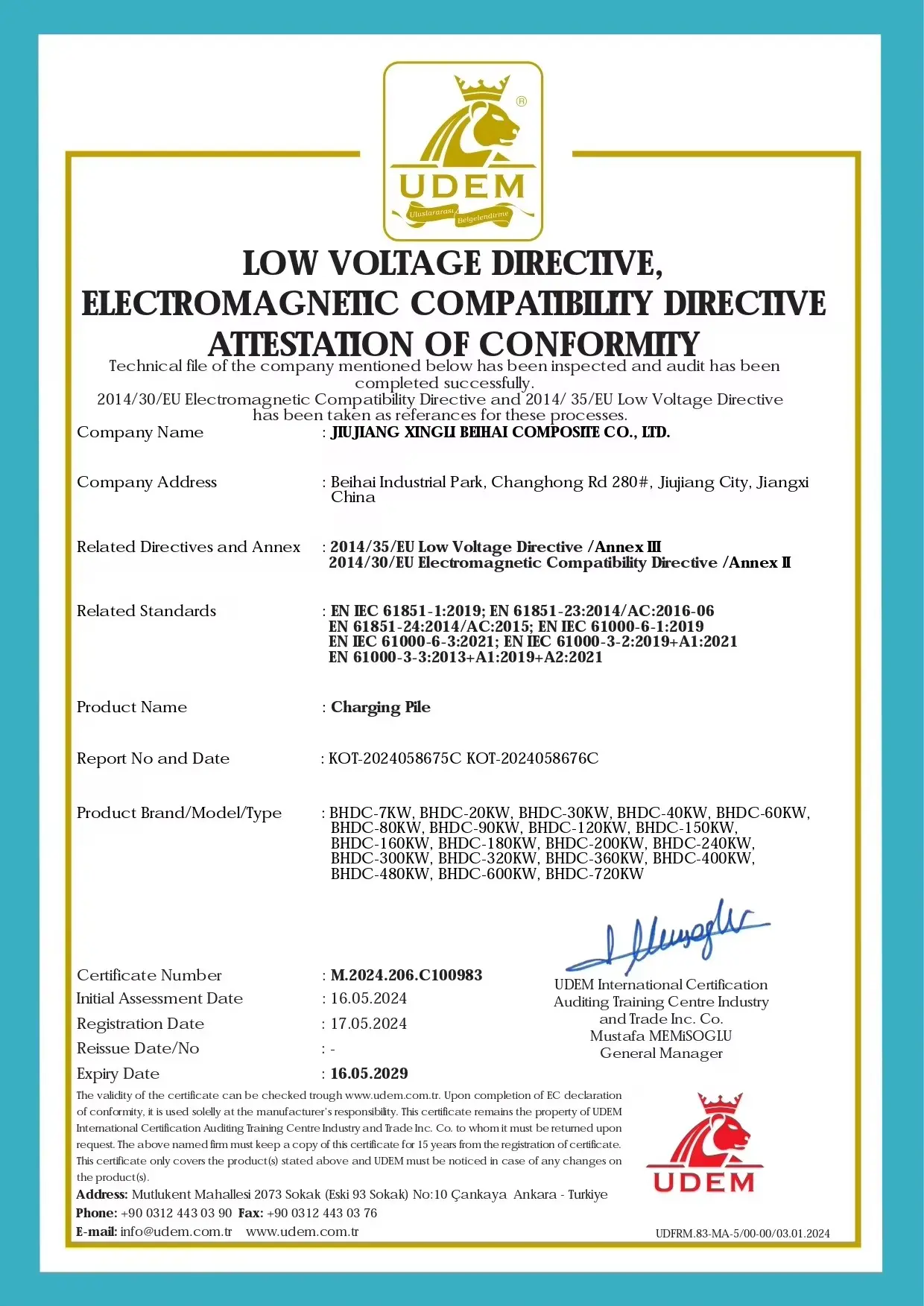
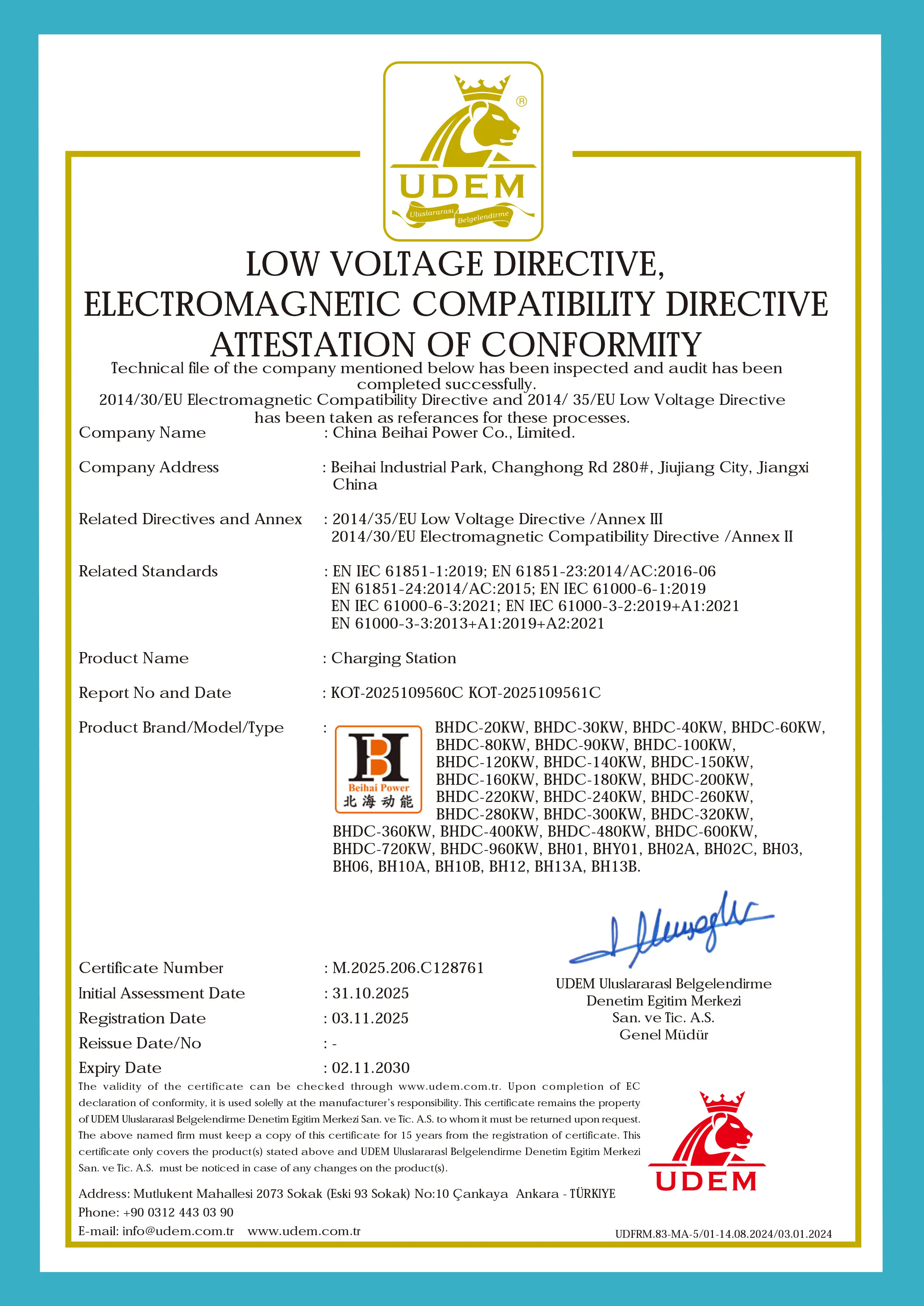
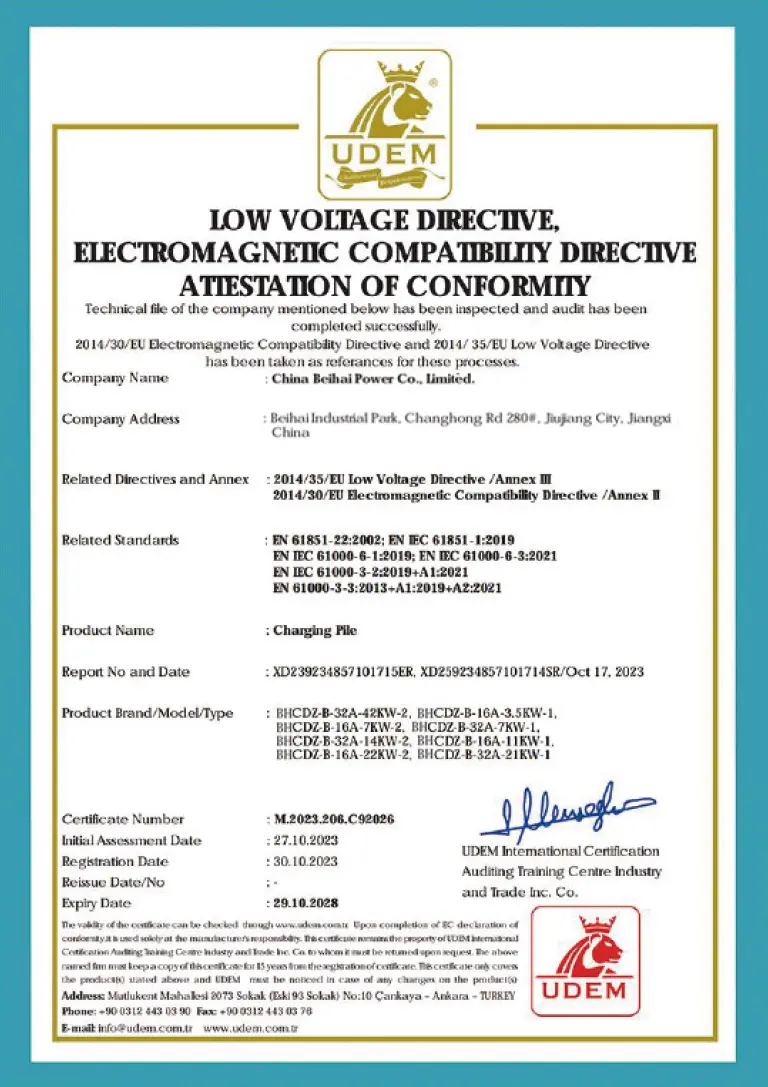

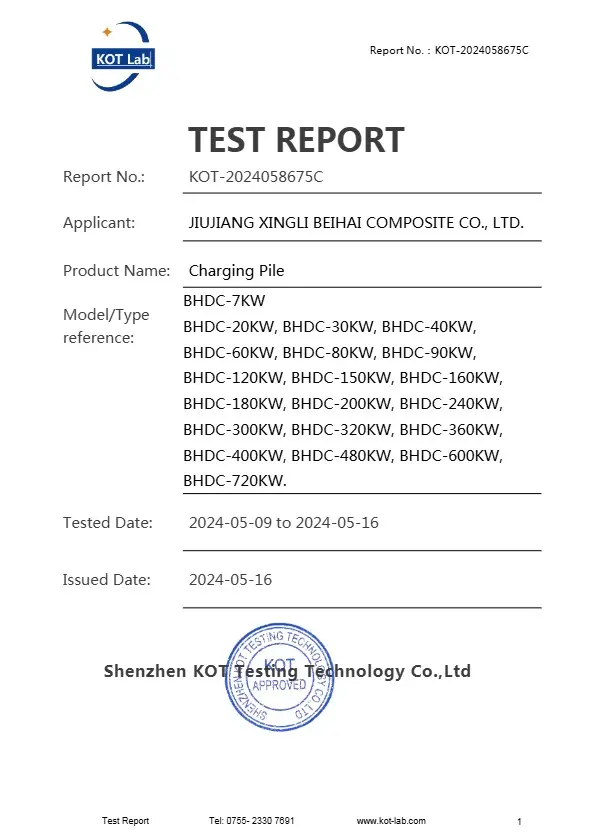
What base materials are used for terminal pins in Level 2 ports, and how does it prevent hot spots?
We use highly conductive copper alloys coated with a minimum 5-micrometer silver plating layer. This configuration keeps contact resistance below 0.5 milliohms. Silver has high electrical and thermal conductivity, which minimizes heat generation. To further improve safety, we can integrate PT1000/NTC thermal sensors directly inside the socket body to alert the control logic if temperatures exceed safe operating limits.
How does your factory manage water and dust ingress for outdoor charging systems?
Our Level 2 charging ports feature high-durability internal rubber gasket rings and sealing sleeves made of custom EPDM elastomer. When mated, the connection meets IP55 or IP67 standards, depending on the model, preventing dust and moisture ingress. Sockets designed for public stations also include an integrated drainage channel to divert water away from the electrical contacts.
What customization options are available for OEM charging station integrators?
We offer extensive customization, including custom lead-wire gauges and insulation types (TPE/PUR), integration of electromechanical locking actuators, specific mounting plate dimensions, and custom corporate branding on the port cover caps. Contact our technical team during the RFQ stage to configure these options.
How do you ensure compatibility between J1772 and European Type 2 configurations?
We manufacture our components in compliance with SAE J1772 (Type 1) and IEC 62196-2 (Type 2) mechanical and electrical standards. This ensures interoperability across charging networks. Additionally, our dual-gun stations are configured with appropriate control logic to support different connector formats simultaneously.