
The rise of electric vehicles (EVs) has transformed the automotive landscape. As more consumers choose EVs, the demand for convenient charging solutions grows. Mobile EV charger stations have emerged as a practical option for many. They offer flexibility and accessibility, addressing the challenge of charging infrastructure.
Mobile EV charger stations are not just a trend; they represent a shift in how we think about energy consumption. These stations can be deployed in various locations, from urban centers to remote areas. Their portability allows users to charge their vehicles during travel or at temporary events. However, the technology is still evolving. Some stations lack the speed required for quick charging, and their availability can be inconsistent in certain regions.
Investing in mobile EV charger stations requires careful consideration. Global buyers must evaluate the durability, charging speed, and compatibility with different vehicle models. Furthermore, local regulations and environmental impact should not be overlooked. The right mobile EV charger station can greatly enhance the electric vehicle experience, making it more seamless and efficient for users.
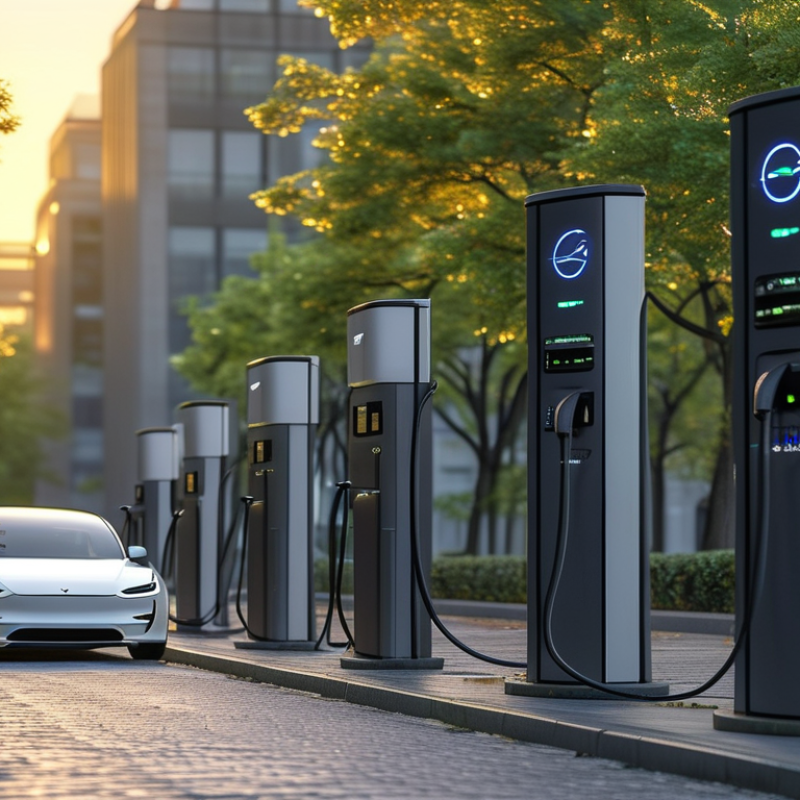
Mobile EV Charger Stations are transforming the electric vehicle landscape. Their importance is evident as the global EV market expands rapidly. According to a recent report by the International Energy Agency, sales of electric vehicles reached 6.6 million in 2021, a 108% increase year-on-year. This surge creates a pressing need for reliable charging solutions.
Many consumers prioritize convenience and accessibility when choosing an EV. Mobile chargers offer flexibility, enabling users to charge cars at various locations. For instance, fleet operators often benefit from mobile chargers deployed at strategic points. However, the supply chain remains challenged. Manufacturing delays and material shortages impact availability. Furthermore, ensuring compatibility with various EV models can complicate user experiences.
Market research indicates that the mobile charging station segment is poised for significant growth. A report from Research and Markets estimates a compound annual growth rate (CAGR) of 22% from 2022 to 2030. This forecast signals a growing recognition of mobile solutions. Yet, the industry must address infrastructure gaps and user education on charging efficiency to maximize potential. Insights into user preferences can fuel further innovation, enhancing the overall EV ownership experience.
: Mobile EV chargers enhance convenience and accessibility. They are essential as the EV market expands.
A report estimates a 22% growth rate from 2022 to 2030. This indicates increasing recognition of mobile solutions.
Charging speed and capacity are key. Portability and durability also matter. Ensure compatibility with various EV models.
Fast chargers can deliver up to 80% charge in about 30 minutes. This is crucial for efficient travel.
Understanding charging efficiency can enhance user experiences. This knowledge helps users maximize their EV's potential.
Costs vary based on power capacity and installation. Ongoing maintenance and energy expenses can also impact budgets.
Hidden repair costs can strain finances. Buyers often overlook these, which can lead to financial challenges later.
Continuous feedback is essential. It helps manufacturers address usability gaps and enhances the overall experience.
Analyze initial costs, maintenance, and energy prices. Balancing upfront costs with future savings is vital for informed decisions.
A lightweight design allows easy transport. This feature increases the practicality of using chargers in various locations.
The article "Best Mobile EV Charger Station Solutions for Global Buyers" provides a comprehensive overview of the increasing significance of Mobile EV Charger Stations in the evolving electric vehicle market. It emphasizes the need for flexibility and accessibility in charging solutions as the demand for electric vehicles continues to rise. Key features to consider when selecting a Mobile EV Charger Station include charging speed, portability, compatibility with various vehicle models, and durability for different environments.
Furthermore, the article explores top Mobile EV Charger Station solutions available to global buyers, alongside a detailed cost analysis to assist in budgeting for these essential technologies. It also discusses future trends in Mobile EV Charging technology, highlighting advancements that may shape the industry. With the upward trajectory of electric vehicle adoption, understanding these aspects is crucial for consumers and businesses looking to invest in efficient and effective Mobile EV Charger Stations.
