
How to Choose an EV Super Charging Station?

Time:2026-10-13 Author:Isabella
0%

Choosing an Ev Super Charging Station is no longer a simple search for the highest charging speed. Drivers must compare power output, connector compatibility, uptime, pricing, location, and payment access. A 350-kilowatt label may sound impressive, but the vehicle may accept far less power. The battery temperature, charge level, and station load also change real charging time.

The International Energy Agency reported in its Global EV Outlook 2024 that more than four million public charging points existed worldwide by the end of 2023. Public charging infrastructure expanded by over 40% during that year. Fast-charging networks grew particularly quickly. However, expansion does not automatically mean reliability. A broken screen, blocked parking bay, or weak mobile signal can turn a ten-minute stop into a frustrating delay.

As IEA Executive Director Fatih Birol said, “The growth of electric vehicles is unstoppable.” His observation highlights a practical challenge: charging networks must grow with the vehicles using them. A suitable Ev Super Charging Station should therefore offer dependable hardware, transparent prices, convenient access, and clear technical support. Check recent user reviews, not only promotional claims. Look for verified uptime and nearby alternatives. Small details matter, especially during winter travel or long-distance driving.

This guide will examine charger speed, network coverage, connector standards, installation quality, energy efficiency, and operating costs. It will also question a common assumption: faster is always better. Sometimes, a reliable 150-kilowatt station near a café is more useful than an isolated 350-kilowatt site. The best choice depends on the vehicle, route, budget, and real-world charging conditions.
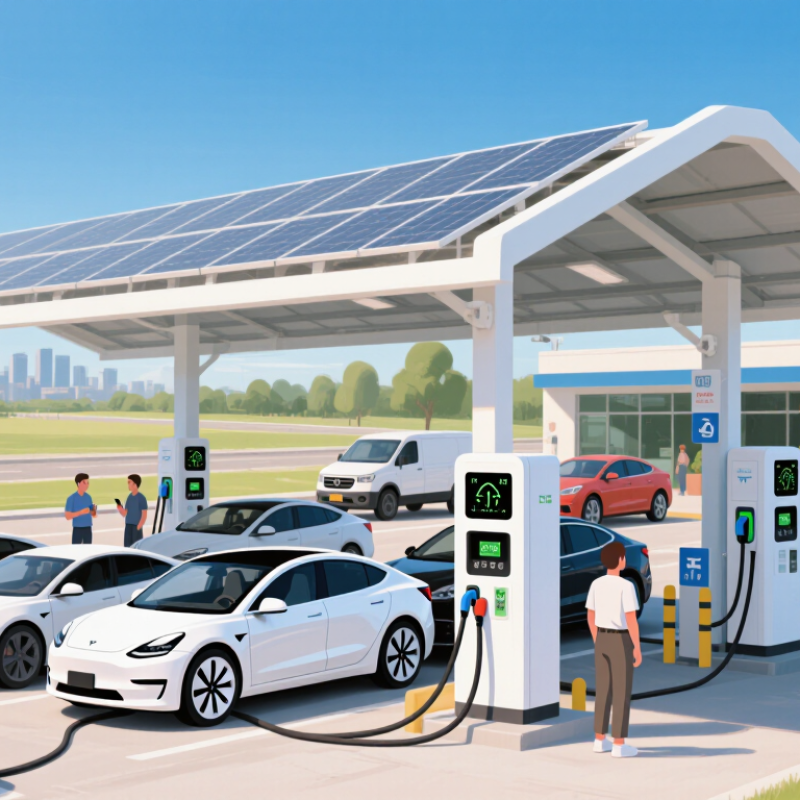
How to Choose an EV Super Charging Station?

Understanding EV Supercharging Standards and Power Ratings

Choosing an EV supercharging station starts with compatibility, not the highest advertised number. Check the vehicle’s inlet and local charging standard, such as CCS2, Type 2, or CHAdeMO. A matching connector still does not guarantee full performance. Software, battery temperature, and vehicle limits also control charging speed.

Power ratings need careful reading. A 150 kW charger may deliver less when two vehicles share its cabinet. The battery may also reduce power after reaching roughly 70–80% charge. According to the International Energy Agency’s Global EV Outlook 2024, the world had more than four million public charging points by the end of 2023. Nearly 1.3 million were added that year. This growth improves access, but station quality remains uneven.

Look for sustained output, clear pricing, and reliable payment access. The charging curve matters more than the peak rating. For a long trip, a 100 kW station with stable output may outperform a poorly managed 250 kW unit. The European Alternative Fuels Observatory also emphasizes transparent information on connector types and available power. Read the station display before plugging in. It should show voltage, current, and delivered power. Small details matter.

I have found that weather changes the experience. Cold batteries can charge slowly, even beside a powerful cabinet. A short preconditioning drive may help, but it consumes energy. That trade-off deserves more attention. Choose a station with lighting, safe parking, and nearby facilities, not only impressive numbers.

How to Choose an EV Super Charging Station?

Understanding EV charging standards and power ratings helps match a charging station with the vehicle, installation capacity, and required charging speed.

The values show representative rated power levels: household AC charging is typically around 2.3 kW, public AC charging can reach 22 kW, and DC fast-charging equipment commonly ranges from 50 kW to 350 kW. Actual charging speed depends on the vehicle, battery temperature, state of charge, grid capacity, and station configuration.

Assessing Vehicle Compatibility and Charging Connector Types

Choosing an EV super charging station starts with the vehicle’s inlet, not the station’s impressive power rating. AC charging commonly uses Type 1 or Type 2 connectors. DC fast charging may use CCS, CHAdeMO, or the SAE J3400 connector. These systems are not automatically interchangeable. A physical fit does not guarantee communication, safe power delivery, or payment approval.

The International Energy Agency’s Global EV Outlook 2024 reports more than four million public charging points worldwide at the end of 2023. Over 1.3 million were added that year. This rapid expansion creates convenience, but also confusion.

Check your vehicle manual for its connector type and maximum DC input. Then compare the station’s voltage, amperage, and cable rating. A 350-kilowatt station may deliver far less power to an older vehicle.

Battery temperature, charge level, and software can also reduce speed. Real-world charging is messier.

Tips: Photograph your inlet before traveling. Confirm the connector standard in the charging app or station screen. If using an adapter, choose an approved model with the correct power rating. Avoid forcing a connector. NREL research on charging infrastructure also highlights the importance of interoperability and reliable communication. I still recommend testing a nearby station before a long trip; specifications can look perfect, yet the session may fail.

Comparing Charging Speed, Station Availability, and Location

How to Choose an EV Super Charging Station?

Charging speed matters, but the fastest socket is not always the best choice. A high-power station may add hundreds of kilometers in 20 minutes under ideal conditions. Battery temperature, charge level, and vehicle limits can reduce that result. The International Energy Agency reported more than 4 million public charging points worldwide at the end of 2023, with over 1.3 million added that year. More stations help, but performance still varies.

Check availability before leaving. A station with eight connectors is usually more practical than one with two. However, a popular site can still have a queue during holidays or evening travel. Public charging data from the U.S. Department of Energy shows that station counts and connector counts are different measurements. That detail is easy to miss. Use live status information, yet treat it cautiously. Some systems update slowly.

Location affects the whole charging experience. A site near restrooms, food, or a safe indoor waiting area can make a 25-minute stop feel shorter. Highway access also matters; a remote station may save distance but offer fewer alternatives. I would compare at least two nearby locations when possible. That takes extra planning. It can prevent a stressful detour when the first station is occupied or offline. A balanced choice considers real charging speed, current availability, route distance, and the quality of the surrounding stop.

How to Choose an EV Super Charging Station? - Comparing Charging Speed, Station Availability, and Location
Charging Category Typical Output Approximate Time to Charge a 60 kWh Battery from 10% to 80% Approximate Driving Range Added in 15 Minutes Station Availability Best Location Types Recommended Use
Standard AC Charging 3.6–7.4 kW Approximately 6–12 hours Approximately 15–30 km Very high Residential garages, workplaces, hotels, and long-stay car parks Overnight charging and vehicles parked for several hours
High-Power AC Charging 11–22 kW Approximately 2–5 hours Approximately 45–90 km High Shopping centres, offices, public car parks, and residential complexes Daily charging when the vehicle remains parked for one to several hours
Entry-Level DC Fast Charging 25–50 kW Approximately 45–100 minutes Approximately 35–70 km High Urban charging hubs, roadside facilities, supermarkets, and service areas Top-ups during short errands or moderate-length stops
Standard DC Fast Charging 75–150 kW Approximately 25–55 minutes Approximately 80–175 km Medium to high Highways, major urban corridors, travel centres, and fleet depots Road trips and charging during a meal or short break
High-Power DC Charging 175–250 kW Approximately 18–35 minutes Approximately 190–290 km Medium Major highway routes, high-traffic corridors, and dedicated charging plazas Rapid highway charging for vehicles that support high charging rates
Ultra-High-Power DC Charging 300–350 kW Approximately 12–25 minutes Approximately 250–350 km Limited to medium Premium highway hubs, intercity routes, and heavily used transport corridors Fastest practical charging when the vehicle and battery are compatible
Charging times and added range are general estimates based on a 60 kWh battery and typical energy consumption of approximately 18–22 kWh per 100 km. Actual performance depends on the vehicle's maximum charging rate, battery temperature, state of charge, charger power sharing, weather, and charging-curve limitations. For reliable travel, prioritise stations with 24-hour access, multiple charging points, clear pricing, live status information, and convenient proximity to your route.

Evaluating Pricing, Payment Methods, and Membership Requirements

Choosing an EV super charging station means checking the final cost, not only the advertised rate. During road trips, I have seen prices change by time, location, and charging speed. Some stations charge by kilowatt-hour, while others add connection, parking, or idle fees. Read the price screen before plugging in. A powerful charger may cost more, yet it can save time when your battery is low. Compare the estimated total for your route, not just the lowest number.

Payment methods also deserve practical attention. Confirm whether the station accepts contactless cards, mobile wallets, or charging accounts. A reliable network should show fees clearly and provide a digital receipt.

I prefer keeping two payment options ready because weak reception can interrupt account verification. Offline payment may not work everywhere. Check your vehicle’s connector and the station’s instructions before arrival. A small mistake can mean a long detour.

Tips:

Test the payment process at home, especially if membership is required. Memberships can reduce the per-session rate, but monthly fees may erase those savings. Estimate your expected charging sessions before subscribing. Read cancellation terms carefully. Ask whether guest charging remains available.

My judgment is not perfect; advertised savings often ignore waiting time and detours. Track three real charging sessions, then reconsider the membership using actual costs.

Checking Safety Features, Reliability, and User Accessibility

How to Choose an EV Super Charging Station?

A safe charging station should look prepared for real weather and real users. Check for clear emergency instructions, visible lighting, intact cables, and a firmly mounted connector. Weather-resistant housing matters near rain, snow, or dusty roads. Ask whether the installation includes electrical protection and routine safety inspections. A clean screen is not enough. Hidden faults can still exist.

Reliability becomes clearer through maintenance records and recent uptime information. Look for stations with simple status displays and responsive customer support. During a personal charging stop, I check the connector for cracks, unusual heat, or loose parts before plugging in. The cable should reach the vehicle without crossing a walking path. Sometimes a station works, but its payment reader fails. That deserves attention, not excuses. Clear instructions reduce stress when charging takes longer than expected.

Accessibility includes more than a reachable plug. The parking space should provide enough room for wheelchair users, older drivers, and people carrying equipment. Controls need readable text, strong contrast, and a comfortable operating height. Voice guidance or alternative payment methods can help users with different needs. Good lighting supports safer use after dark. A station may meet technical requirements yet feel awkward in practice. Testing the layout in daylight and rain gives a more honest impression. Read recent user reports, but question extreme comments and look for repeated patterns.

FAQS

How can I check whether an EV charging station fits my vehicle?

Check the vehicle inlet and local charging standard before traveling. Common examples include CCS2, Type 2, and CHAdeMO. A matching connector does not guarantee maximum speed. Software, battery temperature, and vehicle limits also matter.

Does a higher power rating always mean faster charging?

No. A 250 kW station may perform worse than a stable 100 kW station. Shared cabinets can reduce available power. Charging usually slows near 70–80% battery level. Peak numbers can mislead.

What information should the station display?

Look for voltage, current, delivered power, price, and connector status. Read the screen before plugging in. Small details matter. Missing information deserves caution.

How do battery temperature and weather affect charging?

Cold batteries often charge slowly, even beside powerful equipment. A short preconditioning drive may improve speed. It also uses energy. I sometimes underestimate that trade-off.

How should I compare station availability?

Check the number of connectors, current status, and likely queues. Eight connectors usually offer more flexibility than two. Live information can update slowly. Keep a nearby alternative in mind.

What location features make a charging stop better?

Choose a site near restrooms, food, or a safe indoor waiting area. Highway access can save time. A remote station may have fewer backup options. Twenty-five minutes feels shorter with basic facilities.

Which safety details should I inspect before charging?

Look for clear emergency instructions, good lighting, intact cables, and firm connectors. Avoid cracked plugs or unusual heat. The cable should not cross a walking path. A clean screen proves little.

How can I judge accessibility and everyday reliability?

Check parking space, cable reach, text size, contrast, and control height. Alternative payment methods may help different users. Review recent comments for repeated problems. One extreme complaint may not explain everything.

Conclusion

Choosing the right Ev Super Charging Station requires more than selecting the highest advertised power. Start by understanding the charging standards and power ratings supported by your vehicle, then confirm that the station’s connector type is fully compatible. Charging speed can vary depending on the car, battery condition, and station output, so compare expected charging time with station availability and location. A conveniently placed station may be more useful than a faster option that is difficult to access or frequently occupied.

It is also important to review pricing, payment methods, and any membership requirements before charging. Clear fee information helps prevent unexpected costs, while flexible payment options improve convenience. Finally, check for essential safety features, reliable equipment, adequate lighting, accessible parking, and a user-friendly interface. By considering technical compatibility, practical convenience, total cost, reliability, and accessibility together, drivers can choose an Ev Super Charging Station that better suits their daily travel needs and long-distance journeys.

Isabella

Isabella

Isabella is a dedicated marketing professional with a sharp focus on driving brand growth and engagement through strategic content creation. With an extensive background in digital marketing, she combines her passion for storytelling with her keen understanding of industry trends to deliver......