
When choosing a Type2 Wallbox EV Charging Station, the decision can seem overwhelming. Industry expert John Smith, an electrical engineer and EV charging consultant, emphasizes the importance of informed choices. He commented, “Select a station that fits both your vehicle needs and home setup.” This highlights the need for careful consideration.
The market offers numerous options. Each Type2 Wallbox has unique features, charging speeds, and installation requirements. Evaluating these aspects is crucial for maximizing efficiency. A well-selected station will enhance your EV experience. Consider your daily driving habits and installation constraints.
However, the process isn't straightforward. Many buyers unknowingly overlook essential features. Some stations may lack compatibility with specific EV models. Others may require complex electrical upgrades for installation. Researching thoroughly can save time and money. Understanding your requirements and the technology will lead to a more satisfying purchase.
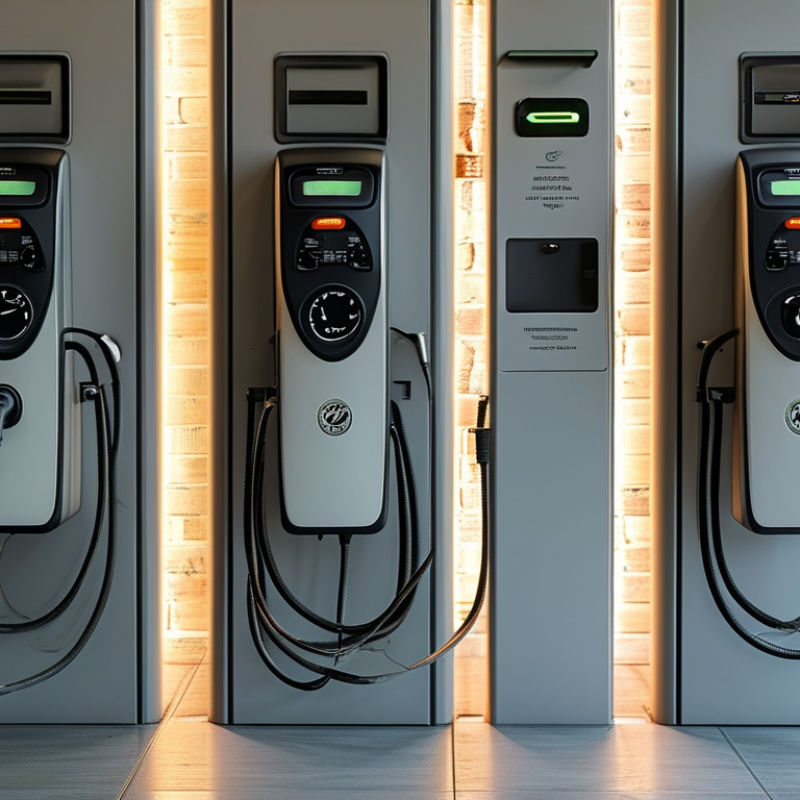
When considering a Type 2 Wallbox EV charging station, it's essential to understand the various options available. These stations vary significantly in terms of charging speeds, compatibility, and installation requirements. Some models may offer faster charging capabilities, while others focus on ease of use and efficiency. Assessing your vehicle's needs is critical. If you drive a long-range EV, a higher-powered wallbox might be necessary.
Another aspect to ponder is installation. Some charging stations are easier to install than others. A hardwired option may require more complex setup but could provide better performance. Less complicated plug-in models may offer flexibility in case of future upgrades. The electrical capacity of your home must also be considered.
Lastly, think about the features you truly need. Smart charging capabilities are popular but add complexity. Do you need access to monitoring apps? Or will a simple unit suffice? Reflecting on these questions can guide you toward making an informed decision.
| Charging Station Type | Power Output (kW) | Charging Time (Hours) | Connector Type | Smart Functionality |
|---|---|---|---|---|
| Standard Wallbox | 3.7 | 8-12 | Type 2 | No |
| Fast Wallbox | 7.4 | 4-6 | Type 2 | Optional |
| Super Fast Wallbox | 22 | 1-2 | Type 2 | Yes |
| Ultra Fast Wallbox | 50 | 0.5-1 | Type 2 | Yes |
When selecting a Type 2 Wallbox EV charging station, certain key features deserve attention. The charging speed is a primary consideration. According to industry reports, chargers can deliver between 3.7 kW to 22 kW. A higher kilowatt rating means faster charging, which can save you time. However, it’s essential to ensure your electrical supply can handle the load.
Another critical feature is the installation process. A professional installation is often necessary to meet safety standards. Inadequate installations can lead to performance issues or even safety hazards. Ensure that your chosen charger complies with all local regulations. Power requirements should align with both your vehicle's specifications and your electrical infrastructure.
Tips: Always check compatibility with your electric vehicle model. Some vehicles have limited charging capabilities. Also, consider smart features like remote access and scheduling, which can optimize energy use.
Looking into warranty and support is equally crucial. Research indicates that chargers can last a decade or more, but quality matters. Maintenance costs can arise, particularly for budget models. While affordability is important, sometimes a slightly higher investment can lead to long-term savings and reliability. Keep these factors in mind as you navigate the options.
When selecting a Type 2 wallbox EV charging station, power ratings and charging speeds are crucial. The efficiency of charging directly impacts the overall experience for electric vehicle owners. According to a 2022 report by the International Energy Agency, the average home charging unit typically supports power outputs of 3.7 kW to 22 kW. Homeowners should assess their vehicle's compatibility and typical usage before making a decision.
Charging speed is also a critical factor. A unit with higher kW ratings can charge an EV faster, which is an advantage for users with busy schedules. A charger rated at 22 kW can deliver over 10 miles of range per hour, which significantly reduces downtime for the vehicle. However, home wiring constraints can limit the maximum power output, creating a gap between potential and reality.
It’s essential to consider your home’s electrical capacity and installation costs. A high-capacity unit might not be practical or economically feasible for all homes. Users may need to invest in upgrades to their existing electrical systems. Balancing power output with the simplicity of installation can be challenging. Each household’s needs are unique, requiring careful evaluation of both charging performance and infrastructure readiness.
When selecting a Type 2 Wallbox EV charging station, understanding installation requirements and costs is crucial. According to a report by the International Energy Agency (IEA), the demand for home charging solutions is increasing, driven by the rise in electric vehicle (EV) adoption. Proper installation can vary significantly based on your home's electrical capacity and infrastructure.
An average installation might cost between $500 and $1,500, depending on local labor rates and the complexity of the wiring needed. For example, if your home requires an electrical upgrade, costs can escalate. A recent study indicated that about 40% of homes need electrical panel upgrades to accommodate a Wallbox. This highlights the importance of consulting a qualified electrician to assess your specific situation.
Moreover, while the convenience of a home charging station is appealing, it’s essential to reflect on the total lifetime costs. Charging stations can have varying energy efficiencies, impacting long-term electricity bills. A more efficient wallbox may cost more upfront but could save money in the long run. Assessing these factors diligently can lead to a more informed decision for your EV charging needs.
When selecting a Type 2 wallbox EV charging station, smart features play a crucial role. Many modern chargers offer app connectivity. This allows users to monitor charging status in real-time. Notifications can inform you when your vehicle is fully charged. This level of control enhances convenience, especially for busy lifestyles. Thin cables or portable designs can simplify installation and use.
Connectivity options are another vital aspect. Some chargers integrate with home automation systems. This means you can schedule charging during off-peak hours. Such features can save money on electricity bills. Voice activation is becoming increasingly common. Imagine asking your device for updates on charging without needing to check your phone. However, not all systems are foolproof, so reliability remains a concern.
Moreover, there is an ongoing debate about data security. Providing personal information to apps raises privacy issues. Users must weigh the convenience of smart features against potential risks. Not every charger’s features are user-friendly. Some may find certain apps cluttered or hard to navigate. Ultimately, it is essential to evaluate which features align best with your needs while ensuring they are safe and reliable.
: Think about charging speed, installation complexity, and power requirements. Your vehicle's needs are also essential.
Charging speeds range from 3.7 kW to 22 kW. Higher speeds save time but need sufficient electrical supply.
Yes, professional installation is often necessary. It ensures safety and compliance with local regulations.
Installation costs typically range from $500 to $1,500. This depends on home wiring and any needed upgrades.
Consult a qualified electrician. Many homes may need electrical panel upgrades to support a wallbox.
Smart features offer convenience but add complexity. Assess if you genuinely need features like remote access.
Maintenance varies, especially for budget models. Higher initial investments may lead to better long-term reliability.
Always check compatibility with your vehicle model. Some vehicles have limiting charging capabilities.
Yes, while initial costs may be higher, an efficient wallbox can save on long-term electricity bills.
When choosing the best Type2 Wallbox EV Charging Station, it's essential to understand the various types available and their unique features. Key considerations include power ratings and charging speeds, which can significantly impact your EV charging experience. Evaluating your needs will help in selecting the most suitable charger for your vehicle.
Additionally, assessing installation requirements and associated costs is crucial to ensure a smooth setup process. Many modern Type2 Wallbox EV Charging Stations come equipped with smart features and connectivity options, allowing for greater convenience and control over your charging schedule. By carefully weighing these factors, you can make an informed decision that meets your electric vehicle charging needs effectively.
