
Top Home EV Charger Stations of 2026 What to Look For?

Time:2026-06-27 Author:Oliver
0%

As electric vehicles (EVs) gain popularity, Home EV Charger Stations are becoming essential. In 2026, selecting the right charger will be crucial for homeowners. The market is evolving rapidly, offering diverse options. However, with this variety comes complexity.

When choosing a charger, consider factors like charging speed and compatibility. Not all chargers suit every EV model. Home EV Charger Stations should align with your vehicle's needs. Installation requirements can also vary. Some homeowners may face space or electrical constraints.

Understanding these elements can be overwhelming. It’s vital to research and gather information. Seek advice from experts in the field. Reliable reviews and ratings can guide your decision. Make sure to evaluate the long-term benefits of your choice. Investing in a Home EV Charger Station is a significant decision that requires careful thought.
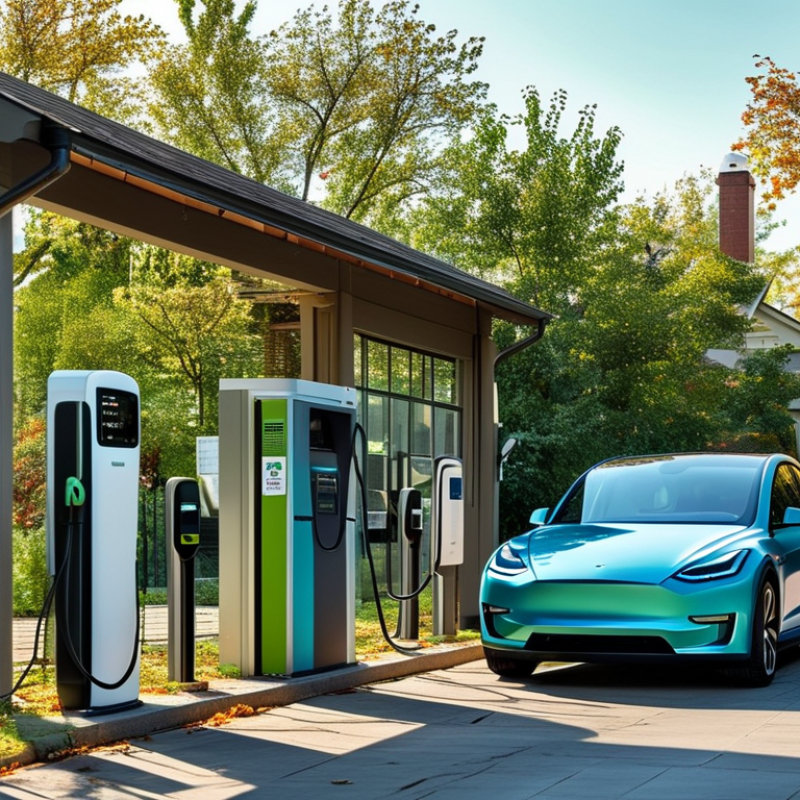
Top Home EV Charger Stations of 2026 What to Look For?

Key Features to Consider When Choosing Home EV Charger Stations

When choosing a home EV charger station, key features should be your primary focus. Charging speed is crucial. Look for stations that provide Level 2 charging. This type can significantly reduce charging time compared to standard outlets.

Connectivity options also matter. Many modern chargers offer Wi-Fi and app integration. This allows for remote monitoring and scheduling charging times. It’s a useful feature, especially for smart home setups. Additionally, consider the charger’s compatibility with your EV model. Not all chargers work with every vehicle. Checking this detail can save you frustration later.

Tips: Always verify if the installation is included. Some providers might have hidden costs. Check local incentives. Many regions offer rebates or credits for installing EV chargers.

Another aspect is safety features. Surge protection and weatherproof ratings can enhance the longevity of your charger. Think about where you will install it. Is it in a garage or outdoors? Flexible installation options can provide more comfort. Lastly, pay attention to warranty agreements. A longer warranty indicates a brand’s confidence in its product.

Types of Home EV Charger Stations: Level 1 vs. Level 2 vs. DC Fast Charging

When considering home EV charger stations, understanding the types available is crucial. The three main types are Level 1, Level 2, and DC Fast Charging. Level 1 chargers use a regular 120-volt outlet. They are the slowest option, taking up to 24 hours for full charge. This is suitable for those who drive short distances daily.

Level 2 chargers operate on a 240-volt circuit. They can charge an electric vehicle in about 4 to 8 hours. These chargers are ideal for most homeowners. They offer a balance of speed and efficiency. However, installation may require electrical upgrades.

DC Fast Charging provides rapid charging, often exceeding 100 miles of range in 30 minutes. It is typically installed at public charging stations rather than homes. This could be a consideration for long trips. Tips: Check your vehicle’s compatibility before upgrading. Be prepared for potential installation costs. Also, think about future needs as electric vehicles evolve.

Remember that your charging habits will dictate the best charger for you. Frequent long-distance travel? Consider a faster option. Mostly short commutes? A Level 1 charger might suffice. Be thoughtful in your choice to optimize your EV ownership experience.

Installation Requirements and Costs for Home EV Charger Stations

When considering home EV charger installation, understanding costs and requirements is essential. A recent industry report indicates that the average cost of a Level 2 home charger ranges from $500 to $2,500, not including installation. Installation costs can vary considerably, averaging between $300 to $1,200 depending on your home’s electrical setup. Also, if electrical upgrades are needed, costs can soar.

Most homes require a dedicated circuit for an EV charger, which means working with a licensed electrician is often best. Many regions enforce specific local codes for electrical installations. Compliance ensures safety and efficiency, but it may also require permits. Additionally, consider your home’s electric panel capacity. A standard household can typically support one or two EV chargers, but bottlenecks can happen. Always check your panel's amperage before proceeding.

Tips: Investigate utility incentives or rebates for EV charger installations in your area. Many utility companies offer discounts for home charging setups. Regularly evaluating your energy needs can also save money in the long run. Consider timing your EV charging during off-peak hours for lower electricity rates.

Smart Charging Capabilities and Connectivity in 2026 EV Chargers

As the electric vehicle (EV) market continues to grow, smart charging capabilities in home EV chargers are becoming more crucial. In 2026, these chargers will likely feature advanced connectivity options, enhancing user experience. Integration with home networks can allow for remote control and monitoring. This means you can charge your EV while away from home, optimizing your time and energy usage.

Consider the importance of app functionalities. Many chargers offer mobile apps that provide real-time data on charging status and energy consumption. These insights can help homeowners make informed decisions about their charging habits. Look for chargers that support voice commands and can integrate with smart home systems. This kind of connectivity can streamline your daily routine, making EV ownership more convenient.

Tips: When choosing a charger, assess the compatibility with your home Wi-Fi network. Not all models will perform well in areas with weak signals. Read reviews and testimonials to gauge user experiences. Additionally, be mindful of your EV's software updates. These updates can enhance charging efficiency and connectivity features over time. The reliability of your charging station hinges on these factors.

Safety Standards and Certifications for Home Electric Vehicle Chargers

When selecting a home EV charger in 2026, safety standards and certifications are crucial. The National Fire Protection Association (NFPA) highlights that chargers without proper certifications pose risks of fire hazards. Safety certifications from organizations like Underwriters Laboratories (UL) reduce these risks significantly. Chargers that meet UL 2202 or UL 2594 standards are more reliable and should be prioritized.

Consider that 35% of EV home charging incidents are linked to non-compliant devices. Not all chargers are created equal. The Institute of Electrical and Electronics Engineers (IEEE) recommends chargers bearing the latest safety certifications. Chargers with competitive ratings have proven to deliver superior performance. Reliable chargers should have features such as overcurrent protection and short-circuit prevention.

Moreover, pay attention to warranty and service terms. Industry data suggests that chargers with a minimum two-year warranty show better longevity. A long warranty often indicates a manufacturer’s confidence in safety. Look for user reviews highlighting safety issues. These insights can provide a clearer picture of a product's reliability. A charger’s safety record is as vital as its charging speed.

FAQS

: What are the main types of home EV chargers?

: The main types are Level 1, Level 2, and DC Fast Charging. Each offers different charging speeds and installation needs.

How long does it take to fully charge an EV with a Level 1 charger?

A Level 1 charger can take up to 24 hours for a full charge. This is best for short-distance daily driving.

How much does a Level 2 home EV charger cost?

The average cost of a Level 2 charger ranges from $500 to $2,500, excluding installation costs. Prices can vary widely.

What are the installation requirements for a home EV charger?

Most homes need a dedicated circuit for EV chargers. A licensed electrician can help ensure compliance with local codes and safety.

Are safety certifications important for EV chargers?

Yes, chargers with safety certifications reduce fire hazards and ensure reliability. Look for those meeting UL standards for better safety.

How can I optimize my EV charging costs?

Consider timing your charging during off-peak hours for lower electricity rates. This can save you money over time.

What should I look for in charger warranties?

A long warranty, at least two years, often indicates better durability and manufacturer confidence in the product.

What factors should influence my choice of EV charger?

Your charging habits, travel distance, and home electrical capacity will all influence which charger is best for you.

Can I receive incentives for installing an EV charger?

Many utility companies offer incentives or rebates. Investigating these can lower overall installation costs significantly.

How do I ensure my charger is compliant with safety standards?

Choose chargers with the latest safety certifications from recognized organizations. User reviews also provide insight into reliability.

Conclusion

As electric vehicles continue to gain popularity, choosing the right Home EV Charger Stations becomes essential for seamless convenience and efficiency. Key features to consider include charging speed, compatibility with various electric vehicle models, and the suitability for different home environments. Understanding the distinctions between Level 1, Level 2, and DC Fast Charging options can help users select the ideal system based on their specific needs and usage patterns.

Installation requirements and associated costs are critical factors, as they vary significantly depending on the chosen charger type and home infrastructure. Additionally, smart charging capabilities and connectivity options are increasingly important in 2026, allowing users to monitor and optimize their charging sessions remotely. Lastly, ensuring that the Home EV Charger Stations meet relevant safety standards and certifications is paramount for safe operation and long-term reliability. By considering these aspects, homeowners can make informed choices that enhance their electric vehicle experience.

Oliver

Oliver

Oliver is a seasoned marketing professional with a wealth of expertise in driving brand awareness and engagement. With a deep understanding of our company's product offerings, he consistently delivers high-quality content that enriches our professional blog. His insights not only shed light on......