
How to Choose the Best Ev Portable Charger for Your Needs?

Time:2026-08-19 Author:Amelia
0%

Choosing the right EV Portable Charger can significantly impact your electric vehicle experience. With numerous options available, understanding your unique requirements is crucial. An unsuitable charger can lead to frustration and inconvenience during your travels.

When selecting an EV Portable Charger, consider factors like charging speed, compatibility, and portability. Some chargers offer fast charging but may not fit all vehicle models. Conversely, lightweight models prioritize portability but might not charge as effectively. This balance is essential for effective planning.

Investing time to research various chargers is valuable. Each model has strengths and drawbacks. Reading user reviews can provide insights into real-world performance. By reflecting on your specific charging needs, you can make a more informed decision, ensuring your EV journey remains smooth and enjoyable.
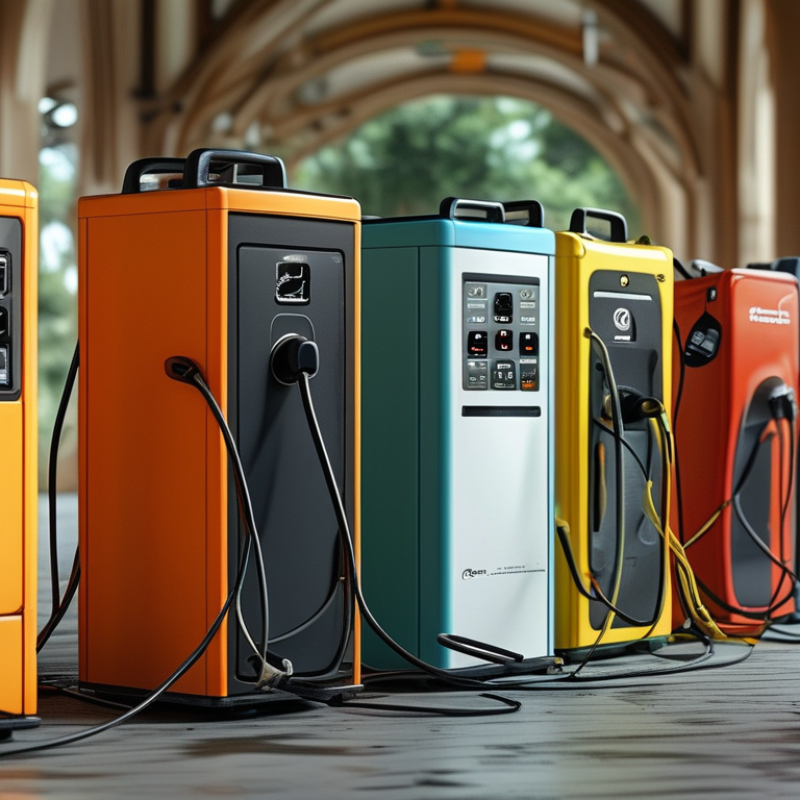
How to Choose the Best Ev Portable Charger for Your Needs?

Understanding EV Portable Chargers: Features and Functionality

When selecting an EV portable charger, understanding the features and functionality is essential. A portable charger should provide flexibility, allowing you to charge anywhere. Different models offer varying power outputs, typically measured in kilowatts. Consider your vehicle's requirements; some cars may need higher outputs to charge efficiently.


Additionally, connectors play a vital role in compatibility. Look for chargers that support multiple types, such as Type 1 and Type 2. This ensures that you can use the charger with different EV models without hassle. Some chargers come with smartphone apps, providing real-time monitoring of the charging process, which can enhance usability.


There’s no one-size-fits-all solution. Not all chargers will meet your specific needs. Take time to evaluate what aspects are most critical for you. Does portability matter more than charging speed? Are you prioritizing cost or durability? Reflecting on these questions can lead you to a more suitable choice. Each option has its trade-offs, and being informed is key to making a wise decision.

Types of EV Portable Chargers: Level 1 vs. Level 2 Options

When choosing a portable charger for electric vehicles (EVs), understanding the types is crucial. There are mainly two types: Level 1 and Level 2 chargers. Level 1 chargers use standard 120-volt outlets. They are usually slower and can take up to 24 hours to fully charge an EV. This might suit occasional users who do not need quick charging.

Level 2 chargers, however, operate at 240 volts. They are significantly faster, often charging an EV within 4 to 8 hours. According to the U.S. Department of Energy, Level 2 chargers can deliver 10 to 60 miles of range per hour. This makes them ideal for daily drivers. However, they can require more installation effort and costs, which some may overlook.

When evaluating your needs, consider your driving habits. If you often make long trips, investing in a Level 2 charger could save time. On the other hand, if you only use your EV for short commutes, a Level 1 charger might suffice. Reflecting on your charging routines is essential. Data shows that many EV owners charge at home most of the time. However, knowing when you'll need faster charging is important. There is no one-size-fits-all solution here.

Key Specifications to Consider: Power Output and Charging Speed

When selecting an EV portable charger, power output and charging speed are crucial specifications to evaluate. It's essential to match the charger's power output with your vehicle's requirements. A charger providing too little power will lead to slower charging times, while excessive output may not be compatible with some EV models.

Charging speed is just as vital. Some chargers can deliver a full charge in a few hours, while others take significantly longer. Look for chargers that utilize fast-charging technology. This can save you time during trips or daily use. However, it's important to note that faster charging may affect battery longevity over time.

Additionally, consider the portability of the charger. It should be lightweight and easy to store. Balancing power output, charging speed, and portability can be difficult. Not all chargers are the same. Remember to read user reviews to find out how they perform in real-life situations. This can help inform your decision more effectively.

Battery Capacity Explained: Matching Your EV's Needs with Charger Specs

When selecting an EV portable charger, understanding battery capacity is crucial. Battery capacity is typically measured in kilowatt-hours (kWh). For instance, many electric vehicles require at least 30-50 kWh for a full charge. Therefore, a charger with a matching output can significantly impact charging efficiency.

Reports indicate that many EV owners prefer chargers with higher wattage. Chargers rated at 7.2 kW can charge compatible vehicles from empty to full in about 8 to 10 hours. For faster needs, a 22 kW charger reduces this time dramatically. However, it’s essential to ensure your home’s electrical system can handle the higher power output without risking safety.

However, not all EVs can accept higher-charge rates. For instance, some models max out at 6.6 kW. Hence, using a more powerful charger won't enhance charging speed in such cases. Another consideration is portability. A lightweight charger may not deliver the same power as a stationary model. Balancing capacity, portability, and your vehicle's specifications can feel overwhelming but is necessary for optimizing your EV charging experience.

Industry Trends: Future of EV Charging Solutions and Innovations

The future of EV charging solutions is rapidly evolving. With advancements in battery technology, charging speeds are increasing significantly. Industry experts predict that ultra-fast chargers could soon reduce charging times to mere minutes. This will enhance the convenience of owning an electric vehicle.

Innovations like wireless charging are also emerging. This technology could eliminate the need for cables, making charging seamless. However, challenges remain. Standardization is still a significant hurdle in the widespread adoption of these new solutions. Different manufacturers often have incompatible designs.

Moreover, charging infrastructure continues to expand. Cities are investing in more charging stations, yet many rural areas still lack access. This inconsistency creates barriers for potential EV users, making it essential for stakeholders to address these gaps. Overall, while the future looks bright for EV charging solutions, several areas require ongoing attention and improvement.

FAQS

: What should I consider when selecting a portable EV charger?

: Evaluate the features and functionality. Flexibility and compatibility are essential for your charging needs.

What are the main types of portable EV chargers?

There are Level 1 and Level 2 chargers, differing mainly in charging speed and voltage.

How long does it take to charge an EV with a Level 1 charger?

Level 1 chargers can take up to 24 hours for a full charge, ideal for occasional use.

What is the charging speed for Level 2 chargers?

Level 2 chargers usually charge an EV within 4 to 8 hours, delivering 10 to 60 miles per hour.

Are there any emerging trends in EV charging solutions?

Yes, advancements are seen in charging speeds and innovations like wireless charging, but challenges remain.

Why is compatibility important when choosing a charger?

Different EV models use various connectors. A compatible charger ensures usability without hassle.

How can I determine which charger suits my needs?

Reflect on your driving habits. Consider if portability, speed, or cost is your priority for a charger.

What are the current limitations in EV charging infrastructure?

Rural areas often lack charging stations, creating barriers for potential EV users. Improvements are needed.

What potential innovations could change EV charging?

Ultra-fast chargers and wireless technology are in development but face issues with standardization.

Can all EV chargers meet my specific needs?

No, each option comes with trade-offs. Assessing your needs is crucial for making an informed choice.

Conclusion

When choosing the best EV Portable Charger for your needs, it's essential to understand the various features and functionalities available. EV portable chargers come in different types, with Level 1 and Level 2 options catering to various charging requirements. Key specifications, such as power output and charging speed, should be considered to ensure compatibility with your electric vehicle. Additionally, understanding battery capacity is crucial for matching your EV's needs with the right charger setup.

As the industry evolves, it's important to stay informed about trends and innovations in EV charging solutions. The future promises advancements that will enhance the efficiency and convenience of EV portable chargers, making it even easier for users to charge their vehicles on the go. By assessing your personal needs and keeping up with these developments, you can find the ideal EV portable charger that meets your expectations and supports your electric vehicle lifestyle.

Amelia

Amelia

Amelia is a seasoned marketing professional with a wealth of expertise in our company’s core offerings. With an unwavering passion for driving growth and innovation, she plays a pivotal role in shaping our marketing strategies and enhancing brand visibility. A key aspect of her responsibilities......