
Choosing the right electric car EV charging station is crucial for EV owners. It directly impacts the convenience and efficiency of charging your vehicle. With numerous options available, selecting the best station can feel overwhelming. You want reliability and performance to match your driving habits.
Consider the charging speed. Different stations provide varied levels of power. Some only offer slow charging, while others can power up your vehicle within an hour. Understand your needs. If you drive long distances, a fast charger is essential. On the other hand, if your daily trips are short, a slower option might be sufficient.
Location plays a vital role too. Are charging stations conveniently located near your home or workplace? Accessibility matters for those daily top-ups. Also, evaluate payment methods and pricing structures. Transparent pricing ensures you avoid surprises. Take your time to research and reflect on what works best for your electric car EV charging station needs. Make an informed choice to maximize your EV experience.
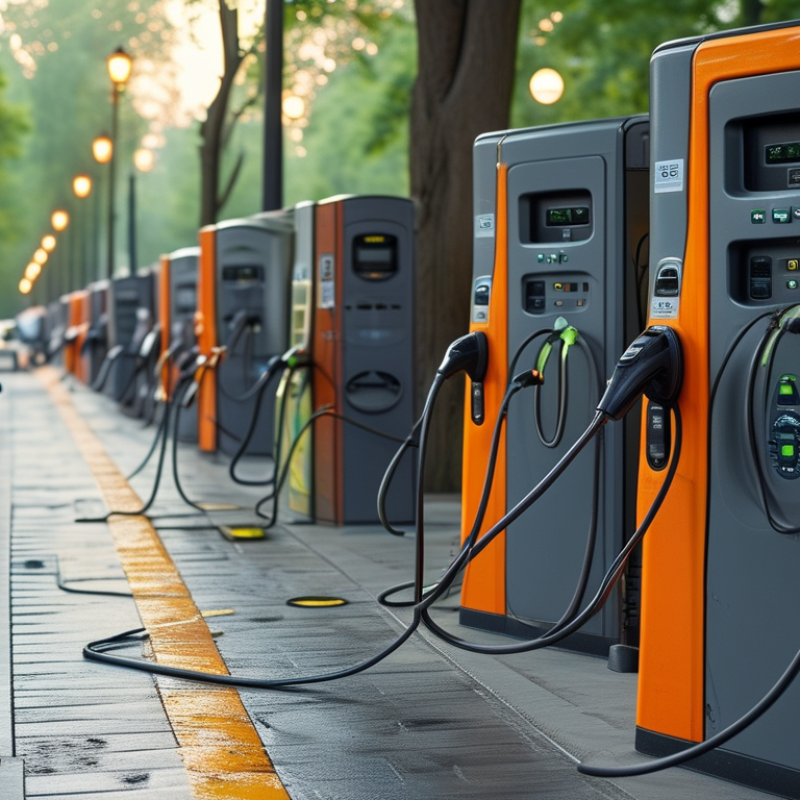
Choosing the right electric car charging station begins with knowing the types available. There are primarily three types: Level 1, Level 2, and DC fast chargers. Level 1 chargers work with standard household outlets. They are easy to use but are slow, typically adding about 3 to 5 miles of range per hour. This option might suit those who charge overnight at home.
Level 2 chargers are a step up. They require a 240-volt outlet and are common in public charging stations. These can add about 10 to 60 miles of range per hour. They fit daily charging needs for many electric vehicle (EV) owners. On the other hand, DC fast chargers offer rapid charging capabilities. They can provide an 80% charge in about 30 minutes. However, they are not as widely available. Location and availability remain concerns.
Consider your lifestyle when selecting a station. Charging at home with Level 1 or Level 2 might work for daily commuting. For long trips, look for fast charging stations along the route. It's also wise to check the station's compatibility with your EV model. Reliability and accessibility are essential, yet you may find location gaps. Charging networks may not cover all areas. Therefore, plan accordingly.
When selecting an electric vehicle (EV) charging station, several factors come into play. It's essential to consider the charging speed. Level 1 chargers are slower, perfect for home use. Level 2 chargers are faster and suitable for public locations. Level 3, or DC fast chargers, offer rapid charging but may not be as widely available.
Another critical aspect is the location of the charging station. Ideally, find a station near frequently visited areas. Accessibility is also vital. Check for ease of parking and whether charging stations have working facilities. Some locations may have outdated equipment that requires maintenance.
Tips: Always verify the compatibility of your EV with the charging station. Research local charging networks to find out about user experiences. Look for reviews to gauge reliability and performance. Trustworthy sources often highlight the importance of real-time availability features. A lack of transparency can lead to frustration, especially during emergencies.
Finally, staying updated on charging fees can save you money. Prices vary by location and charging speed. Some stations offer free charging, while others may impose hefty fees. Keep your priorities clear and consider your charging habits when making a decision.
When selecting an electric vehicle (EV) charging station, speed plays a crucial role. The charging speed can vary significantly among different stations. Level 1, Level 2, and DC fast charging are common types of charging stations. Level 1 is the slowest, typically providing around 4-5 miles of range per hour. It suits overnight charging at home but is impractical for quick stops.
Level 2 chargers offer a better solution, providing up to 25 miles of range per hour. These chargers are commonly found in public areas, such as shopping centers and workplaces. However, keep in mind that factors like the station's power output and vehicle compatibility influence the actual charging speed.
DC fast charging represents the fastest option, delivering 60-100 miles of range in just 20 minutes. This is ideal for long road trips. However, the availability of DC fast charging stations may be limited in some regions. Users should evaluate their routes and charging needs carefully. Accessibility and convenience could sometimes outweigh speed, so it’s essential to balance these factors for a smooth driving experience.
| Charging Station Type | Power Output (kW) | Charging Speed (miles/hour) | Average Charge Time (60 kWh Battery) | Location Type |
|---|---|---|---|---|
| Level 1 | 1.4 - 2.4 | 3-5 | 8-12 hours | Home |
| Level 2 | 3.7 - 22 | 10-60 | 4-8 hours | Public/Workplace |
| DC Fast Charging | 50 - 350 | 100-400 | 30 min - 1 hour | Highway/Travel |
Choosing the right EV charging station requires careful consideration of compatibility with your electric vehicle (EV) model. Each EV comes with different charging requirements and connector types. It’s crucial to know which type of charging plug your car uses. Most EVs in the market follow standards like J1772 or CCS. Ensure the station you choose supports your vehicle's specifications.
When assessing stations, think about the charging speed you need. Some chargers may only offer Level 1 charging, which is slower and may take a longer time to fully charge your vehicle. If you own a model that accepts both Level 2 and DC fast charging, choosing a station that provides faster options can significantly reduce downtime, especially on long trips.
Tips: Always refer to your vehicle's manual for specific charging specs. Consider using apps that show charging station compatibility. Pay attention to user reviews about reliability. Frequent users often share their experiences with different stations, helping you avoid unreliable options.
When considering EV charging station installation at home, location is key. Garage or driveway access should influence your choice. Check local building regulations. Space requirements for the equipment and cables must be considered. Assess the proximity to your home’s electrical panel.
Tips: Evaluate if you have enough electrical capacity. If your panel is outdated, upgrading might be necessary. It’s wise to consult a qualified electrician to discuss your setup options. They can ensure you meet safety standards.
Charging speed varies. Level 1 chargers use standard outlets; they are slow but easy to install. Level 2 chargers require a 240-volt outlet, offering faster charging times. Understand your daily travel needs. If you have a longer commute, a Level 2 may be a better investment.
Tips: Think about your budget as well. Installation costs can differ significantly. Research local incentives for EV charging stations. These can sometimes reduce your financial burden. Reflect on whether your choice matches your lifestyle and charging habits.
: The three main types are Level 1, Level 2, and DC fast charging.
Level 1 chargers provide about 4-5 miles of range per hour.
Level 2 chargers are often located in shopping centers and workplaces.
DC fast chargers can deliver 60-100 miles of range in just about 20 minutes.
Check your vehicle's manual for the charging plug type, and choose stations that support it.
Accessibility is important. Sometimes, a convenient station is better than the fastest option.
Evaluate your electrical capacity and check local building regulations.
Access to your garage or driveway must be considered when choosing a charging station.
Users often share experiences about speed and reliability, which can guide your choice.
Yes, some local programs can help reduce installation costs.
When selecting the best Electric Car EV Charging Station, it's essential to understand the various types of charging stations available, which include Level 1, Level 2, and DC fast chargers. Each type comes with its own charging speeds and compatibility concerns, so evaluating these aspects is crucial to ensure a seamless charging experience.
Factors such as the charging speed, your specific electric vehicle model's compatibility, and the feasibility of installation options at home should guide your decision-making process. By considering these elements, you can optimize both the convenience and efficiency of your Electric Car EV Charging Station, ensuring that it meets your personal driving needs.
