
Choosing the right DC EV Charging Station 20 Kw CCS1 is crucial for electric vehicle (EV) owners. As the EV market expands, data from the International Energy Agency (IEA) indicates a surge in global EV sales, surpassing 10 million in 2022 alone. This growth highlights the need for accessible and efficient charging solutions. The CCS1 standard is gaining traction due to its capability to serve a variety of EV models.
Selecting the appropriate charging station involves understanding both technical specifications and user needs. According to recent reports, fast charging stations can increase user confidence in EV technology. However, many consumers remain unsure about charging options. Data suggests that around 53% of potential EV owners cite charging infrastructure as a barrier to adoption.
Considering details such as installation location, charging speed, and compatibility is essential. The DC EV Charging Station 20 Kw CCS1 typically provides quicker charging times compared to Level 2 chargers. However, this rapid charging capability comes with its own set of challenges, including costs and site readiness. Making an informed decision will require balancing these factors against future needs and environmental considerations.
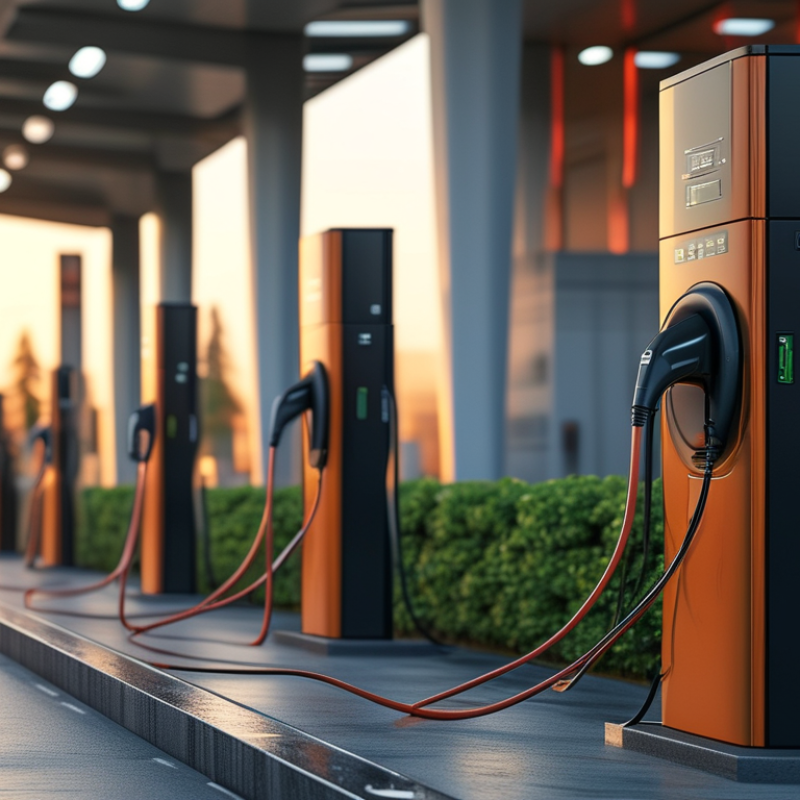
When selecting a DC EV charging station, understanding the basics is crucial. DC charging stations convert electricity directly for faster charging. This is essential for electric vehicles (EVs) that need a quick top-up. A 20 kW CCS1 station is commonly used for several EV models. Users should consider the location of the station, as accessibility impacts usage.
Charging speed is another vital aspect. A 20 kW charger can significantly reduce waiting time compared to standard chargers. However, the efficiency of the charging process can vary based on vehicle design and battery capacity. Charging time may not always align with the driver’s schedule, causing potential frustration. Regular assessments of charging needs can lead to better choices.
Safety features are essential as well. Reliable stations incorporate various protections against electrical issues. Users should also review the durability and maintenance of the equipment. Time and experience can reveal that not all charging stations perform equally. This process encourages ongoing learning about charging technology and infrastructure development. Knowledge not only enhances user experience, but it also fosters smarter decisions in the long term.
When selecting a 20 kW CCS1 charging station, key specifications play a vital role. Consider the output power, as it influences charging speed. A station that delivers 20 kW can significantly reduce the time required for full electric vehicle (EV) charging. Ensure compatibility with various EV models. This is essential to avoid limitations in usage. Look for features like automatic load balancing to manage energy distribution efficiently.
Connector types are another important aspect. CCS1 is widely adopted in North America, but check if the station supports your vehicle's requirements. Charging efficiency is crucial, too; higher efficiency means less wasted energy. Some may overlook thermal management systems. These systems can help maintain optimal operating temperatures, enhancing performance and durability.
Reliability is imperative. Choose a station from a manufacturer with a solid reputation. Research user experiences to understand the long-term reliability of the charging station. While many stations are designed for easy installation, they can still pose challenges in specific locations. It is wise to assess the installation site and consider distance from the grid connection. Always think through these parameters before making a decision.
Choosing the right DC EV charging station hinges on understanding your electric vehicle's compatibility, especially with CCS1 connectors. The CCS1 standard is pivotal for many electric vehicles, ensuring efficient fast charging. Compatibility can vary between models, so it's essential to dive into your vehicle's specifications.
Every vehicle has a unique charging rating. Some may handle 20 kW, while others may struggle or require more robust options. It is vital to read user manuals or consult with manufacturers. A mismatch might result in slower charging or inefficiencies. Not all CCS1 stations deliver the same performance, and some may not work with all vehicles from the same manufacturer.
Identifying compatibility doesn't stop at checking the type of connector. Different EVs have varying thermal limits and battery types. A station that works for one car might be unsuitable for another. Consider neighboring stations too. Are there nearby options if you face issues? Exploring user reviews and experiences provides additional insights that specifications often overlook.
When planning to install a DC EV charging station, assessing the installation requirements is crucial. You need to consider the power supply capacity of your location. Check the available electrical infrastructure, such as amperage and voltage levels. It's common to find older buildings lacking proper capacity, so upgrading may be necessary. This can lead to unexpected costs and delays.
Site layout also affects installation. Ensure there’s adequate space for the charging unit. It's vital to maintain safety protocols. An accessible location encourages users to charge their vehicles easily. Monitor local regulations. Compliance with zoning and building codes is essential for a smooth installation process. A professional installation team will guide you through these complexities.
Another essential factor is the environmental impact. Charging stations should not interfere with natural habitats or community resources. Educate yourself on sustainable practices during installation since every choice shapes your community's energy future. Reflecting on these requirements can help avoid oversights and foster a successful charging station setup. Understanding these details strengthens your decision-making process.
| Parameter | Description | Recommended Value |
|---|---|---|
| Charging Power | Amount of power the station can deliver to the EV | 20 kW |
| Connector Type | The type of connector compatible with EVs | CCS1 |
| Input Voltage | Voltage specifications for optimal operation | 480V |
| Installation Location | Where the charging station will be installed | Commercial or Public Spaces |
| Network Connectivity | Type of network connection for monitoring and payments | Wired (Ethernet) / Wireless (Wi-Fi) |
| Safety Features | Safety mechanisms to protect users and equipment | Overcurrent protection, Surge protection |
| User Interface | How users interact with the charging station | Touchscreen with payment options |
When selecting a 20 kW CCS1 DC EV charging station, it's essential to consider cost and efficiency. Several industry reports indicate that installation and operational costs can vary widely among brands. For instance, the average installation cost ranges from $2,000 to $6,000, while some brands offer advanced features that can raise these costs up to $10,000 or more. Efficiency is measured in the charge time and energy losses during the charging process. Some stations can achieve up to 95% efficiency, while others may fall below 85%.
Tips for choosing the right charging station include evaluating the total cost of ownership. This involves considering initial investment, maintenance, and energy costs over time. Some charging stations may have lower upfront prices but higher operational costs. Additionally, look for stations with rapid charging capabilities and features that enhance user experience, like mobile app connectivity.
Another key consideration is warranty and support services. Different brands offer various warranty periods, which can significantly affect your investment lifespan. Research indicates that stations with longer warranty periods often perform better and offer more reliable service. Reflecting on the trade-offs between cost and features may lead to better-informed decisions.
: A DC EV charging station converts electricity directly for faster charging of electric vehicles.
Charging speed reduces waiting time significantly compared to standard chargers, improving the user experience.
Charging efficiency varies based on vehicle design and battery capacity, impacting overall charging time.
Reliable stations should have protections against electrical issues to ensure user safety during charging.
The site's characteristics and distance from the grid can affect the operational efficiency of charging stations.
Consider the total cost of ownership, including installation, maintenance, and energy costs over time.
Thermal management systems maintain optimal temperatures, improving durability and performance of the charging station.
CCS1 is widely adopted in North America, but check compatibility with your vehicle.
Research user experiences and choose stations from manufacturers with solid reputations.
Stations with longer warranties often perform better, so consider this when making a decision.
Selecting the right DC EV charging station, particularly the 20 Kw CCS1 model, involves a comprehensive understanding of various factors. It’s essential to grasp the basics of DC EV charging stations to appreciate their functionalities and benefits. Key specifications, such as charging speed and compatibility, play a vital role in determining which station best suits your electric vehicle. Furthermore, verifying your vehicle's compatibility with the CCS1 standard will ensure efficient charging.
Additionally, evaluating the installation requirements is crucial for a successful setup, as it involves considering your location and electrical infrastructure. Lastly, comparing costs and efficiency across different DC EV charging station brands can lead to more informed decision-making, helping you choose a 20 Kw CCS1 charging station that meets your needs effectively.
