
How to Choose the Best Ev Charger 22 Kw for Your Needs?

Time:2026-06-18 Author:Liam
0%

In today's fast-growing electric vehicle (EV) market, selecting the right EV Charger 22 Kw can significantly enhance user experience. A recent report by the International Council on Clean Transportation highlights that the demand for efficient EV chargers is rapidly increasing. This trend presents both an opportunity and a challenge for consumers. Experts like Dr. Emily Chen, a leading authority in EV infrastructure, emphasize that "the right charger not only meets your needs but also enhances your EV's performance."

Choosing an EV Charger 22 Kw involves several critical factors including charging speed, compatibility, and cost. The charger should align with your vehicle's requirements and your daily driving patterns. According to research from the Electric Power Research Institute, a 22 Kw charger can reduce charging time by up to 50% compared to lower-capacity options. However, many users still find themselves overwhelmed by the variety of models available.

It's important to consider both immediate needs and future scalability. As technology evolves, your charging solution should accommodate not just your current car but potential future models as well. Reflecting on these various aspects ensures that your choice is informed and beneficial in the long run.
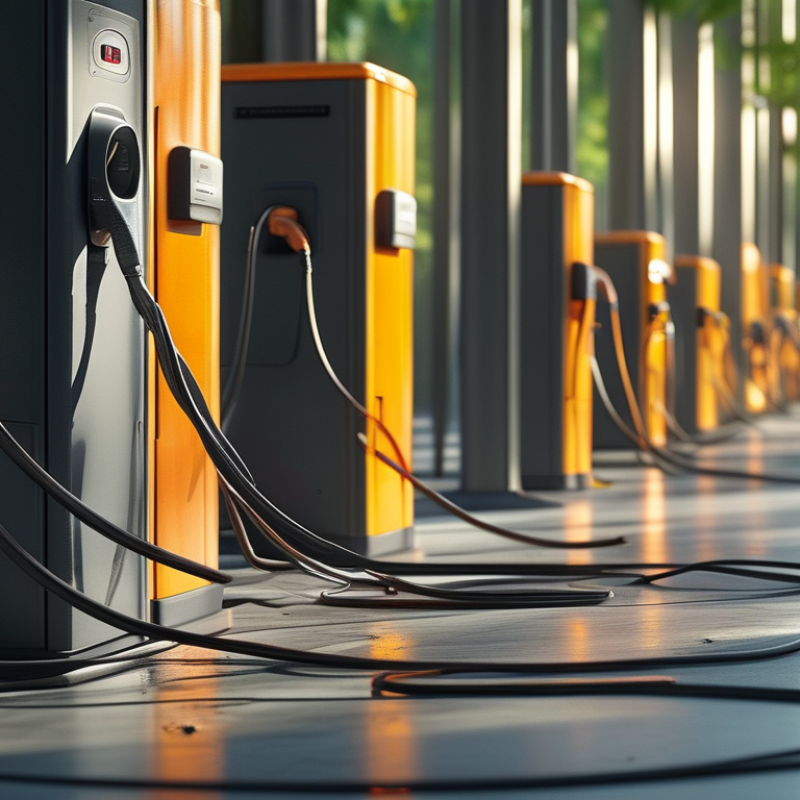
How to Choose the Best Ev Charger 22 Kw for Your Needs?

Understanding EV Charger Types and Technologies

Choosing the right EV charger involves understanding the types available. There are Level 1, Level 2, and DC fast chargers. Level 1 is basic, using a regular household outlet. It's slow but sufficient for overnight charging. Level 2 chargers offer faster options, providing up to 22 kW, suitable for home and public charging stations. DC fast chargers are ideal for quick recharges, typically found in commercial settings.

According to the U.S. Department of Energy, Level 2 chargers are the most common type installed today. They can provide a full charge in a few hours, making them popular for residential use. Data shows that about 80% of EV owners charge at home. Understanding your charging needs is crucial. Consider your driving habits and the distance you usually travel.

Tip: Assess your daily mileage. If you drive under 30 miles daily, Level 2 charging might be more than enough.

Tip: Research local incentives for installing chargers. Some areas offer rebates that can significantly lower installation costs.

With technology evolving, being informed helps in making better choices. Picking a charger isn't just about the kW rating. Think about installation space and future-proofing for newer vehicle models. Reflect on this when planning your purchase.

Key Features to Look for in a 22 kW EV Charger

When choosing a 22 kW EV charger, key features can make a significant difference. Opt for chargers that support multiple vehicle types. Flexibility is essential as the EV market expands. According to recent reports, compatibility with different brands affects user satisfaction. Many EV owners value versatility in their charging solutions.

Consider the installation process, as it directly impacts your experience. Some chargers require complex setups, while others are user-friendly. A report from the Electric Vehicle Infrastructure Council indicates that ease of installation can save you time and money. Additionally, evaluate the design and size of the charger. A compact, wall-mounted option can conserve space without compromising functionality.

Smart features are becoming increasingly important. Look for chargers that offer scheduling capabilities, which can lead to cost savings. Data shows that smarter chargers can reduce energy costs by up to 30%. Compatibility with mobile apps and smart home systems also enhances convenience. However, it’s essential to reflect on how these features can align with your specific daily needs. Choosing the right charger is not just about power; it is about a seamless integration into your lifestyle.

Assessing Your Charging Needs and Requirements

When choosing an EV charger, understanding your charging needs is pivotal. Analyze your daily driving habits. How many miles do you cover regularly? Consider your car's battery size and charging capacity. Larger batteries often require more power and longer charging times. Think about peak usage hours. Will your vehicle need a charge overnight or during the day?

Another essential factor is your home's electrical system. Assess the amperage available in your garage. It determines how fast your charger can work. If you live in an apartment or condominium, check common area regulations. This could affect installation options. Additionally, think about the potential for future needs. Will you buy a second EV later? Being prepared may save you from needing to upgrade soon.

Lastly, consider ease of use. Some chargers offer user-friendly interfaces, while others may be complicated. Do you want features like app connectivity or smart capabilities? Reflect on these details to find the right balance between tech and practicality.

Installation Considerations for 22 kW EV Chargers

When considering the installation of a 22 kW EV charger, several factors demand attention. First, power supply capacity is critical. A standard residential connection might not support such high output. Therefore, evaluating your existing electrical infrastructure is essential. Reports indicate that nearly 30% of homes require upgrades to accommodate these chargers. Understanding your current wiring and capacity can prevent costly modifications later.

Next, location matters significantly. Proximity to the power source can reduce installation costs. Ideally, the charger should be installed near your garage or parking area. The National Renewable Energy Laboratory highlights that installation costs can increase by 20% for chargers placed farther from the electrical panel. Ensuring accessibility is also key. The charger should be easily reachable for plug-in convenience.

Safety and compliance with local regulations cannot be overlooked. Installation must adhere to electrical codes. Some regions may require permits for such installations. Research indicates that improper installations resulted in 15% of electrical fires in residential areas. Regular inspections and adherence to safety standards are vital, ensuring a reliable and safe charging experience. Making informed decisions can lead to effective installations, but it remains crucial to reflect on your choices.

How to Choose the Best Ev Charger 22 Kw for Your Needs? - Installation Considerations for 22 kW EV Chargers

Feature Description Importance Cost Range ($)
Charging Speed Time taken to fully charge the vehicle High 1500 - 3500
Connector Type Type of plug compatible with your vehicle Medium 50 - 150
Smart Features Wi-Fi connectivity, app controls, scheduling High 200 - 800
Installation Type Wall-mounted vs. standalone units High 500 - 1500
Safety Features Overvoltage, overcurrent, and thermal protection High 300 - 600
Warranty Length of coverage for parts and labor Medium 0 - 200

Cost and Maintenance Factors for EV Charger Selection

When selecting an EV charger, cost and maintenance play crucial roles. A quality 22 kW charger typically ranges from $1,000 to $3,000. Installation costs can add an extra $500 to $2,000, depending on your electrical system's condition. These initial investments must be considered. They can impact your overall savings with electric vehicles over time.

Maintenance costs are often overlooked. Some reports indicate that regular maintenance can cost around $100 annually. Items like wiring checks and software updates are essential for efficient operation. Neglecting these can lead to costly repairs. Investing in a long-term warranty might also be beneficial. However, not every warranty covers all potential issues.

Be mindful of electrical upgrades. In older homes, you may need to upgrade your electrical system to support a 22 kW charger. This can significantly increase your overall cost. Data reveals that around 30% of homes require such upgrades, which can be an unexpected financial burden. As you make your choice, consider these factors to avoid pitfalls.

FAQS

: What are the types of EV chargers?

: There are Level 1, Level 2, and DC fast chargers. Each serves different charging needs and speeds.

How long does it take to charge with Level 1?

Level 1 uses a household outlet. It's slow and mainly for overnight charging.

Why are Level 2 chargers popular?

They can fully charge in a few hours. About 80% of EV owners use them at home.

What should I consider before installing an EV charger?

Assess daily mileage, battery size, charging capacity, and electrical system in your garage.

Is it important to plan for future needs?

Yes, if you might buy another EV, prepare for additional charging capacity now.

What features should I look for in a charger?

Consider ease of use, app connectivity, and smart capabilities based on your preferences.

Conclusion

When selecting the best EV Charger 22 kW for your needs, it's essential to understand the various types and technologies available. Different chargers offer distinct features, so focus on key elements such as charging speed, compatibility with your vehicle, and user-friendly interfaces. Assessing your specific charging requirements will help you determine the number of charges needed and their frequency, as this influences your overall choice.

Installation is another critical factor; you must ensure that your charging setup is efficient and safe, based on the layout of your property and local electrical regulations. Additionally, consider the costs associated with purchasing and maintaining the EV Charger 22 kW, as well as potential savings in the long run through reduced energy expenses. By weighing these considerations, you can make an informed decision that meets your electric vehicle charging needs effectively.

Liam

Liam

Liam is a dedicated marketing professional with a profound expertise in the industry, where he excels at highlighting the unique advantages of our core products. With a keen understanding of market trends and consumer needs, Liam frequently updates our company’s professional blog, providing......