With the rise of electric vehicles (EVs), efficient charging solutions are more crucial than ever. The global EV market is projected to grow at a CAGR of over 22% through 2027. Amid this growth, the demand for portable charging options is also increasing. A 20kw Portable EV Charger stands out as a versatile solution that meets diverse charging needs.
This charger offers a blend of convenience and power. Users can charge their vehicles anywhere with a 20kw output, significantly reducing charging time. According to a recent industry report, high-power chargers can replenish EV batteries in less than an hour, highlighting their effectiveness. However, the market also faces challenges, such as varying standards and infrastructure limitations.
While the technology behind portable chargers is advancing, not all products deliver the promised performance. Consumers should seek reliable brands that adhere to safety standards. Investing in a quality 20kw Portable EV Charger can enhance travel flexibility but requires careful consideration of compatibility, efficiency, and durability. The landscape is evolving, and choosing wisely today can mitigate potential frustration tomorrow.
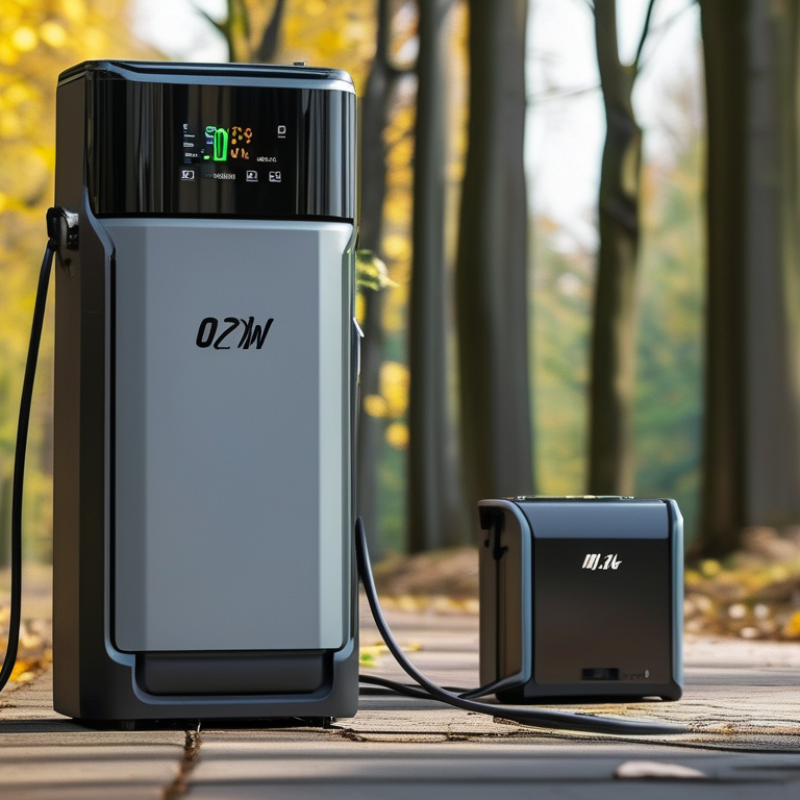
Overview of 20kw Portable EV Chargers and Their Importance
Portable EV chargers with a capacity of 20 kW are becoming essential for electric vehicle (EV) owners. These chargers provide flexibility, allowing users to charge their vehicles almost anywhere. According to a report by the International Energy Agency, global EV sales could reach 30 million units annually by 2030. This surge demands accessible charging solutions, making portable options vital.
The importance of a 20 kW charger lies in its capability to reduce charging time significantly. Standard home chargers typically offer around 7.2 kW, leading to longer wait times for EV owners. A 20 kW charger can deliver up to 60 miles of range in just one hour. This feature is particularly beneficial for users who travel long distances frequently. However, many EV owners still rely on slower charging methods, which can lead to frustration and range anxiety.
While the data is promising, not all portable chargers perform equally. Some models may overheat or struggle with compatibility across different vehicle brands. Therefore, it’s crucial for users to choose chargers that meet safety standards and user needs. This decision-making process requires careful consideration and potential adjustments along the way. Understanding the landscape of portable EV chargers will empower users to make informed choices, ensuring their electric vehicle experience is seamless.
Best 20kw Portable EV Charger for Your Electric Vehicle Needs
| Charger Model |
Charging Speed (kW) |
Compatibility |
Weight (lbs) |
Charging Efficiency (%) |
Price Range ($) |
| Model A |
20 |
Type 1, Type 2 |
30 |
95 |
500 - 700 |
| Model B |
20 |
CCS, CHAdeMO |
25 |
93 |
600 - 800 |
| Model C |
20 |
Type 2, Tesla |
28 |
90 |
550 - 750 |
| Model D |
20 |
CCS |
32 |
92 |
650 - 850 |
| Model E |
20 |
Type 1, CCS |
35 |
94 |
700 - 900 |
Key Features to Look for in a 20kw Portable EV Charger
When selecting a portable 20kw EV charger, several key features stand out. One crucial aspect is charging speed. With a 20kw capacity, these chargers can deliver significant power. They can replenish EV batteries much quicker than lower-capacity options. According to industry reports, a 20kw charger can charge a typical electric vehicle from 0 to 80 percent in around an hour, making them suitable for users who need a fast turnaround.
Another feature to consider is compatibility with various EV models. A high-quality portable charger should work seamlessly with multiple brands. Reports indicate that chargers offering universal compatibility are more valuable to users. Features such as adjustable amperage and multiple connector types further enhance flexibility. Additionally, safety features are essential. A reliable charger should include overcurrent protection, temperature regulation, and surge protection. These elements ensure the longevity of both the charger and the vehicle’s battery.
Moreover, the portability of the charger should not be overlooked. Lightweight design and compact size ease transportation and storage. However, some users have expressed concerns about build quality sacrificing durability for portability. This reflects the ongoing challenge of balancing convenience with robustness in portable charging solutions. Prioritizing these features can lead to improved satisfaction and performance for electric vehicle owners in their quest for reliable charging options.
Top 5 Recommended 20kw Portable EV Chargers for Different Needs
When considering a portable 20kW EV charger, it’s essential to evaluate your specific needs. Whether you live in an urban area or prefer outdoor adventures, the right charger can make a significant difference. Look for features like fast charging capability, lightweight design, and durable materials. These points enhance usability and ensure reliability in varied conditions.
For urban dwellers, lightweight options that fit easily in the trunk are ideal. They should charge quickly and be intuitive to use. For those with adventurous lifestyles, a rugged, weather-resistant charger would be necessary to handle outdoor environments. Some models have built-in safety features to prevent overheating, adding an edge in reliability.
Certain users may seek energy-efficient models to save on electricity costs. An efficient charger can provide a great balance between performance and environmental responsibility. While researching options, consider user reviews. They often reveal insights about performance in real-world scenarios, offering a more comprehensive understanding. This kind of information can guide you in making a more informed choice.
Installation and Usage Guidelines for 20kw Portable EV Chargers
When considering a 20kW portable EV charger, installation and usage play vital roles. Start by selecting a suitable location for the charger. It should be near a power source, preferably in a well-ventilated area. Ensure the surface is stable and can support the equipment. Using a weatherproof enclosure can offer extra protection against the elements.
Before usage, check the electrical capacity of your home. Overloading circuits can lead to hazardous situations. Proper grounding and circuit breakers are crucial for safety. Familiarize yourself with the charger’s user manual. It's essential to understand the indicators and settings. Keep the area around the charger tidy to avoid tripping hazards. Regular maintenance checks can help identify potential issues early.
Adapting to the charger takes time. Some find it challenging to manage charging schedules. Patience is key as you learn to optimize battery life. Experimenting with different settings can reveal what works best for your vehicle. Don’t hesitate to reach out to community forums for tips. Engaging with others can enhance your experience and provide valuable insights.
Safety Considerations When Using Portable EV Chargers
When choosing a portable EV charger, safety must be a priority. According to the Electric Vehicle Charging Association, improper use of chargers can lead to electrical hazards. It's crucial to check the specifications and ensure that they align with your vehicle's requirements.
Overheating is a common concern with portable chargers. Regularly inspect for any signs of wear or damage, as even small frays can lead to short circuits. The National Fire Protection Association reports that most electric vehicle fires stem from faulty charging equipment. Therefore, always use chargers that comply with safety standards.
Ensure proper ventilation during charging. Enclosed spaces can trap heat, increasing the risk of equipment failure. Keep the charger clean and free from debris. This will maintain efficient cooling and reduce the chances of accidents.
Consider investing in chargers with built-in safety features. Features like overload protection and temperature monitoring can prevent accidents. Some reports indicate that chargers equipped with these technologies have significantly lower failure rates. Prioritizing charger safety is essential for a risk-free EV experience.
FAQS
: A 20kw charger can charge an electric vehicle from 0 to 80 percent in about an hour.
Compatibility is crucial. Universal chargers work with various brands, enhancing their value and usability for users.
Look for overcurrent protection, temperature regulation, and surge protection to ensure safety and charge longevity.
Portability allows for easy transportation and storage. However, it can sometimes compromise durability.
Choose a well-ventilated location near a power source. Ensure a stable surface that can support the charger.
Check your home's electrical capacity. Use proper grounding and circuit breakers for safety during usage.
The user manual helps understand settings and indicators, which is essential for safe and effective operation.
Experiment with different settings and engage in community forums for tips and insights.
Regular maintenance checks help identify potential issues. Keeping the area tidy reduces tripping hazards.
Managing schedules can be tricky. Patience is essential as you learn to optimize your battery life.
Conclusion
The "20kw Portable EV Charger" has emerged as a vital solution for electric vehicle owners seeking flexibility and efficiency in charging. These chargers are designed to provide fast charging capabilities, making them ideal for both home use and on-the-go needs. Key features to consider when selecting a 20kw Portable EV Charger include charging speed, compatibility with various EV models, and built-in safety mechanisms to prevent overheating and electrical faults.
When choosing the right charger, it’s essential to understand your specific requirements, whether it be for daily commuting, long road trips, or emergency charging. Additionally, proper installation and usage guidelines should be followed to ensure optimal performance and safety. Given the increasing reliance on electric vehicles, investing in a reliable 20kw Portable EV Charger not only enhances convenience but also supports sustainable transportation practices.