
Best DC Charger for Electric Car What to Look For?

Time:2026-06-18 Author:Oliver
0%

As the popularity of electric vehicles soars, the demand for reliable charging solutions rises. The right DC Charger For Electric Car is crucial for efficiency and convenience. According to a recent industry report, nearly 70% of EV owners prefer fast charging solutions for their vehicles. This reflects the evolving infrastructure and consumer expectations in the automotive market.

Industry expert Dr. Emily Chen states, “Choosing the right DC Charger For Electric Car can significantly reduce charging time and enhance user experience.” Her insights highlight the importance of understanding charging capabilities and compatibility. Most chargers vary in speed and functionality, which can be overwhelming for consumers.

Navigating these options requires careful consideration. Factors such as charging speed, connectivity, and safety features must be assessed. With the DC charging market expanding, not all products meet the same standards. Thus, consumers should reflect on their needs and the long-term benefits. This choice is vital for ensuring satisfaction and efficiency in electric vehicle ownership.
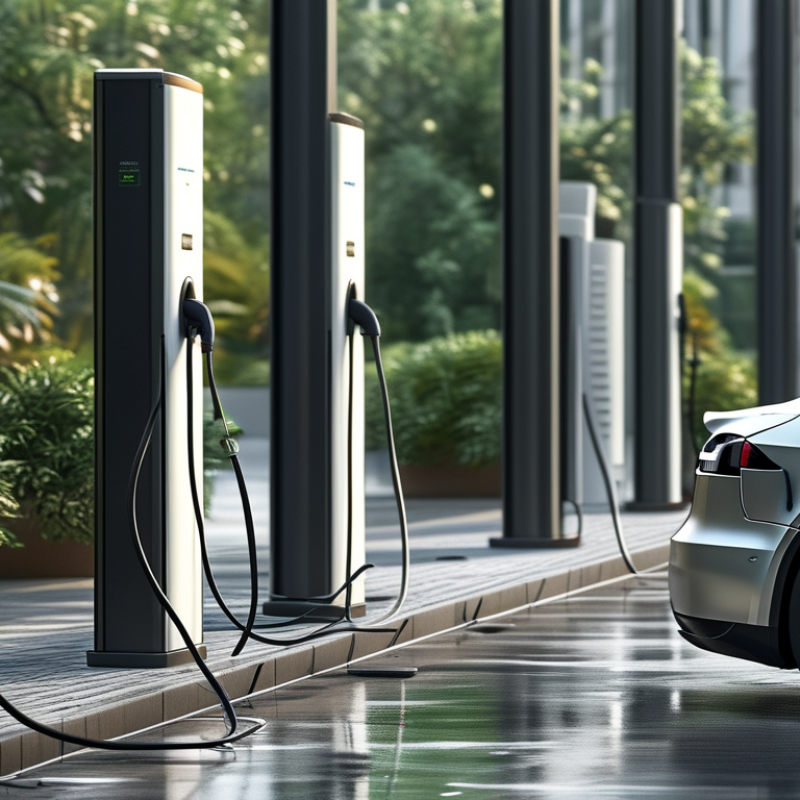
Best DC Charger for Electric Car What to Look For?

Types of DC Chargers Available for Electric Cars

When considering the types of DC chargers available for electric cars, it's critical to understand their features and capabilities. DC fast chargers are the most common, offering rapid charging. They can replenish an electric vehicle's battery up to 80% in just 30 minutes. According to the International Energy Agency, the number of DC chargers globally increased by over 20% in the past year alone, reflecting their rising demand.

Level 3 chargers feature in various configurations. Some operate at 50 kW, while others can reach up to 350 kW, catering to different vehicle needs. A study from the Electric Power Research Institute indicates that over 60% of EV users prefer chargers that provide high-speed options. These chargers are ideal for commercial settings and long-distance travel.

Despite their advantages, not all DC chargers are created equal. Compatibility can vary between different vehicle models, causing frustration for drivers. Ongoing developments in charging technology also present challenges, including the need to adapt to faster battery technologies. As the market evolves, understanding what to look for in a DC charger remains crucial for both consumers and manufacturers.

Key Features to Consider When Choosing a DC Charger

When choosing a DC charger for your electric car, it's essential to consider several key features. One crucial aspect is charging speed. Different chargers offer various kW output levels, affecting how quickly your car can charge. Look for a charger that suits your vehicle's specifications to maximize efficiency.

Another factor is compatibility. Not all chargers work with every electric car model. Ensure the charger you select supports your car's charging protocol. This knowledge will save time and prevent potential frustrations during charging.

Safety features are also paramount. Chargers equipped with overcurrent protection and temperature monitoring will provide a layer of security. Without these features, risks could arise during the charging process.

Finally, assess installation requirements. Some units need more space or specific electrical setups. Keep these details in mind to avoid surprises down the road.

Charging Speed and Efficiency: What You Need to Know

When choosing a DC charger for your electric car, charging speed and efficiency are paramount considerations. The average DC fast charger delivers power ranging from 50 kW to 350 kW. This means that a vehicle can gain about 80% charge in as little as 30 minutes. However, the actual charging time may vary based on the battery's state of charge and environmental factors.

Efficiency is another crucial aspect. Data from industry reports indicate that many chargers operate at around 90% efficiency. This means you could lose approximately 10% of energy during the charging process. Inefficiencies can arise from heat generation or suboptimal connections. Selecting a charger that minimizes these losses can lead to significant energy savings over time.

Charging infrastructure is also evolving. The rise of ultra-fast charging stations is notable, yet few locations offer these high-capacity chargers. This leads to uneven accessibility. Many users may find that even with a fast charger, their vehicle isn’t compatible with higher wattage. Reflecting on these challenges can help consumers make informed decisions that align with their needs. Understanding charging speed and efficiency is vital for maximizing the performance of your electric vehicle.

Compatibility with Electric Vehicle Models and Brands

When selecting the best DC charger for your electric car, compatibility is key. Different electric vehicle models use various charging standards. Not all chargers work with every car. Understanding your car's specifications is crucial. Look into the voltage and connection type that your vehicle supports. Chargers designed for higher capacity can significantly reduce charging time.

Consider the brands too. Some manufacturers have proprietary charging systems. These may not support third-party chargers. Always check your car’s manual or manufacturer website for guidance. Mismatched chargers could lead to damage over time. Users have reported issues when using incompatible chargers. This can be a costly mistake.

For multi-vehicle households, ensure the charger can handle different car models. Some chargers offer adaptable settings for various vehicles. This feature adds flexibility, but may not perform optimally for all models. The importance of researching compatibility cannot be overstated. Don't settle for a charger without doing your homework.

Safety Standards and Certifications for DC Chargers

When choosing a DC charger for electric vehicles, safety standards and certifications play a crucial role. Different regions have established guidelines that DC chargers must meet. These standards ensure that chargers operate safely and efficiently, protecting both users and vehicles. Familiarizing yourself with these requirements is critical for making an informed decision.

One key certification to look for is UL certification. This indicates that the charger has undergone rigorous testing. Chargers with this label are generally more reliable than those without. Another important factor is IP rating, which measures the charger’s resistance to dust and moisture. A higher IP rating is vital for outdoor installations. Users should also consider safety features like overcurrent protection and temperature controls.

However, not all chargers are created equal. Some may claim to meet standards without proper validation. Always verify the certifications before purchase. Regular updates and reviews are essential since standards can evolve rapidly. Safety is not only about meeting initial certifications; ongoing compliance matters too. Taking the time to research equips you with confidence in your choice.

Best DC Charger for Electric Cars: Safety Standards and Certifications

FAQS

: What is the main advantage of DC fast chargers?

: DC fast chargers can recharge an electric vehicle's battery up to 80% in about 30 minutes.

What power levels do Level 3 chargers typically offer?

Level 3 chargers range from 50 kW to 350 kW, catering to different electric vehicle needs.

Why is compatibility important when choosing a DC charger?

Not all chargers work with every vehicle model, so check for support of your car's charging protocol.

What safety features should I look for in a DC charger?

Look for overcurrent protection and temperature monitoring to ensure safer charging processes.

How does charging speed affect my electric vehicle usage?

Charging speed impacts travel time and convenience. Faster chargers mean shorter waits, especially on long trips.

What inefficiencies can occur during charging?

Up to 10% energy loss may occur due to heat generation or poor connections, affecting overall efficiency.

Are ultra-fast charging stations widely accessible?

Not many locations offer ultra-fast chargers. Compatibility issues may also limit their effectiveness for some vehicles.

What should I consider regarding installation requirements for chargers?

Some chargers may require specific electrical setups or additional space, so plan accordingly.

Can charging time vary between different vehicles?

Yes, actual charging time can depend on the battery's current state and environmental factors.

What should I reflect on when choosing a charger?

Consider your vehicle’s needs, charging speed, efficiency, and the potential for compatibility challenges.

Conclusion

When selecting a DC charger for electric cars, it’s essential to understand the various types available, including proprietary and universal options. Key features to consider include charging speed, efficiency, and compatibility with different electric vehicle models. The charging speed is a critical factor, as it determines how quickly an electric car can recharge, making it vital for both convenience and efficiency.

Additionally, ensuring that a DC charger for electric cars meets safety standards and certifications is crucial for the protection of the vehicle and user. By focusing on these aspects, you can make an informed decision that enhances the overall electric vehicle ownership experience while ensuring optimal performance and safety.

Oliver

Oliver

Oliver is a seasoned marketing professional with a wealth of expertise in driving brand awareness and engagement. With a deep understanding of our company's product offerings, he consistently delivers high-quality content that enriches our professional blog. His insights not only shed light on......