
China Best 22kW EV Charging Station Supplier?

Time:2026-10-23 Author:Aria
0%

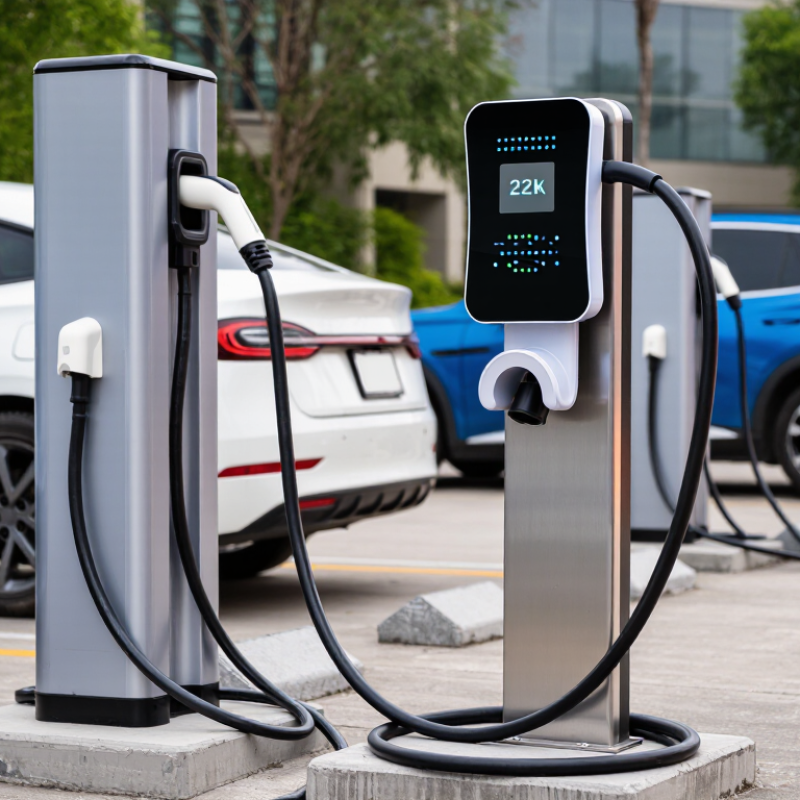
Finding the China Best 22kW EV Charging Station Supplier? sounds simple, but the decision requires more than a low factory quote. A dependable supplier should demonstrate practical experience with residential, commercial, and fleet charging projects. The key product is an Ev Charging Station 22kw, designed to deliver stable AC charging where electrical capacity permits. In real use, cable length, connector type, enclosure protection, and load management affect daily performance. Small details matter.

This introduction will examine manufacturers through engineering evidence, not marketing language. It will consider output stability, three-phase compatibility, OCPP support, app reliability, installation guidance, and maintenance response. Buyers should request test reports, product drawings, protection details, and clear warranty terms. Relevant certifications and conformity documents should match destination-market requirements. A supplier with traceable quality control can explain component selection, assembly checks, and final testing. Ask for references. Inspect the evidence.

Price still matters, but a cheaper unit may create hidden costs through downtime, difficult commissioning, or unavailable spare parts. Experienced sourcing teams should compare total ownership cost and realistic delivery schedules. They should also confirm whether software updates, replacement cables, and technical training are included. No supplier is perfect, and published specifications may not reflect every site condition. That is worth questioning. The strongest candidates welcome factory audits, sample testing, and honest discussion of limitations. By combining verified documentation with field feedback, this guide helps buyers identify a capable Chinese partner for safe, reliable 22kW charging deployment.
China Best 22kW EV Charging Station Supplier?

What Is a 22kW EV Charging Station?

What Is a 22kW EV Charging Station?

A 22kW EV charging station is an AC charger that can deliver up to 22 kilowatts. It commonly uses three-phase electricity at about 400 volts and 32 amps per phase. In practical terms, a compatible 60kWh battery may gain roughly 100 to 120 kilometers of range per hour. Actual results vary.

The vehicle’s onboard charger sets the real charging speed. A car limited to 11kW will not charge at 22kW, even when the station supports it. Charging may also slow when the battery is nearly full. This detail is often overlooked. The International Energy Agency reported over 4 million public charging points worldwide in 2023, with more than 1.3 million added during that year. Such growth increases the need for accurately rated equipment.

A suitable 22kW station should include reliable residual-current protection, temperature monitoring, communication controls, and weather-resistant housing. Installation also requires a qualified electrical assessment. Cable length, connector design, parking duration, and building load all affect usability. Smart load management can prevent a charger from overwhelming a small commercial supply. However, “22kW” alone does not prove better performance. Field testing, standby consumption, fault recovery, and service response deserve equal attention. IEC 61851 provides a widely used framework for conductive charging systems, but compliance should be verified through technical documents and test records.

How to Evaluate China’s 22kW EV Charging Station Suppliers

China Best 22kW EV Charging Station Supplier?

How to Evaluate China’s 22kW EV Charging Station Suppliers

Demand is rising quickly. The International Energy Agency reported more than four million public charging points worldwide by the end of 2023, with growth near 40% that year. This expansion makes supplier screening more important, especially for 22kW AC equipment. Check whether the unit delivers 22kW continuously, using three-phase 32A input. Some vehicles accept less power.

Start with technical evidence, not catalogue language. Request IEC 61851 and IEC 62196 compliance documents, electrical safety test reports, and production inspection records. Review protection against overcurrent, residual current, surge events, overheating, and water ingress. An IP54 enclosure may suit sheltered parking, while outdoor sites often need stronger protection. Test the actual sample.

Software matters too. Confirm OCPP support, remote diagnostics, load balancing, and clear firmware update procedures. The Uptime Institute’s reliability research repeatedly links service continuity with monitoring and maintenance, not hardware alone. Ask for measured efficiency, power factor, operating temperature, warranty terms, and spare-parts availability. A supplier promising 99% uptime should show repair statistics and response records.

One practical mistake is trusting a polished factory video. Visit the production line or arrange an independent pre-shipment inspection. Compare batch consistency, cable temperature, connector fit, and charging performance under repeated loads. A low quotation can be attractive. It may also exclude installation support, software fees, or replacement parts. Evaluate the complete operating cost, not only the purchase price.

Which Technical Features Matter in a 22kW Charger?

Choosing a dependable 22kW EV charging station supplier starts with technical details, not marketing claims. A 22kW unit normally uses three-phase power at 32A, so the site must support suitable wiring and protection. Check whether the charger follows recognized safety standards and provides stable communication with the vehicle. Compatibility matters.

Load management is essential where several vehicles share one electrical service. Dynamic balancing can reduce peak demand and prevent nuisance trips. Look for residual-current protection, including DC leakage detection, thermal monitoring, surge protection, and an emergency stop function. These features protect the vehicle, charger, and building. Small details matter.

Outdoor installations need a strong enclosure, clear cable storage, and reliable operation in heat, rain, and dust. An IP rating helps, but it does not replace proper installation. Remote monitoring through a standard protocol can show charging status, faults, energy use, and maintenance needs. Firmware updates should be controlled and traceable.

A practical supplier should provide wiring diagrams, test reports, warranty terms, and responsive technical support. Ask for real operating data, not only laboratory numbers. More power is not always better. A poorly balanced 22kW charger may create expensive electrical problems. I would still verify local grid capacity, connector temperature limits, and service response before approving a purchase.

What Certifications Should a Chinese Supplier Provide?

China Best 22kW EV Charging Station Supplier?

What Certifications Should a Chinese Supplier Provide?

A dependable Chinese supplier should provide product evidence, not only a decorative “CE certificate.” For a 22kW AC charger, request an EU Declaration of Conformity covering IEC 61851-1 and IEC 62196-2. The file should also address the Low Voltage, EMC, and RoHS requirements when selling into Europe. Ask for reports from an ISO/IEC 17025 accredited laboratory. Check the model number carefully. A report for another enclosure is not enough.

The IEA’s Global EV Outlook 2024 recorded more than four million public charging points worldwide at the end of 2023. Over 2.5 million were added during that year. This growth makes traceable compliance more important, especially for outdoor installations. Look for verified tests covering insulation, temperature rise, leakage protection, communication, and IP rating. A 22kW unit commonly uses three-phase power, so the report should identify voltage, current, frequency, and charging mode clearly.

ISO 9001 can support confidence in factory controls, but it does not prove product safety. That distinction is often missed. In a practical supplier audit, ask for the certificate scope, factory address, expiry date, and surveillance records. Request sample labels, serial-number tracking, and a production test record. I would also inspect one opened unit. Certificates can be genuine, yet assembly quality may still vary. That uncomfortable check matters.

China 22 kW EV Charging Station Supplier: Certification-Relevant Electrical Data

A 22 kW AC charger normally uses a three-phase supply. The chart shows the calculated line current at common three-phase voltages, helping buyers verify whether a supplier’s electrical design, safety testing, and certification documentation are appropriate for the target market.

Calculation: current = 22,000 W ÷ (√3 × line voltage). Request evidence of compliance with applicable requirements such as IEC 61851-1 for conductive charging systems, IEC 62196-2 for AC charging connectors, and IEC 61851-21-2 for electromagnetic compatibility. Market-specific approvals, including CE, UKCA, CCC, or UL/CSA-related documentation, should be confirmed according to the destination country and product configuration.

How to Compare Pricing, Delivery, and After-Sales Support

China Best 22kW EV Charging Station Supplier?

Comparing suppliers requires more than checking the lowest quotation. A reliable 22kW station should include clear specifications, tested protection features, and documented quality controls. Ask whether the quoted price covers the cable, connector, software access, packaging, and spare parts. Hidden exclusions can change the final cost quickly.

Delivery promises need practical detail. Request a production timeline, inspection date, shipping method, and responsibility for damaged goods. My early comparisons focused too heavily on unit price. That was a mistake. A cheaper station is not valuable if replacement parts arrive months later. Confirm installation guidance, user manuals, remote diagnostics, and technical response times before ordering. Ask for recent customer references where possible.

Tips: Compare three written quotations using the same requirements. Check warranty length, coverage, and exclusions carefully. Ask how support handles a failed screen or charging module. Get answers in writing. Keep a small spare-parts budget, even with a strong warranty. A supplier should explain limitations honestly, not promise everything instantly. Test one sample under real conditions before a larger purchase, if your schedule allows.

China Best 22kW EV Charging Station Supplier? - How to Compare Pricing, Delivery, and After-Sales Support
Comparison Dimension Practical Benchmark What to Compare Before Ordering Recommended Evaluation Method
Rated Charging Power 22 kW AC output, normally using a three-phase 400 V supply at approximately 32 A Confirm whether the stated 22 kW is continuous output power and whether the unit automatically supports lower power when connected to a single-phase or limited-capacity supply. Request the electrical specification, maximum input current, efficiency data, and derating conditions.
Connector Configuration Type 2 is widely used for AC charging in Europe and many international markets; other regions may require different connector configurations. Check connector type, cable length, socket or tethered design, cable cross-section, mechanical durability, and local compatibility. Match the connector and electrical configuration with the target vehicles, destination market, and applicable local regulations.
Indicative Unit Price Approximately USD 700–1,800 per unit for many standard 22 kW AC wall-mounted or compact pedestal configurations, excluding installation and taxes. Determine whether the quotation includes the cable, protective devices, display, communication module, load management function, packaging, and documentation. Compare quotations on an identical configuration and request a line-item cost breakdown rather than comparing only the headline price.
Commercial Terms Common international terms may include EXW, FOB, or CIF; payment structures often require a deposit with the balance due before shipment. Review payment milestones, currency, validity period, bank charges, inspection conditions, spare-part pricing, and responsibility for customs clearance. Use the same Incoterm and payment basis for every quotation to create a fair comparison.
Sample Availability Standard models are commonly available faster than customized versions. Ask whether the sample is production-equivalent and whether customized firmware, logo treatment, connector type, or enclosure color will affect the sample lead time. Require a written sample schedule and approve the final sample or technical drawing before mass production.
Production Lead Time Approximately 15–35 calendar days after technical approval and receipt of the agreed deposit for standard configurations. Clarify whether lead time starts after payment, after approval of artwork, or after approval of the pre-production sample. Include a production milestone plan covering component preparation, assembly, testing, packing, and shipment release.
Shipping Preparation Typical preparation may take 3–10 working days after production, depending on inspection, packaging, and export documents. Verify carton dimensions, pallet requirements, gross weight, labeling, export documents, and availability of serial-number records. Request packing photos, a packing list, commercial invoice, and inspection report before dispatch.
Product Protection Outdoor units should normally provide an enclosure rating suitable for outdoor exposure, commonly IP54 or higher depending on design and installation conditions. Check impact resistance, corrosion protection, operating temperature, humidity range, UV resistance, drainage design, and cable storage arrangements. Review test reports and installation instructions; do not rely on the enclosure rating alone.
Safety Functions Typical safety provisions include over-current, over-voltage, residual-current, over-temperature, surge, and emergency-stop protection where applicable. Confirm the residual-current protection method, protective-earth monitoring, automatic recovery behavior, and protection against overheating at the plug and terminals. Ask for the protection-function list, electrical test records, and wiring diagram.
Communication Options Depending on the model, options may include Ethernet, Wi-Fi, cellular communication, RFID access, or an open charging-management protocol. Check whether communication hardware is included, whether software fees apply, and whether the system supports remote monitoring, user management, billing, and firmware updates. Request a live software demonstration or test account and verify data ownership and integration requirements.
Load Management Dynamic load balancing can reduce the risk of exceeding a site's electrical capacity and may be important for multi-charger installations. Determine whether load management is built in, requires an external meter, supports multiple chargers, and can limit current automatically. Request a load-management diagram and test scenario based on the actual site supply capacity.
Compliance Documentation Documentation should correspond to the destination market and the exact model being supplied. Check declarations, safety and EMC test reports, user manuals, installation guides, material information, and traceable model numbers. Validate documents through an independent inspection or conformity review when the project is safety-critical or regulated.
Warranty Coverage A common commercial warranty range is 24–36 months from shipment or commissioning, subject to the contract terms. Review the start date, covered parts, labor responsibility, exclusions, replacement process, shipping costs, and treatment of repaired units. Require the warranty policy in writing and ensure it matches the purchase contract and product serial-number process.
Technical Support Response A well-organized support process should acknowledge normal technical requests within 1 business day and provide a troubleshooting plan promptly. Ask whether support is available by email, phone, ticket system, or video call and whether support engineers can communicate in the buyer's working language. Test the support channel before purchase by submitting technical questions and recording the response quality and speed.
Spare Parts Availability Essential service parts should remain available for several years after the final shipment of a model. Check the availability and price of contactors, control boards, screens, cables, sockets, communication modules, fuses, and protective devices. Request a recommended spare-parts list and a replacement procedure with clear part numbers.
Remote Diagnostics Remote fault codes, event logs, and firmware management can reduce downtime for distributed charging sites. Confirm which faults can be diagnosed remotely, whether customer authorization is required, and how software updates are controlled. Ask for a sample fault report and define data-security and access-permission requirements.
Factory Quality Control Basic quality control should cover incoming components, assembly inspection, electrical safety testing, functional testing, and final visual inspection. Review test equipment, sampling standards, serial-number traceability, burn-in procedures, and the handling of failed units. Use a pre-shipment inspection checklist with measurable acceptance criteria and photographic evidence.
Customization Impact Custom software, housing design, communication features, packaging, or branding can increase both cost and lead time. Identify minimum order quantities, engineering charges, tooling costs, firmware ownership, and whether customized parts can be serviced later. Separate standard and customized requirements in the quotation and approve a detailed specification before production.
Supplier Selection Score Recommended weighting: 30% technical fit, 25% total cost, 20% delivery reliability, 15% after-sales support, 10% documentation and compliance A low unit price should not compensate for missing safety documents, uncertain delivery, weak support, or expensive replacement parts. Score every supplier against the same written criteria and verify the highest-risk items with samples, references, or third-party inspection.
Pricing and lead-time figures are indicative purchasing benchmarks rather than quotations from any specific company. Actual results vary according to configuration, order quantity, destination market, certification requirements, shipping terms, customization, installation conditions, taxes, and exchange rates.

FAQS

What electrical supply does a 22kW charging station usually require?

It normally needs three-phase power at 32A. Confirm the site wiring, protective devices, and available grid capacity. Some vehicles accept less power.

Which documents should a supplier provide?

Request safety compliance documents, electrical test reports, wiring diagrams, and production inspection records. The documents should match the actual model. Catalogue claims are not enough.

What protection features should the charger include?

Check overcurrent, residual-current, surge, overheating, and emergency-stop protection. DC leakage detection is useful. Small details matter during faults.

Is an IP54 enclosure suitable for outdoor installation?

It may suit sheltered parking, but exposed sites often need stronger protection. Rain, dust, heat, and cable storage all affect performance. An IP rating cannot replace proper installation.

What software functions should a supplier support?

Look for an open charging protocol, remote diagnostics, load balancing, and controlled firmware updates. The system should display energy use, faults, and charging status. Clear records help during maintenance.

How can I check whether a supplier’s uptime claim is reliable?

Ask for repair statistics, response records, and measured operating data. A high percentage alone proves little. I would question unsupported promises.

How should the physical sample be tested?

Test repeated charging loads and compare cable temperature, connector fit, and charging stability. Arrange an independent inspection when possible. A polished factory video can mislead.

What costs should be included beyond the purchase price?

Include installation support, software charges, spare parts, maintenance, and replacement work. A low quotation may omit important services. Cheap can become expensive.

How should multiple chargers share one electrical service?

Dynamic load balancing can reduce peak demand and prevent unwanted electrical trips. Confirm the control logic with actual site conditions. A poorly balanced system may create costly problems.

Conclusion

A 22kW EV charging station is a high-power AC charger designed to provide faster charging for compatible electric vehicles in homes, workplaces, commercial parking areas, and public facilities. When selecting a China-based supplier, buyers should evaluate manufacturing experience, product consistency, customization capability, quality control, and communication efficiency. A reliable supplier should clearly explain charging speed, connector options, protection systems, load management, weather resistance, connectivity, and compatibility with different vehicle models. These features determine whether an Ev Charging Station 22kw can operate safely and efficiently in real-world conditions.

Buyers should also request relevant product certifications, test reports, and compliance documentation for their target market. Pricing should be compared together with minimum order quantities, warranty terms, production schedules, packaging, shipping arrangements, and technical support. Strong after-sales service, including troubleshooting guidance, spare parts availability, software assistance, and staff training, can reduce long-term operating costs. The best supplier is not always the one offering the lowest quotation, but the one providing a balanced combination of dependable quality, transparent pricing, timely delivery, and continuous support.

Aria

Aria

Aria is a dedicated marketing professional with a deep passion for innovative strategies and a keen understanding of our company's product offerings. With a wealth of experience in the industry, Aria excels at crafting engaging content that highlights the unique features and benefits of our......