
As the EV market evolves, the demand for reliable charging infrastructure grows. The "EV Charger Station 60kW" represents a significant advancement in this area. Research by the International Energy Agency indicates that electric vehicle sales are projected to reach 30 million by 2026. Consequently, the need for efficient charging solutions has never been more pressing.
Innovations in 60kW charging technology demonstrate enhanced efficiency and lower costs. These stations can charge most electric vehicles in under an hour. According to a report by charged EVs, adopting these systems could reduce the average charging time by about 50%. This rapid development is crucial to accommodate the increase in electric vehicles on the road.
However, challenges remain. Not all regions have the infrastructure to support widespread deployment of EV Charger Stations. Some areas experience grid strain during peak usage. Addressing these issues is vital for ensuring a seamless transition to electric mobility. The future of EV charging appears bright yet requires strategic planning and innovation.
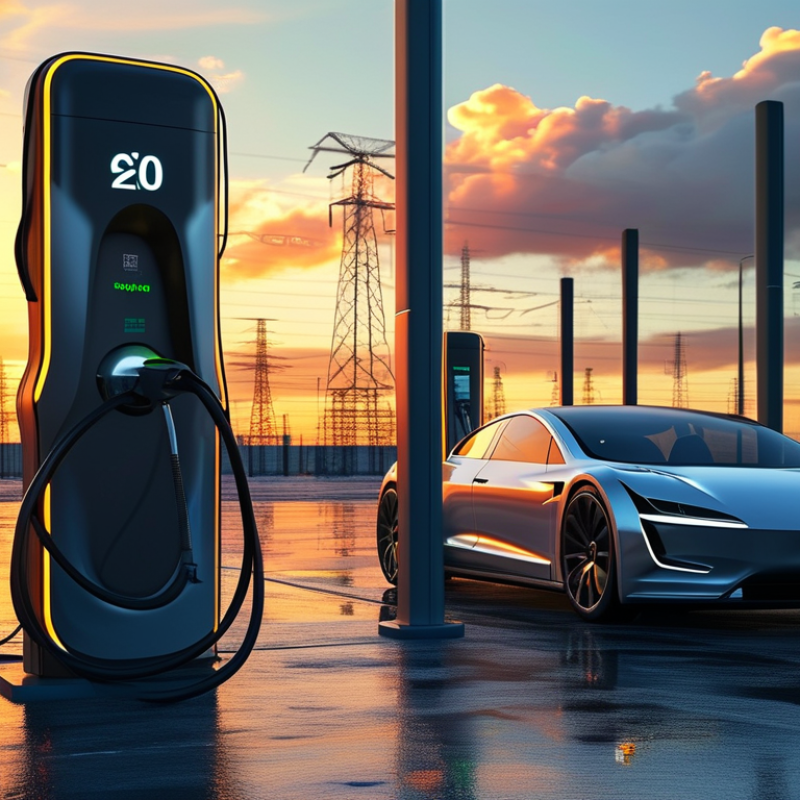
The evolution of 60kW EV charger stations is remarkable. These chargers are designed to rapidly provide electric vehicles with power. Innovations are improving charging efficiency, reducing wait times for users. Advanced cooling systems manage heat better, ensuring safe operation during high-demand periods.
User interface advancements make these stations more accessible. Touchscreen displays offer essential information at a glance. Real-time updates keep drivers informed about charging status. However, some users still encounter technical glitches, leading to frustration. The challenge remains to design interfaces that cater to all demographics.
Connectivity features are also transforming user experiences. Many stations now include smartphone apps. These allow users to locate stations and monitor charging progress. Yet, the inconsistency in app performance raises questions. Continued improvements are necessary to ensure reliability and ease of use for every driver. The transition to sustainable energy requires ongoing innovations in EV charging technology.
| Feature | Description | Benefits | Innovations |
|---|---|---|---|
| Fast Charging | 60kW DC fast charging capability. | Reduces charging time significantly. | Utilizes advanced power electronics for efficiency. |
| Smart Connectivity | Wi-Fi and cellular connectivity features. | Enables remote monitoring and diagnostics. | Integration with smart grid systems. |
| User-Friendly Interface | Touchscreen display for easy navigation. | Enhances user experience during charging. | Customizable user settings and preferences. |
| Sustainability Features | Incorporates renewable energy sources. | Reduces the carbon footprint of EV charging. | Energy storage integration for peak shaving. |
| Payment Solutions | Multiple payment options including mobile apps. | Facilitates easy and fast payments. | Blockchain technology for secure transactions. |
: They provide fast charging, improving efficiency and reducing user wait times.
Innovations like advanced cooling systems and user-friendly interfaces enhance accessibility.
Many charging stations now use smartphone apps for real-time status and location tracking.
Users may face technical glitches and compatibility issues, which can lead to frustration.
Understanding local networks helps maximize charging potential and minimize downtime.
Enhanced connectivity through apps fosters convenience and supports the growth of EV adoption.
Significant investments are needed, and areas with less infrastructure may struggle to keep up.
Promising innovations will improve charging speed and user experiences, but scaling poses challenges.
Balancing convenience with environmental considerations is essential for long-term growth.
Download relevant apps to find charging stations and save time on trips.
The article explores the innovations and benefits of the EV Charger Station 60kW, highlighting key technological advancements that enhance charging efficiency and accessibility. With the rise of electric vehicles, these stations are designed to cater to increased demand, offering rapid charging solutions that reduce wait times for users.
Moreover, the environmental and economic benefits of the EV Charger Station 60kW are significant, promoting the shift towards sustainable energy and reducing carbon footprints. Enhanced user experiences are also noted, with intuitive interfaces and improved payment systems, making the charging process more user-friendly. Looking ahead, the article discusses future trends in the development of charging infrastructure, suggesting a growing integration of smart technologies that will further streamline and optimize EV charging networks.
