
As electric vehicles (EVs) gain popularity, the demand for efficient charging solutions rises. One key player in this space is the Wallbox EV Charger Station. This innovative technology caters to global buyers seeking sustainable charging options.
Challenges arise in selecting the right charger. Various factors, such as power output and compatibility, must be considered. Buyers often feel overwhelmed by the multitude of choices available. Understanding their specific needs can greatly enhance the purchasing experience.
The Wallbox EV Charger Station stands out with its sleek design and advanced features. However, not every model suits every consumer. A thoughtful approach is essential in making the best choice. Brands must prioritize user feedback and performance reliability. The best selection is one that aligns with individual preferences and environmental concerns.
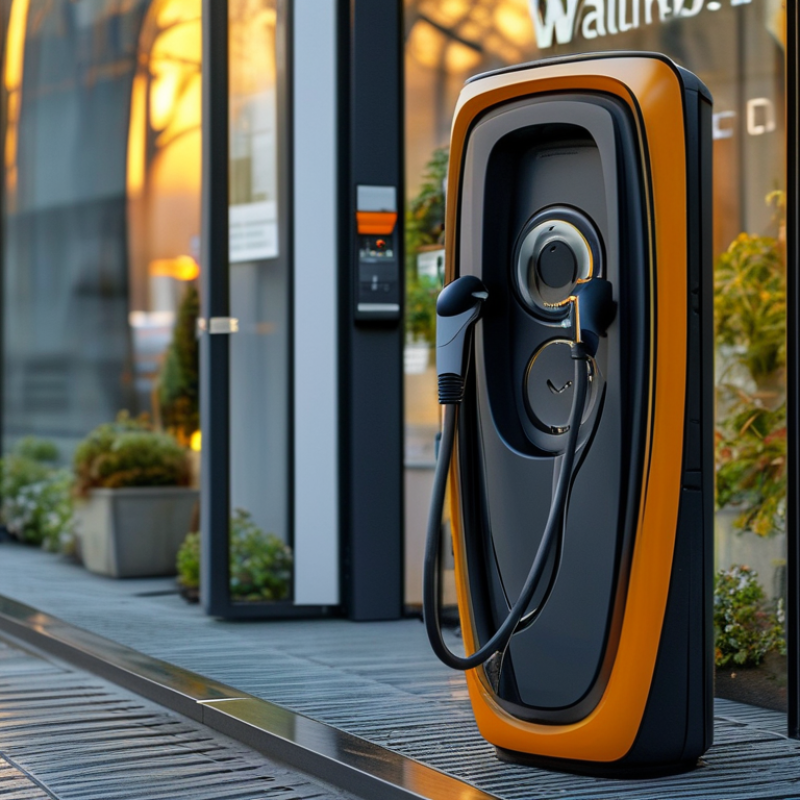
A Wallbox EV charger station is an essential component in the growing electric vehicle (EV) market. These stations allow EV owners to charge their vehicles conveniently at home or in public areas. According to the International Energy Agency (IEA), the global electric car stock surpassed 10 million vehicles in 2020, with projections to reach 145 million by 2030. This trend underscores the increasing demand for efficient charging infrastructure.
Wallbox chargers vary in terms of power output and features. They typically range from Level 1 chargers, which use standard home outlets, to Level 2 chargers, offering faster charging times. Research from Statista indicates that the global market for EV chargers is set to grow to $50 billion by 2025. However, challenges remain. Many consumers express concerns over charging speed and compatibility with their vehicles, suggesting a need for standardization across different EV models.
The installation process for these chargers can also be a hurdle. Homeowners may face electrical upgrades or additional costs. Recently, analysts have suggested that over 60% of potential EV buyers consider installation expenses when opting for home charging solutions. This makes understanding Wallbox EV charger stations vital for potential purchasers. More education and resources are needed to address these barriers effectively.
: A Wallbox EV charger station allows electric vehicle owners to charge their cars at home or public areas.
Wallbox chargers range from Level 1, using standard outlets, to Level 2, which offers faster charging times.
Charging speed depends on the charger’s wattage. Higher wattage can significantly reduce charging time.
Not all chargers support every electric vehicle model. Ensuring compatibility is essential to avoid future issues.
Some chargers may require professional installation, while others can be set up DIY. Evaluate your skills.
Many buyers worry about charging speed and compatibility, highlighting the need for standardization in the market.
Over 60% of potential buyers consider installation expenses before choosing a home charging solution, impacting budgets.
Many modern chargers offer adjustable power settings to cater to different vehicle needs and reduce costs.
More education about installation, features, and compatibility is needed to help consumers make informed choices.
Reflecting on charging needs and installation details can prevent future inconveniences and unexpected expenses.
The article titled "2026 Best Wallbox EV Charger Station for Global Buyers?" provides a comprehensive overview of Wallbox EV Charger Stations, elaborating on their definition and significance in the growing EV market. It emphasizes essential features that consumers should consider when selecting a charger, including charging speed, compatibility with various electric vehicles, and smart technology integration.
Additionally, the article compares top Wallbox EV Charger models for 2026, highlighting their unique attributes and performance metrics. It also discusses crucial installation requirements and considerations to ensure optimal functionality. Finally, the piece touches on emerging trends in Wallbox EV charging technology, forecasting innovations that will enhance user experience and efficiency in the coming years. This detailed exploration serves as a valuable resource for prospective buyers looking to navigate the evolving landscape of electric vehicle charging solutions.
