
The rise of electric vehicles (EVs) has spurred a significant demand for EV charging stations. A recent report by the International Energy Agency noted that global EV sales surged by 43% in 2020. This growth indicates a strong shift towards sustainable transport solutions, and as a result, the infrastructure for charging must expand rapidly. Research shows that by 2030, the number of EV charging stations should increase to accommodate over 300 million electric vehicles worldwide.
Experts underline the importance of having accessible and reliable EV charging stations for electric vehicles. According to Dr. Emily Roberts, a leading figure in the EV charging industry, “The availability of charging stations is crucial for consumer confidence in electric vehicles.” Her insights remind us that while technology advances, challenges remain. Current installations do not always meet the anticipated demand, leading to charging shortages in key areas.
As we explore the best EV charging stations for electric vehicles in 2026, it’s essential to recognize that the landscape is still evolving. Users often report difficulties in finding available chargers. Stakeholders must work towards enhancing this network, ensuring it supports the growing number of EV owners. Addressing infrastructure gaps will play a pivotal role in shaping the electric vehicle market's future.
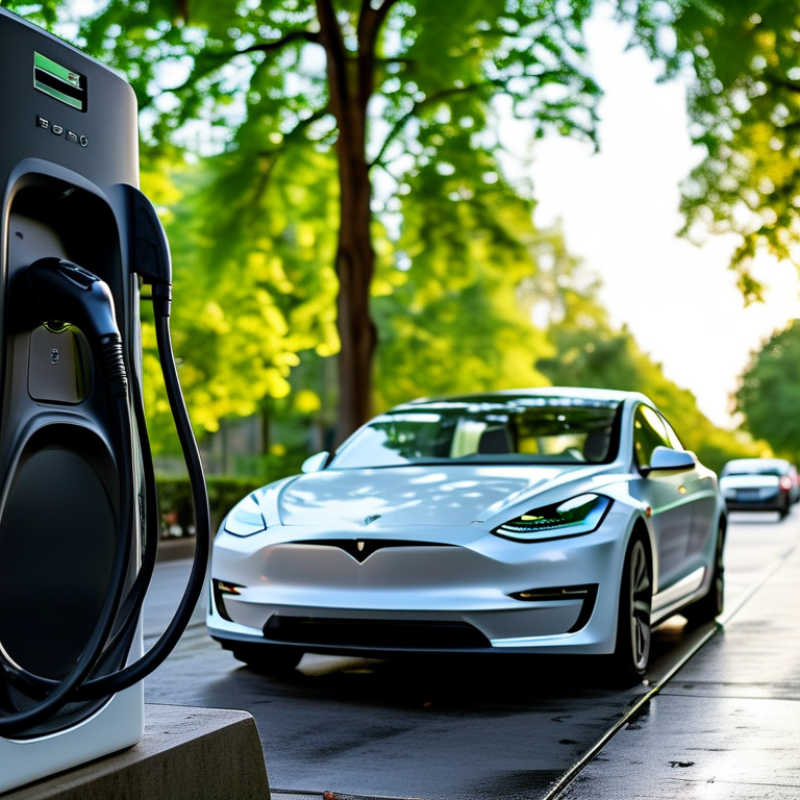
As we look ahead to 2026, the landscape of EV charging stations is evolving. The need for efficient charging solutions has never been more pressing. Urban areas are seeing a surge in charging locations, often placed strategically near popular destinations. This gives EV users more convenience. However, not all charging stations are created equal. Some may experience high demand, leading to long wait times.
Technology advancements play a critical role. Faster charging options are becoming standard. This means that many stations can fully charge a vehicle in under an hour. Yet, the deployment of these advanced stations remains uneven. Some regions still rely on slower chargers, creating frustration for drivers.
User experience at charging stations is another aspect needing attention. Bright lighting and clear signage can enhance safety and accessibility. Clean facilities are vital too, as they reflect a commitment to user comfort. Yet, some stations fall short in these basic areas, which can discourage EV adoption. Stakeholders must address these issues to embrace a sustainable future for electric vehicles.
Electric vehicles (EVs) require specific types of chargers to ensure optimal performance. The main types of EV chargers include Level 1, Level 2, and DC Fast Chargers. Level 1 chargers use a standard 120-volt outlet and are suitable for home use. They take a longer time to charge, often requiring overnight charging for a full battery.
Level 2 chargers operate on a 240-volt outlet and are more efficient. They can charge an EV in about 4 to 8 hours, making them ideal for residential and public locations. According to the U.S. Department of Energy, these chargers account for nearly 80% of all public charging stations, highlighting their popularity and importance in everyday use.
DC Fast Chargers are designed for quick charging. They can deliver 60 to 80 miles of range in about 20 minutes. This makes them beneficial for long-distance travel. However, they require specialized equipment and infrastructure. This can limit accessibility in certain areas. A study published by the International Energy Agency noted that the expansion of DC Fast Chargers is crucial for the growth of EV adoption. As the EV market evolves, the variety of charging options will play a major role in consumer choices and infrastructure planning.
When considering purchasing EV charging stations, location is crucial. Key areas to explore include retail centers, workplaces, and public parking facilities. These sites typically see higher foot traffic, making them ideal for attracting users who need to charge while they shop or work.
Tips: Always assess the local demand for charging. It's vital to understand how many EVs are already in your area. This can influence your decision on where to install. Additionally, consider the accessibility of the location. Charging stations should be easy to find and reach.
Another promising option includes residential areas. Homeowners increasingly seek ways to charge electric vehicles at home. Installing charging stations in neighborhoods can cater to this demand. Collaborate with local associations to identify ideal spots.
Tips: Engage with your community. Hosting informational sessions can help gauge interest levels. This builds trust and helps refine location choices based on real feedback. Remember, each location may present unique challenges. Reflect on what works best for your project’s objectives.
Choosing the right EV charger is essential for all electric vehicle owners. First, consider the charging speed. Levels vary significantly. A Level 1 charger is slower, suitable for home use. A Level 2 charger offers faster charging, ideal for regular commuters. Think about your daily mileage. A quick charger may suit high-mileage drivers.
Next, check compatibility. Not all chargers work with every electric vehicle. Ensure the charger fits your vehicle's specifications. This knowledge will save time and money. Don't overlook the installation process. Some chargers require professional setup, which can increase costs. Research local electricians who specialize in EV chargers.
Pricing is another important factor. While it's tempting to go for the cheapest option, reliability matters. A lower-priced model may lead to higher maintenance costs down the line. Some chargers come with warranties. That can provide peace of mind. Also, explore available incentives. Many regions offer rebates for home charger installations. Understanding these factors will lead you to a more informed choice.
The future of EV charging technology is evolving rapidly. According to a recent industry report, the global EV charging market is expected to surpass $50 billion by 2026. This growth drives demand for innovative charging solutions. Fast-charging stations are becoming more prevalent, reducing the wait time for users. A typical fast charger can provide up to 80% battery in around 30 minutes.
Infrastructure is also crucial. Many cities are expanding their charging networks. However, access to charging stations remains inconsistent. Urban areas typically have more options than rural ones. This discrepancy highlights a barrier to widespread EV adoption. Federal and state initiatives can bridge this gap, promoting investments in underserved regions.
Wireless charging is emerging as a game-changer. This technology allows drivers to charge without plugging in. However, it is still in the early stages of development. Concerns about cost and efficiency remain. Overcoming these challenges will be essential for future success. Industry experts emphasize the need for collaboration to enhance reliability and accessibility in charging infrastructures.
| Location | Charging Type | Power Output (kW) | Availability | Payment Options |
|---|---|---|---|---|
| Downtown Area | Fast Charging | 150 | 24/7 | Credit Card, App |
| Shopping Mall | Level 2 Charging | 7.2 | 10 AM - 10 PM | Membership, App |
| Highway Rest Area | DC Fast Charging | 350 | 24/7 | Credit Card, App |
| University Campus | Level 2 Charging | 6.6 | 8 AM - 8 PM | Campus ID, App |
| Airport Parking | Fast Charging | 100 | 24/7 | Credit Card, App |
: The main types are Level 1, Level 2, and DC Fast Chargers. Each has unique charging speeds.
A Level 1 charger uses a standard 120-volt outlet. It is suitable for home use and charges slowly.
A Level 2 charger can charge an EV in about 4 to 8 hours. It is more efficient than Level 1.
DC Fast Chargers deliver significant range quickly, around 60 to 80 miles in about 20 minutes. They are ideal for long trips.
Retail centers, workplaces, and public parking facilities are ideal. Higher foot traffic increases usage opportunities.
Understanding local EV ownership helps assess installation needs. Accessibility also influences user experience and location choice.
Consider charging speed, compatibility, and installation needs. This knowledge saves time, money, and ensures convenience.
No, reliability and warranty matter too. Cheaper models may lead to higher maintenance costs later.
Host informational sessions to gather feedback. This builds trust and helps refine your choices based on real needs.
As we look toward 2026, the landscape of EV charging stations for electric vehicles is evolving rapidly. This article provides an overview of various types of EV chargers available, highlighting their specifications and features. For those interested in purchasing EV charging stations, it outlines the top locations where these stations can be bought, ensuring that consumers have access to the latest technology.
When selecting an EV charger, several factors must be considered, including charging speed, installation requirements, and compatibility with different electric vehicles. Additionally, the article discusses future trends in EV charging technology and infrastructure, providing insights into how advancements may shape the experience for electric vehicle owners. With these insights, readers can make informed decisions when it comes to EV charging stations for electric vehicles, paving the way for a more sustainable transportation future.
