
2026 Best EV Charging Station Car Charger Solutions for You?

Time:2026-06-22 Author:Amelia
0%

As the electric vehicle (EV) market continues to grow, the importance of reliable EV charging station car chargers cannot be overstated. In 2022, the global EV charger market was valued at approximately $12 billion and is expected to grow significantly, driven by the increasing adoption of electric vehicles. According to a recent report by BloombergNEF, EV sales may reach 10 million units annually by 2025, emphasizing the urgent need for efficient charging solutions.

However, several challenges remain in this expanding landscape. For instance, a 2023 study revealed that over 25% of EV owners experience anxiety regarding the availability of charging stations. This concern highlights the need for strategic development in charging infrastructure. Diverse EV charging station car charger solutions must cater to different vehicle types and consumer requirements, ensuring accessibility and convenience for users.

Furthermore, while many charging stations are being established, their functionality and compatibility with various EV models often vary. This disparity can lead to frustrations among drivers. As we explore the best solutions for 2026, a comprehensive understanding of the current trends and user experiences will be crucial for effective planning in the EV charging sector. The effectiveness and reliability of EV charging station car chargers will play a vital role in shaping the future of sustainable transportation.
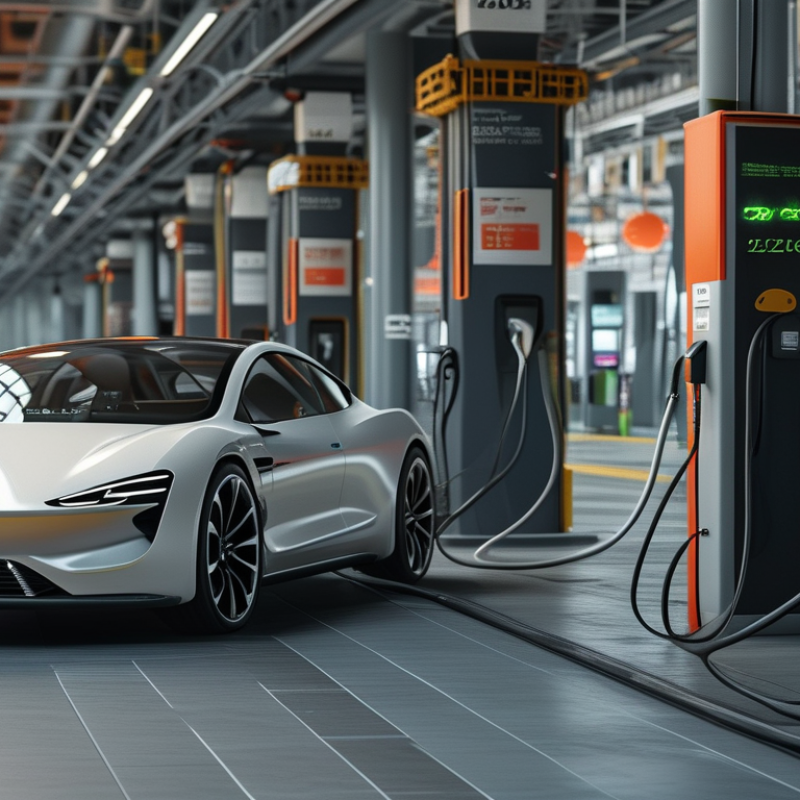
2026 Best EV Charging Station Car Charger Solutions for You?

Understanding the Importance of EV Charging Stations for Electric Vehicles

The adoption of electric vehicles (EVs) is growing rapidly. With this trend, understanding the importance of EV charging stations becomes crucial. Charging stations are not just a convenience; they are a necessity for EV owners. Proper infrastructure supports long-distance travel and daily commuting. Imagine a scenario where you are stranded without a charging option. Frustrating, right?

Reliable charging stations provide peace of mind. They need to be accessible and widely distributed. The location of charging stations matters significantly. Major highways and urban centers must have adequate options. This is essential for reducing range anxiety. However, not all charging stations are equal. Some may offer slower charging speeds, making the experience less convenient. Users often report varying performance levels, raising concerns about reliability.

Quality and availability are vital in this evolution. Stakeholders must work together to enhance the network of EV chargers. This includes local governments, businesses, and communities. Every charging station should be monitored for performance. Regular checks ensure they function effectively. The journey toward a sustainable future requires commitment and ongoing improvements to the infrastructure supporting it.

Types of EV Charging Solutions Available in 2026

In 2026, the electric vehicle (EV) landscape is evolving rapidly. Various charging solutions cater to diverse needs and preferences. Understanding these options is essential for every EV user.

Level 2 chargers are the most common solution. They offer faster charging than standard outlets, typically providing about 25 miles of range per hour. Public charging stations often feature these. According to a recent industry report, there are now over 100,000 public Level 2 chargers across the U.S. However, accessibility remains a concern. Not every region has equal coverage.

DC fast chargers, while less common, have gained traction. These chargers can deliver up to 80% charge in just 30 minutes. Their installation is often limited to highway locations. This creates bottlenecks for long-distance travel. Moreover, many EV owners express frustration over charging costs at highways compared to home charging. As charging technology evolves, the industry must address these disparities. Understanding these nuances can greatly enhance your charging experience.

Key Features to Consider in Car Charger Solutions

When choosing an EV charging station, several key features can enhance your experience. First, consider the charging speed. Look for solutions that offer fast charging capabilities. These can significantly reduce wait times. It's essential to match your charging needs with your daily schedule.

Another important aspect is compatibility. Ensure the charger you choose is compatible with your car model. Not all chargers work with every vehicle. This can lead to frustration and wasted time. It’s wise to verify specifications before making a purchase.

Tips: Check for user reviews. They provide insights into real-life performance. Pay attention to installation requirements too. Complex setups can lead to added costs. Ultimately, prioritize solutions that fit seamlessly into your lifestyle. Charging stations should empower your journey, not complicate it.

2026 Best EV Charging Station Car Charger Solutions for You

Charger Type Charging Speed Compatibility Portability Smart Features Price Range
Level 1 Charger 4-5 miles/hour Universal Highly Portable No $300 - $600
Level 2 Charger 10-60 miles/hour Most EVs Stationary Yes $500 - $1,500
DC Fast Charger 60-80 miles/30 minutes Select EVs Stationary Yes $10,000 - $40,000
Wireless Charger N/A Specific Models Stationary Yes $1,000 - $3,000

Top 2026 EV Charging Station Brands and Their Offerings

As we approach 2026, the electric vehicle (EV) market continues to evolve. Charging station solutions have improved significantly, offering users diverse options tailored to various needs. From rapid charging stations placed along highways to home-based solutions, there's something for everyone. It's essential to choose a charging solution that complements your driving patterns and lifestyle.

Top EV charging brands are innovating to enhance user experience. Some focus on ultra-fast chargers, claiming to fully charge vehicles within 15 to 30 minutes. Others concentrate on smart charging technology. They provide mobile apps for real-time charging status and transaction history. While many brands tout their reliability, users often express concerns about accessibility and compatibility with different EV models. This highlights the necessity for research before making a choice.

Potential buyers should consider factors like installation ease and service network support. Many companies offer services like remote troubleshooting and maintenance. However, some users report inconsistencies in service quality. It’s crucial to read reviews and gather experiences from current users. Evaluating these details can greatly influence your charging solution decision in the coming years.

Future Trends in EV Charging Infrastructure and Technology

The future of electric vehicle (EV) charging infrastructure is rapidly evolving. According to the International Energy Agency, the global number of public charging points is expected to reach 6 million by 2025. This growth indicates a strong commitment to EV adoption. Yet, challenges remain. A recent survey revealed that nearly 40% of EV users report issues with charging availability. This frustration may hinder the transition to electric mobility.

Technological advancements are crucial for the future of EV charging. Wireless charging technology is emerging, with trials showing promise for easier user experiences. The development of ultra-fast chargers can reduce charging times significantly. According to a report from BloombergNEF, incorporating 350 kW charging stations could cut the typical charging time to under 15 minutes. However, infrastructure investment is critical. The U.S. alone requires an estimated $20 billion to meet its EV charging needs by 2030.

Sustainability remains a concern. The energy mix for charging stations must become greener. Current dependence on fossil fuels for electricity limits environmental benefits. Studies indicate that enhancing grid capacity with renewable sources can lead to a 60% reduction in emissions from charging. Addressing these disparities is essential for a lasting impact on reducing carbon footprints and ensuring the growth of the EV market.

FAQS

: Why are EV charging stations essential for electric vehicle owners?

: They provide necessary support for long-distance travel and daily commutes, preventing frustrating situations if stranded.

What factors should be considered when locating charging stations?

Locations should ensure accessibility on major highways and urban centers to reduce range anxiety for users.

Are all charging stations the same?

No, some have slower charging speeds and varying performance levels, leading to reliability concerns among users.

How do stakeholders contribute to the EV charging network?

Local governments, businesses, and communities must collaborate to improve the quality and availability of charging stations.

What advancements are being made in EV charging technology?

Wireless charging and ultra-fast chargers are being developed, aiding in user convenience and reducing charging times significantly.

What major challenge does the EV charging infrastructure face?

Nearly 40% of users report issues with charging availability, which can hinder the adoption of electric vehicles.

Why is sustainability important for EV charging stations?

Greener energy mixes can reduce emissions, ensuring the environmental benefits of EVs are maximized, not compromised.

How much investment is needed to improve EV charging infrastructure by 2030 in the U.S.?

Around $20 billion is estimated to be required to meet future EV charging needs effectively.

What can reduce the environmental impact of EV charging?

Incorporating renewable energy sources can achieve a notable reduction in emissions from charging operations.

What is a potential drawback of current EV charging options?

Users may experience frustration due to inconsistent availability and performance of charging stations in certain areas.

Conclusion

The article titled "2026 Best EV Charging Station Car Charger Solutions for You?" explores the essential role that EV charging stations play in the growing electric vehicle market. It emphasizes the various types of EV charging solutions anticipated in 2026, catering to different user needs and energy demands. Key features to consider when selecting an EV Charging Station Car Charger include charging speed, connectivity options, and compatibility with various vehicle models.

Additionally, the piece discusses leading brands in the EV charging station industry, highlighting their offerings without naming specific brands. Finally, the article delves into future trends in EV charging infrastructure and technology, showcasing advancements that could shape the way we charge electric vehicles, ensuring convenience and efficiency for users.

Amelia

Amelia

Amelia is a seasoned marketing professional with a wealth of expertise in our company’s core offerings. With an unwavering passion for driving growth and innovation, she plays a pivotal role in shaping our marketing strategies and enhancing brand visibility. A key aspect of her responsibilities......